

What Is the Ischial Bursa?
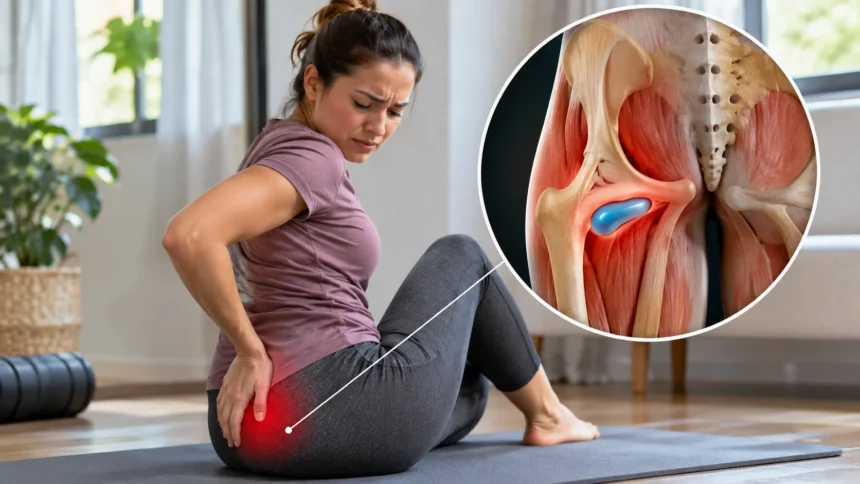
The ischial bursa is a small, fluid-filled sac located near the sitting bones at the bottom of the pelvis. It helps reduce friction between nearby tissues, including tendons, muscles, and bone. This protective structure plays an important role in comfortable movement and sitting. However, irritation or inflammation of the bursa can lead to pain around the lower buttock.
The condition involving inflammation of this structure is called ischial bursitis, sometimes known as ischiogluteal bursitis or weaver’s bottom. It can develop when repeated pressure or friction affects the area surrounding the sitting bone. People experiencing this condition may notice discomfort while sitting or performing certain physical activities. The symptoms can sometimes resemble other causes of hip or buttock pain.
Understanding the ischial bursa can help you recognize possible causes of discomfort and make informed decisions about treatment. This guide explains its anatomy, common symptoms, risk factors, and diagnostic methods. It also explores practical management strategies and prevention tips. Learning about these details can support better daily movement habits and help you recognize when medical evaluation is necessary.
Where Is the Ischial Bursa Located?
The ischial bursa sits near the ischial tuberosity, a prominent bony area at the bottom of the pelvis. These structures are commonly called the sitting bones because they support much of your body weight while seated. The bursa lies between the ischial tuberosity and nearby soft tissues. Its position allows it to reduce friction during movement.
The hamstring muscles attach to the ischial tuberosity through tendons that help control hip and knee movements. The ischial bursa lies close to these important structures, making the region sensitive to repeated pressure and mechanical stress. When surrounding tissues become irritated, pain may develop near the lower buttock. This discomfort can sometimes spread toward the upper thigh.
You may notice pressure around the sitting bones when seated on a hard chair or bench. These bony areas naturally experience contact with supporting surfaces during sitting. Normally, nearby soft tissues help accommodate movement and pressure. However, prolonged compression or repetitive friction can irritate the bursa and surrounding structures, especially when recovery time is limited.
What Does the Ischial Bursa Do?
The primary function of the ischial bursa is to reduce friction between the ischial tuberosity and surrounding soft tissues. Like other bursae throughout the body, it contains a small amount of lubricating fluid. This fluid allows nearby structures to move more smoothly against one another. As a result, the bursa helps protect tissues during normal movement.
The ischial region experiences mechanical demands during sitting, walking, bending, and certain exercises. Although the bursa does not directly produce movement, it supports comfortable motion by limiting friction. Nearby muscles and tendons perform most of the mechanical work. The bursa acts as a protective structure that helps these tissues move without excessive rubbing against bone.
Healthy bursae are usually small and do not cause noticeable symptoms. Problems may develop when repeated mechanical stress irritates their lining and surrounding tissues. Inflammation can make the area more sensitive to pressure and movement. Understanding this protective role explains why irritated bursae may become painful during activities that were previously comfortable.
What Causes Ischial Bursa Inflammation?
Ischial bursitis often develops because of repeated pressure on the sitting bones. Sitting for extended periods, especially on hard surfaces, can increase stress around the bursa. Over time, this pressure may contribute to irritation and inflammation. The condition has historically been associated with occupations requiring prolonged sitting and repeated contact with firm surfaces.
Repetitive physical activities may also contribute to ischial bursa irritation. Running, cycling, rowing, and movements involving repeated hip motion can place stress on the surrounding tissues. However, discomfort in this area is not always caused by bursitis. Hamstring tendon problems and other musculoskeletal conditions can produce similar symptoms, making proper assessment important.
Less commonly, a direct fall or injury may irritate the bursa and nearby soft tissues. Certain inflammatory conditions can also increase the likelihood of bursitis in different parts of the body. Infection is another possible but uncommon cause that requires medical attention. Identifying the underlying reason for inflammation helps guide appropriate treatment and reduces the risk of repeated irritation.
Common Symptoms of Ischial Bursitis
The most common symptom of ischial bursitis is localized pain in the lower buttock near the sitting bone. This discomfort may feel dull, aching, or tender when pressure is applied to the affected area. Sitting on a hard surface often makes symptoms more noticeable. In some cases, the discomfort improves temporarily when standing or changing position.
Pain may also occur during activities involving the hip and hamstring muscles. Walking uphill, running, bending forward, or performing certain stretches can sometimes increase discomfort. Some people notice tenderness when pressing directly over the ischial tuberosity. However, these symptoms overlap with several other conditions, so their presence alone does not confirm bursitis.
Occasionally, inflammation may cause noticeable swelling or warmth around the affected region, although the bursa is relatively deep. Persistent pain can interfere with work, exercise, and daily routines. Symptoms may develop gradually or appear after a specific injury. Severe pain, fever, marked redness, or rapidly worsening swelling should prompt timely medical evaluation because infection or another condition may be involved.
How Is Ischial Bursitis Diagnosed?
Diagnosing ischial bursitis usually begins with a medical history and physical examination. A healthcare professional may ask when the pain started, which activities make it worse, and whether an injury occurred. They may also examine the buttock and hip region for tenderness. This information helps distinguish bursitis from other possible sources of pain.
During the examination, a clinician may assess hip movement, hamstring flexibility, muscle strength, and nearby nerve function. Pain around the sitting bone can result from hamstring tendinopathy, referred spinal pain, or other musculoskeletal conditions. Therefore, examining surrounding structures is important. A diagnosis should consider the full pattern of symptoms rather than relying on tenderness alone.
Imaging tests are not always necessary, especially when symptoms and examination findings strongly suggest a particular condition. However, ultrasound or magnetic resonance imaging may be considered when the diagnosis remains uncertain or symptoms persist. These tests can help evaluate the bursa and nearby soft tissues. If infection is suspected, additional testing or fluid sampling may be required.
Ischial Bursitis vs. Hamstring Tendinopathy
Ischial bursitis and proximal hamstring tendinopathy can both cause pain near the sitting bones. However, they affect different structures. Ischial bursitis involves irritation of the fluid-filled bursa, while hamstring tendinopathy affects the tendons connecting the hamstring muscles to the pelvis. Because these structures are close together, symptoms can be difficult to distinguish without examination.
Both conditions may cause discomfort during sitting, running, or bending forward. Hamstring tendinopathy is often associated with pain during activities that load the hamstring tendons, such as sprinting or resisted knee flexion. Ischial bursitis may be particularly sensitive to direct pressure. Nevertheless, neither symptom pattern is sufficiently specific to establish a diagnosis by itself.
Treatment approaches can also differ depending on which tissues are involved. Tendon rehabilitation often includes carefully progressed strengthening exercises, while bursitis management commonly emphasizes reducing compression and irritation. Some individuals may have more than one contributing condition. A qualified healthcare professional can help identify the main source of discomfort and recommend an appropriate recovery plan.
Ischial Bursitis vs. Hamstring Tendinopathy: Key Differences
| Feature | Ischial bursitis | Hamstring tendinopathy |
|---|---|---|
| Main structure | Fluid-filled bursa | Proximal hamstring tendon |
| Pain location | Lower buttock near sitting bone | Lower buttock near tendon attachment |
| Common trigger | Direct sitting pressure | Hamstring loading and prolonged sitting |
| Typical tenderness | Around the bursa | Around the tendon attachment |
| Diagnosis | Clinical assessment, sometimes imaging | Clinical assessment, sometimes imaging |
| Management focus | Reduce irritation and compression | Progressive tendon rehabilitation |
How to Relieve Ischial Bursa Pain at Home
Reducing pressure on the affected sitting bone is often an important first step in managing suspected ischial bursitis. Avoid sitting for long periods on hard surfaces when possible. A supportive cushion may help distribute pressure more comfortably. Taking regular movement breaks can also reduce continuous compression without requiring complete avoidance of everyday activities.
Cold therapy may provide temporary relief when the area feels painful or irritated. Apply a cold pack wrapped in a towel for approximately 10 to 15 minutes, avoiding direct contact with the skin. Some people find that gentle movement is more comfortable than prolonged inactivity. However, activities that consistently increase pain should be modified until symptoms become more manageable.
Over-the-counter pain medications may sometimes help, but they are not appropriate for everyone. Anti-inflammatory medicines can have side effects and may be unsuitable for people with certain medical conditions or medication interactions. Ask a healthcare professional or pharmacist before using them, particularly if you are under 18. Persistent or worsening symptoms should be evaluated rather than repeatedly managed with home remedies.
Exercises and Stretches for Ischial Bursa Recovery
Gentle movement may help maintain flexibility and prevent unnecessary stiffness during recovery from ischial bursitis. However, exercises should be selected according to the underlying diagnosis and current symptoms. Aggressive hamstring stretching can sometimes aggravate discomfort near the sitting bone. Therefore, rehabilitation should prioritize comfortable movement rather than forcing painful stretches.
A physical therapist may recommend controlled hip movements, gentle strengthening, or exercises targeting the gluteal muscles. These activities can help improve movement tolerance and support the surrounding structures. The intensity and range of movement should be adjusted to avoid increased symptoms. If an exercise produces sharp pain or prolonged worsening afterward, it may need modification.
Gradual rehabilitation is often more useful than immediately returning to demanding physical activities. Increasing exercise intensity too quickly can aggravate irritated tissues and delay improvement. A clinician can help establish appropriate progression based on symptoms, strength, and functional goals. This approach is especially helpful when hamstring tendinopathy or another condition contributes to the discomfort.
Medical Treatments for Persistent Ischial Bursitis
When ischial bursa pain does not improve with activity changes and basic care, professional treatment may be necessary. A healthcare provider can reassess the diagnosis and identify ongoing sources of irritation. Physical therapy may help address movement limitations, muscle weakness, and activity-related symptoms. Treatment is usually individualized rather than based on a single standard approach.
In selected cases, clinicians may consider a corticosteroid injection to reduce inflammation around the affected bursa. These injections are not appropriate for every patient and carry potential risks, including infection and damage to nearby tissues. They should be considered only after appropriate assessment. The clinician may use imaging guidance when accurate placement is important.
Surgery is rarely needed for uncomplicated ischial bursitis, but it may be considered in exceptional cases involving persistent symptoms or specific complications. Infected bursae require a different approach and may need antibiotics or drainage. The appropriate treatment depends on the underlying cause and clinical findings. Early professional evaluation can prevent inappropriate treatment of conditions that resemble bursitis.
How to Prevent Ischial Bursa Problems
Preventing ischial bursa irritation often begins with reducing unnecessary pressure around the sitting bones. Choose seating that provides comfortable support, particularly during long periods of desk work or study. Changing position regularly can reduce continuous compression. Small adjustments to everyday sitting habits may help protect the area without requiring major changes to your routine.
Physical activity habits also influence the amount of stress placed on the hip and buttock region. Increasing training intensity gradually allows muscles and tendons to adapt to changing demands. Appropriate rest between demanding activities can support recovery. However, no particular exercise routine can guarantee prevention of ischial bursitis, especially when several risk factors are present.
Maintaining comfortable hip mobility and general lower-body strength may support normal movement patterns. If certain activities repeatedly cause buttock pain, review your technique, workload, or equipment with a qualified professional. Addressing symptoms early may prevent ongoing aggravation. The goal is to balance regular activity with appropriate recovery and avoid repeated pressure on sensitive tissues.
When to See a Doctor for Ischial Bursa Pain
Medical evaluation is recommended when pain around the sitting bone persists despite reducing aggravating activities. You should also seek advice if symptoms repeatedly return or interfere with normal walking, sitting, sleeping, or daily tasks. Not every case of buttock pain involves the ischial bursa. A professional assessment can identify other causes and prevent unnecessary or ineffective treatment.
Seek prompt medical attention if pain occurs alongside fever, increasing warmth, redness, or significant swelling. These symptoms may suggest infection or another condition requiring timely treatment. Severe pain following a fall or injury also warrants assessment. Sudden weakness, difficulty bearing weight, or rapidly worsening symptoms should not be dismissed as ordinary bursitis.
Emergency assessment is important if buttock or back pain occurs with new loss of bladder or bowel control, numbness around the groin, or significant new leg weakness. These symptoms may indicate a serious neurological problem rather than bursitis. Although such complications are uncommon, recognizing warning signs is important. Getting the correct diagnosis helps guide safe treatment and recovery.
Conclusion
The ischial bursa is a small, fluid-filled structure that helps reduce friction around the sitting bones. When irritated, it can cause localized pain and discomfort, particularly during prolonged sitting. Repeated pressure, physical activity, and injuries may contribute to inflammation. Understanding its anatomy and function makes it easier to recognize potential sources of lower buttock pain.
Managing suspected ischial bursitis often involves reducing aggravating pressure, modifying physical activities, and gradually restoring comfortable movement. Supportive seating and appropriate rehabilitation may help improve symptoms. However, similar discomfort can arise from hamstring tendon problems and other conditions. An accurate diagnosis is important when symptoms continue or become more severe.
If you experience persistent pain near your sitting bones, avoid assuming that the bursa is always responsible. Pay attention to symptoms, make reasonable activity adjustments, and seek professional guidance when necessary. With appropriate care, many noninfectious cases improve without invasive treatment. Long-term comfort depends on addressing the underlying problem and returning to activities at a manageable pace.
Frequently Asked Questions (FAQs)
What is the main function of the ischial bursa?
The ischial bursa reduces friction between the sitting bone and nearby soft tissues. It acts as a protective cushion that supports smoother movement and helps limit irritation during normal activities.
What causes ischial bursa pain?
Ischial bursa pain may result from prolonged sitting, repeated pressure, physical activity, or injury. However, hamstring tendinopathy and other conditions can produce similar discomfort, so persistent symptoms require proper evaluation.
How long does ischial bursitis take to heal?
Recovery time varies depending on symptom severity, underlying causes, and treatment. Some cases improve within several weeks, while persistent irritation may take longer. A healthcare professional can provide an individualized recovery assessment.
Is walking good for ischial bursitis?
Gentle walking may be comfortable and helpful for some people with ischial bursitis. However, walking should be adjusted if it increases pain. The appropriate activity level depends on symptoms and the underlying diagnosis.
Can ischial bursitis go away on its own?
Some mild cases of noninfectious ischial bursitis improve with reduced pressure and activity modification. However, persistent, worsening, or recurring symptoms may require medical treatment to identify and address the underlying problem.