

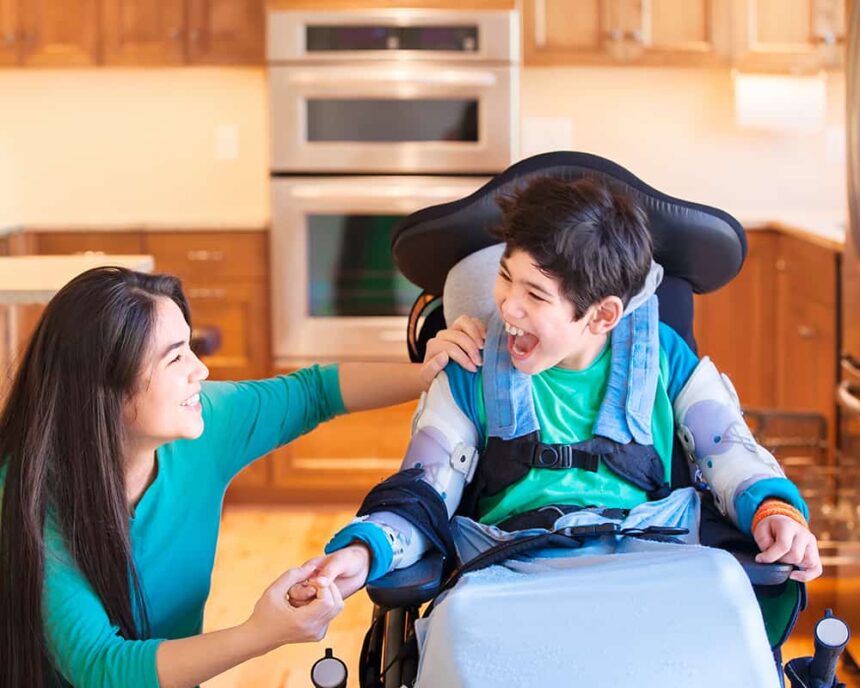
Hearing a child diagnosed with cerebral palsy tells a family less than it might seem to at first. Cerebral palsy isn’t a single, uniform condition with one predictable course. It’s an umbrella term covering several distinct movement disorders, each with different symptoms, different affected muscle groups, and different implications for therapy and long-term function. Two children can both carry a cerebral palsy diagnosis and have almost nothing in common day to day.
That variation is exactly why getting a specific, accurate classification matters as much as the initial diagnosis itself. The type of cerebral palsy a child has should shape everything that follows: which therapies get prioritized, what equipment might eventually help, and what a realistic long-term picture actually looks like. A skilled medical malpractice lawyer in Pennsylvania working on birth injury cases often sees firsthand how much that specific classification matters to a family’s long-term planning.
The Main Types, and What Actually Distinguishes Them
According to the CDC, doctors classify cerebral palsy according to the main type of movement disorder involved, based on which areas of the brain were affected.
Spastic cerebral palsy
This is by far the most common form, accounting for roughly 80 percent of cases. Spastic CP involves increased muscle tone, meaning muscles are stiff and movements can appear awkward or effortful. Spastic CP is further described by which parts of the body are affected: spastic diplegia mainly involves the legs, spastic hemiplegia affects one side of the body, and spastic quadriplegia, the most severe form, affects all four limbs, the trunk, and the face, often alongside other developmental disabilities like intellectual disability, seizures, or vision and hearing problems.
Dyskinetic cerebral palsy
Dyskinetic CP, which includes athetoid, choreoathetoid, and dystonic subtypes, is characterized by uncontrollable movements that can be slow and writhing or rapid and jerky. Children with this type often have difficulty sitting or walking steadily, and muscle tone can shift, sometimes too tight, sometimes too loose, even within the same day. The face and tongue are sometimes affected as well, which can make sucking, swallowing, and speaking more difficult.
Ataxic cerebral palsy
The least common of the primary types, ataxic CP affects balance and coordination specifically. Children with ataxic CP often walk unsteadily with their legs set wide apart and have particular difficulty with precise, controlled movements like writing or buttoning a shirt.
Mixed cerebral palsy
Some children show clear signs of more than one type simultaneously, most often a combination of spastic and dyskinetic patterns. Mixed CP can carry a broader combination of associated medical needs, since it draws on more than one underlying movement disorder pattern at once.
Why the Specific Classification Actually Changes the Care Plan
| Type | What It Primarily Affects | What Care Planning Typically Prioritizes |
| Spastic (diplegia) | Muscle stiffness, mainly in the legs | Mobility-focused physical therapy, bracing, gait training |
| Spastic (hemiplegia) | One side of the body | One-sided strengthening, hand function therapy |
| Spastic (quadriplegia) | All four limbs, trunk, and face | Comprehensive, often multidisciplinary care for mobility, feeding, and communication |
| Dyskinetic | Involuntary movement throughout the body | Therapy focused on movement control, speech and swallowing support |
| Ataxic | Balance and coordination | Balance training, fine motor skill development |
| Mixed | Combination of the above | Individualized plan drawing from multiple therapy approaches |
The point of this table isn’t that one type is worse than another. It’s that each type genuinely calls for a different starting point in therapy, equipment planning, and what a family should realistically expect and prepare for.
Why This Matters Beyond the Clinical Chart
It shapes which therapies get prioritized first
A child with spastic quadriplegia and a child with mild spastic hemiplegia are working toward very different functional goals, even though both carry the same broad “spastic” label. Treating every spastic diagnosis identically misses meaningful differences in severity and distribution.
It affects what equipment and support a family should plan for
Mobility equipment, communication devices, and adaptive tools differ substantially depending on which muscle groups and functions are affected. Understanding the specific type early helps a family plan and budget for the right equipment, rather than guessing.
It informs what other conditions commonly occur alongside it
Certain types, particularly spastic quadriplegia, carry a higher likelihood of co-occurring conditions like seizures, intellectual disability, or vision and hearing impairment. Knowing the type helps a care team screen proactively for these related conditions rather than waiting for them to surface unexpectedly.
It sets more accurate expectations for families early on
A vague cerebral palsy diagnosis without specific classification leaves families guessing about what to expect. A precise diagnosis, even one describing a significant disability, gives families something concrete to plan around rather than open-ended uncertainty.
Getting an Accurate Diagnosis Early
Diagnosing the specific type of cerebral palsy typically involves a combination of clinical history, physical examination, and sometimes imaging, and it can take time to fully characterize, particularly in very young children whose symptoms are still evolving. Understanding exactly which type of cerebral palsy a child has, and how it relates to what happened during pregnancy or delivery, is often central to understanding the full scope of a child’s long-term needs.
Understanding the Diagnosis Is the First Step Toward the Right Plan
Cerebral palsy is a category, not a single condition, and the specific type a child has should drive everything that follows: therapy priorities, equipment planning, and realistic expectations for the years ahead. Families who understand exactly which type their child has, and what that type typically involves, are in a far stronger position to advocate for the right care than those working from the broad label alone.