
Salt water pool test strips are a convenient way to monitor water chemistry and check whether your pool has the right salt concentration. But, sometimes you might see the color on the strips fade, fade lighter, or be hard to read after testing. This can be difficult to evaluate a correct reading and determine if you need to adjust your pool.
There are a number of reasons why fading can occur: improper storage conditions, exposure to moisture, sunlight, and the delay in reading the test results. Knowing these causes will help keep you from losing testing materials and obtain better readings.
Why Do Salt Water Pool Test Strips Fade?
The color-changing chemicals on test strips may be affected by several factors. Understanding of the factors that contribute to fading can help minimize the chances of inaccurate readings.
Exposure to Sunlight
The chemicals in the test strips may be influenced by direct sunlight. Strips which are left on a poolside table, close to a window, or in other light areas can lose some of their effectiveness over time as a result of the effects of ultraviolet light and heat.
This may lead to fading or loss of responsiveness of the color indicators. Store pool testing supplies in the shade and put away pool testing supplies in the container right after use.
Moisture and Humidity
Unfortunately, one of the most frequent causes of the failure of pool salt test strips is moisture. The chemicals used in testing pads, react with water when used. Chemicals can start reacting if water gets on the unused strips due to humidity or accidental water exposure before the test is run.
Never store an open strip near the pool, bathroom, or damp areas, and try not to hold strips in wet hands. Be sure to always close the cap securely after taking a strip off.
Expired Test Strips
Test strips will have an expiration date. Chemicals on their testing pads can deteriorate with time, even if the container is not opened. Weak or inconsistent color changes or faded color changes may occur in expired strips.
Check the expiry date before using a new container. Don’t use strips that are past their recommended time, or if you always get unclear results, replace the strips rather than use them because they may be inaccurate.
Delayed Color Reading
The majority of test strips must be tested within a particular period following dipping in pool water. If too long, colors may alter, fade, and/or become darker than the original reading.
Follow directions for your test strips. If time is required, use a timer and check against the color chart at the recommended times.
How to Prevent Salt Water Pool Test Strips from Fading
Store Strips in Cool Dry Place
Avoid direct sunlight, excess heat, and moisture. Indoors is a better option than placing the strips beside the pool, unless it’s in a cupboard or storage cabinet. Don’t put them in places with large temperature variations.
Keep the Container Tightly Sealed
After removing a strip of the lid, shut it right away. It is important to keep the container open so humid air can enter and cause moisture to reach the remaining strips. If a drying agent is present in the container, do not take it out of the container.
Handle Strips Carefully
Always use dry hands when removing a strip. Don’t touch the testing pads because oils, moisture, and fingerprints can interfere with the chemical reaction. Remove only the strip that is required, and do not place unused strips back into the container if they have come into contact with water.
Follow the Testing Instructions
The various pool salt test strips might have varying dipping and reading instructions. Adhere to the manufacturer’s instructions for the correct water exposure time and color-reading time. When used in accordance with instructions, the strips are used to minimize inconsistent results.
How Often Should You Check Salt Levels in a Salt Water Pool?
A chlorine generator needs to be properly adjusted for the correct amount of salt in the pool, and regular testing will help to keep it at the proper level. The optimum concentration will vary based on your saltwater chlorinator and manufacturer’s specifications; please check the manufacturer’s instructions for your particular saltwater chlorinator.
Test salt levels regularly throughout the pool and whenever you add water to the pool, if there is heavy rainfall, or when there are changes in the performance of the chlorinator. Also check after salt is added to ensure the concentration is in the recommended range.
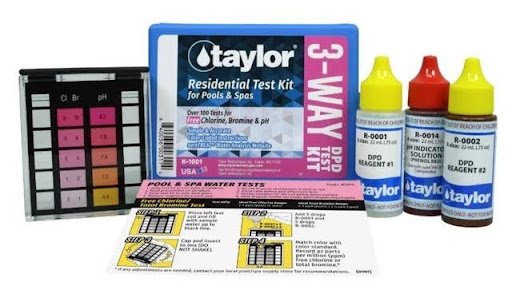
A reliable salt water pool test kit can make routine checks easier. It can measure the salt concentration in addition to other important water chemistry levels depending on the product. Select a testing system that has been created specifically for salt water pools and follow the instructions carefully.
What to Do If Your Test Strips Keep Fading
When the strips cast hazy colors even after being stored correctly, make sure to look at the expiration date and the container for any moisture damage. If the strips are discolored prior to use or don’t provide consistent results, replace them.
You can also verify the salt reading using a compatible digital salt tester or another suitable testing method. Avoid adding more salt based on an uncertain result, as excessive salt can affect pool equipment and water balance.
Final thoughts
It can be hard to determine the correct reading of salt levels on fading test strips, but with proper storage, handling, and reading, it can help prevent this problem. Store pool salt test strips in a cool, dry place away from direct sunlight and discard used test strips when they expire. Regularly testing and maintaining the chemistry of your saltwater pool and pool system can ensure that your pool remains within the recommended range and can help your chlorinator work properly.