

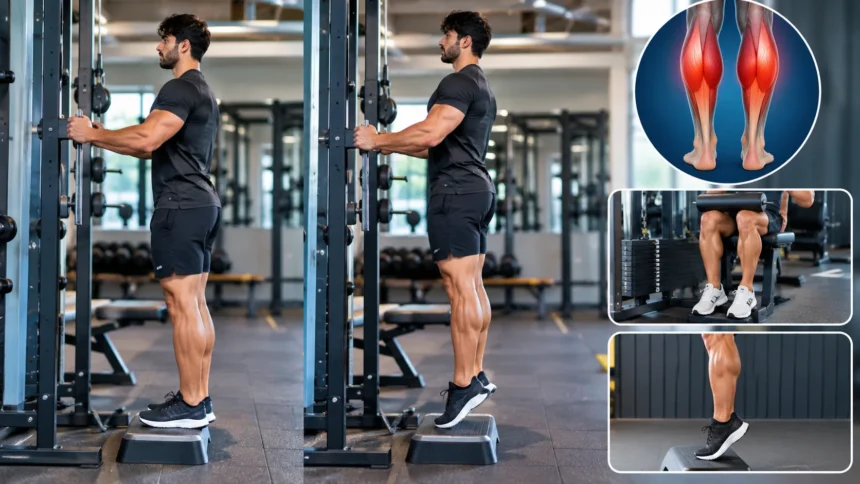
The calf raise exercise is a simple and effective movement for strengthening the muscles in your lower legs. Whether you enjoy walking, running, playing sports, or staying active, strong calf muscles support everyday movement and lower-body stability. This exercise requires minimal equipment and can be adapted to different fitness levels. Learning proper technique helps you perform calf raises comfortably and build strength gradually.
The calf raise exercise mainly targets the gastrocnemius and soleus muscles, which help lift your heels and push your body forward during movement. Regular calf strengthening can support ankle function, balance, and lower-leg endurance. This guide explains the benefits of calf raises, correct exercise form, common variations, mistakes to avoid, and practical tips for including them in your routine.
What Is a Calf Raise Exercise?
A calf raise is a lower-body strengthening exercise that involves lifting your heels while keeping the front of your feet on a stable surface. The movement activates the calf muscles responsible for pointing the foot downward, known as plantar flexion. It can be performed while standing, sitting, or using appropriate exercise equipment.
Standing calf raises are commonly performed using body weight, making them accessible for home exercise routines. You begin with your feet supported on the floor, slowly lift your heels, and return to the starting position. The movement should remain controlled rather than rushed. A wall or sturdy chair can provide support when additional balance assistance is needed.
Calf raises are used in general fitness programs, athletic conditioning, and some rehabilitation settings. They can help develop lower-leg strength and improve tolerance for activities involving walking, running, and jumping. However, exercise selection should depend on individual abilities and any existing health concerns. Proper technique and gradual progression are more important than performing difficult variations immediately.
Which Muscles Do Calf Raises Work?
The two primary muscles involved in calf raises are the gastrocnemius and soleus. Both muscles contribute to ankle plantar flexion, the movement that lifts your heels away from the ground. Together, they form an important part of the calf muscle group. Their coordinated action helps support many ordinary movements involving the feet and ankles.
The gastrocnemius is the more superficial calf muscle and crosses both the knee and ankle joints. It contributes significantly to movements requiring ankle force, particularly when the knee is relatively straight. Standing calf raises commonly emphasize this muscle. However, the soleus also remains active throughout the movement and contributes to overall calf strength.
The soleus sits beneath the gastrocnemius and plays an important role in standing and walking. Because it does not cross the knee joint, bent-knee calf raise variations can place relatively greater emphasis on the soleus. Other lower-leg muscles also help stabilize the foot and ankle. Training these muscles supports coordinated movement rather than isolating one muscle completely.
Benefits of Calf Raises for Lower-Body Strength
One major benefit of calf raises is improving strength in the muscles responsible for ankle movement. The calves help propel the body forward during walking and other activities. Strengthening them can increase the muscles’ ability to manage everyday physical demands. This makes calf raises a useful addition to many balanced lower-body exercise programs.
Calf raises can also improve muscular endurance when performed with appropriate repetitions and resistance. Endurance helps lower-leg muscles continue working during sustained activities such as walking or standing. However, improvement depends on the consistency and suitability of the exercise program. Calf raises are most effective when combined with other movements that support overall physical fitness.
Another advantage is the convenience of the exercise. Basic calf raises do not require expensive machines or complicated equipment. They can be performed at home, in a gym, or during a supervised exercise session. Their simplicity makes them easy to incorporate into a routine while allowing adjustments for different strength and mobility levels.
How to Do Standing Calf Raises Correctly
Begin by standing on a flat, stable surface with your feet approximately hip-width apart. Keep your knees comfortably straight without forcing them into a locked position. Place one or both hands on a sturdy chair or wall if you need balance support. Maintain a relaxed, upright posture before starting the movement.
Slowly press through the front of your feet and raise your heels away from the floor. Allow your ankles to move naturally while keeping the motion steady and controlled. Lift only as high as you comfortably can without losing balance or causing pain. Avoid bouncing or using sudden movements to reach the highest position.
Pause briefly at the top before lowering your heels toward the floor. The lowering phase should remain smooth rather than allowing your body weight to drop suddenly. Return to a comfortable starting position and repeat according to your ability. Focus on steady movement quality instead of rushing through a large number of repetitions.
How to Perform Seated Calf Raises
Seated calf raises offer another effective way to strengthen the lower-leg muscles. Begin by sitting upright on a stable chair with both feet resting flat on the floor. Position your knees at a comfortable bend and keep your feet facing forward. This variation can be useful when standing balance is difficult or when training with bent knees.
Raise your heels slowly while keeping the front of your feet in contact with the ground. The movement should come mainly from your ankles rather than lifting your entire legs. Pause briefly when your heels reach a comfortable height. Then lower them smoothly until your feet return to the starting position.
Seated calf raises can be performed using body weight or suitable resistance when appropriate. Because the knees remain bent, this exercise places relatively greater emphasis on the soleus muscle. However, both major calf muscles contribute to ankle function. Beginners can start without additional resistance and focus on controlled repetitions before considering more challenging options.
Standing vs Seated Calf Raises: Key Differences
Standing and seated calf raises strengthen the calves but differ in knee position and muscle emphasis. Standing variations keep the knees relatively straight, allowing the gastrocnemius to contribute strongly. Seated variations involve bent knees, reducing the gastrocnemius muscle’s mechanical contribution. This makes seated calf raises particularly useful for emphasizing the soleus.
Standing calf raises also require the body to maintain stability while moving through the ankles. Some variations challenge balance, especially when performed without hand support. Seated calf raises generally place fewer demands on standing balance because the body is supported by a chair. Both exercises can provide useful strengthening benefits when performed correctly.
Choosing between these variations depends on your goals, comfort, and physical abilities. Some people include both movements to train the calves through different knee positions. Others may begin with seated exercises before progressing to supported standing calf raises. Neither variation is universally better, and a balanced routine can include both when appropriate.
Single-Leg Calf Raises for Greater Control
Single-leg calf raises are a progression of the standard standing variation. They require one calf to lift a greater proportion of your body weight while maintaining ankle stability. This makes the movement more demanding than performing calf raises with both feet. It is generally more suitable after developing comfortable control with supported bilateral raises.
Begin beside a sturdy wall or countertop and place your hand on it for balance. Transfer your weight onto one foot while keeping the other foot lifted slightly from the floor. Slowly raise and lower the supporting heel through a comfortable range. Avoid allowing the ankle to roll excessively inward or outward during the movement.
You can perform the exercise on each side while paying attention to differences in comfort and control. If one leg feels less stable, additional support may help you maintain proper technique. There is no need to force the same number of repetitions when discomfort occurs. Gradual progression is safer than attempting advanced variations before developing sufficient strength.
Calf Raises on a Step: What to Know
Some people perform calf raises on a step to increase the available ankle movement. This variation allows the heel to move below the level of the forefoot when lowering. Although it can provide a greater range of motion, it also increases the demands placed on the calf muscles and Achilles tendon. It is not necessary for beginners.
If using a step, choose a stable platform and maintain secure hand support throughout the exercise. Keep the front of your feet firmly positioned on the surface. Move slowly and avoid dropping your heels into an uncomfortable stretch. People with balance difficulties or existing tendon pain should avoid this variation unless advised otherwise by a qualified professional.
A flat-floor calf raise remains an effective option for strengthening the lower legs. Increasing the movement range is not automatically better if it creates discomfort or reduces control. Select a variation that allows smooth, confident repetitions. Exercise quality and appropriate progression contribute more to long-term improvement than using the most challenging version available.
How Calf Raises Support Walking and Running
The calf muscles play an important role during walking because they help control and produce movement at the ankle. As the body moves forward, these muscles contribute to supporting weight and pushing the foot against the ground. Calf raises strengthen the muscles involved in this process. This can support the physical demands of regular walking.
Running generally places greater repetitive demands on the calves and Achilles tendon than ordinary walking. Strengthening the lower-leg muscles may help improve their capacity to tolerate these forces over time. However, calf raises alone cannot guarantee better running performance or prevent injuries. A suitable running routine also depends on gradual training, recovery, and overall conditioning.
For people who enjoy recreational activities, calf strengthening can complement other lower-body exercises. Walking, suitable balance activities, and strengthening the hips and thighs all contribute to movement capacity. Including several types of activity helps develop broader physical abilities. Calf raises are one useful component rather than a replacement for comprehensive fitness training.
Can Calf Raises Improve Balance and Ankle Stability?
Calf raises require controlled movement through the ankle while the foot remains supported. Standing versions also challenge the body’s ability to maintain an upright position. Practicing the exercise with appropriate support may help develop muscular control during standing tasks. However, balance improvement depends on several systems, including vision, sensation, and coordination.
Ankle stability involves more than the strength of the calf muscles alone. The muscles surrounding the foot and ankle work together to control movement during everyday activities. Calf raises contribute to this process by developing strength in the ankle plantar flexors. Other strengthening and balance exercises may be needed for a more complete training approach.
People recovering from ankle injuries may sometimes include calf raises in rehabilitation programs. However, the timing and variation should reflect the specific injury and stage of recovery. Performing challenging exercises too early can aggravate sensitive tissues. Guidance from a qualified healthcare professional can help determine when calf strengthening is appropriate.
Common Calf Raise Mistakes to Avoid
One common mistake is performing calf raises too quickly. Rapid bouncing can reduce movement control and make it difficult to maintain consistent technique. It may also create unnecessary discomfort in sensitive muscles or tendons. Slow, steady repetitions allow you to focus on comfortable ankle movement and appropriate muscular effort.
Another mistake is allowing the ankles to roll excessively inward or outward. This may occur when balance becomes difficult or when the exercise is too demanding. Keeping your feet comfortably supported and using hand assistance can improve control. If your ankles consistently move awkwardly, consider an easier variation or seek professional guidance.
Some people also attempt more repetitions or resistance than they can comfortably manage. Excessive fatigue may lead to shortened movements, poor balance, or soreness that interferes with daily activities. Starting with manageable exercise demands allows the body to adapt gradually. Paying attention to comfort and technique is more useful than pushing through pain.
How Many Calf Raises Should You Do?
The appropriate number of calf raises depends on your current abilities, exercise experience, and goals. Beginners may find one or two sets of approximately 8–12 controlled repetitions manageable. However, these numbers are examples rather than strict requirements. You can adjust the amount according to comfort and movement quality.
People with more exercise experience may gradually increase repetitions, resistance, or exercise difficulty. The best progression allows the calf muscles to work without causing excessive discomfort or loss of technique. Some programs emphasize strength, while others focus on muscular endurance. Training frequency should also allow reasonable recovery between demanding sessions.
You do not need to perform calf raises until your muscles become completely exhausted. Consistent practice with suitable resistance can support improvement over time. If soreness continues or your performance declines, additional recovery or a lighter session may be appropriate. Individuals following rehabilitation programs should use the exercise amounts recommended by their healthcare professional.
Can Calf Raises Help With Achilles Tendon Strength?
The Achilles tendon connects the calf muscles to the heel bone and transfers force during movement. Calf raises place controlled loading demands on this tendon as the muscles lift the heels. Gradually increased loading can be part of programs designed to improve tendon capacity. However, the correct approach depends on the individual’s condition and tolerance.
Some rehabilitation plans include specific calf-strengthening exercises for people with Achilles tendinopathy. These programs may use different knee positions, resistance levels, and movement speeds. They should be selected according to symptoms and clinical assessment. Performing generic calf raises without considering an existing injury may not address the underlying problem appropriately.
If you experience persistent Achilles pain, swelling, or unusual stiffness, seek professional assessment before increasing exercise difficulty. Sudden severe pain accompanied by difficulty pushing off the foot may require urgent evaluation. Do not attempt to exercise through symptoms suggesting a significant tendon injury. Appropriate guidance helps support recovery while reducing the risk of further aggravation.
Best Practices for Adding Calf Raises to Your Routine
Calf raises are easy to include in a balanced exercise routine because they require little space or equipment. You might perform them after a comfortable warm-up or alongside other lower-body strengthening movements. Choose a time when you can focus on controlled technique. Exercises should complement your daily activities rather than create unnecessary fatigue.
Gradual progression is an important part of successful calf training. Begin with a variation you can perform comfortably before increasing repetitions or resistance. If an exercise becomes too difficult, reduce the challenge or use additional support. This flexible approach allows progress without relying on rigid expectations or forcing uncomfortable movements.
A complete lower-body routine should include exercises for different muscle groups and movement patterns. Calf raises can complement walking, squats, hip strengthening, and suitable balance activities. Rest, adequate nutrition, and comfortable sleep also support physical recovery. A balanced approach helps build sustainable fitness habits rather than focusing exclusively on one exercise.
When Should You Avoid Calf Raises?
Calf raises are generally suitable for many people, but certain situations require caution. Recent ankle injuries, significant calf pain, or unexplained swelling may make the movement inappropriate until the cause is assessed. Exercise should not reproduce sharp or worsening pain. If symptoms are unusual, seek medical advice before continuing.
Sudden calf swelling, warmth, redness, or unexplained tenderness should not automatically be treated as ordinary exercise soreness. These symptoms can sometimes indicate medical problems requiring prompt evaluation. Seek urgent care for unexplained one-sided calf swelling or pain, particularly when accompanied by warmth or redness. Chest pain or breathing difficulty requires emergency attention.
People with existing neurological conditions, significant balance difficulties, or recent surgery may need individualized exercise recommendations. A healthcare professional can help identify suitable movements and appropriate levels of support. Modifying an exercise is often more useful than forcing a standard technique. Safe training begins with understanding your current abilities and respecting relevant medical restrictions.
Conclusion
The calf raise exercise is a practical movement for strengthening the muscles of the lower legs. It primarily works the gastrocnemius and soleus, which support ankle movement during walking, running, and other activities. Standing, seated, and single-leg variations provide different levels of challenge. Choosing an appropriate variation helps make the exercise accessible and effective.
Proper calf raise technique involves controlled heel movement, comfortable foot positioning, and steady balance. Beginners can start with supported bodyweight exercises before considering more difficult variations. Gradual progression allows muscles and tendons to adapt to increasing demands. Avoiding rushed repetitions and excessive resistance helps maintain comfortable and consistent exercise performance.
Including calf raises in a balanced fitness routine can support lower-leg strength, endurance, and everyday movement capacity. However, the exercise is not a guaranteed solution for injuries, balance problems, or persistent pain. If symptoms occur, professional guidance can help identify the safest approach. Consistency, appropriate recovery, and controlled technique remain important for sustainable improvement.
Frequently Asked Questions (FAQs)
What Is the Calf Raise Exercise Good For?
Calf raises help strengthen the gastrocnemius and soleus muscles, which support ankle movement during walking, running, and standing. They can also contribute to lower-leg endurance and controlled movement.
How Many Calf Raises Should Beginners Do?
Beginners may start with one or two sets of approximately 8–12 controlled repetitions, depending on comfort and ability. Additional support or fewer repetitions may be appropriate when balance or strength is limited.
Are Standing or Seated Calf Raises Better?
Both variations are useful because they emphasize the calf muscles differently. Standing raises strongly involve the gastrocnemius, while seated raises place relatively greater emphasis on the soleus. Neither is universally better.
Can You Do Calf Raises Every Day?
Light calf raises may be comfortable for some people, but demanding strengthening sessions generally require appropriate recovery. Training frequency should depend on exercise intensity, individual tolerance, and any existing muscle or tendon problems.
Do Calf Raises Help Strengthen the Achilles Tendon?
Progressive calf strengthening can help increase the Achilles tendon’s tolerance to loading. However, people experiencing tendon pain or recovering from an injury should follow an appropriate rehabilitation plan rather than increasing exercise difficulty independently.