

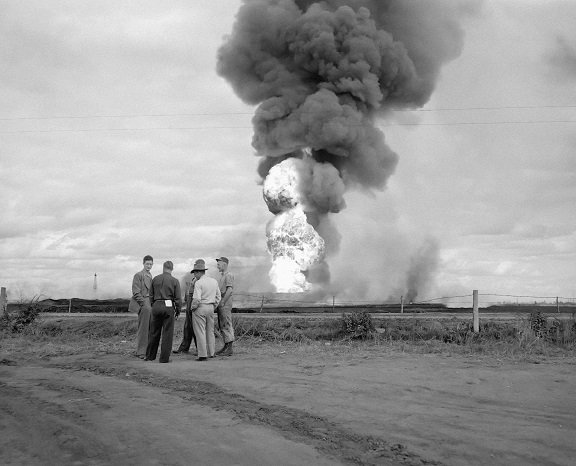
Escalation in conflicts is a multifaceted concept that can manifest in various settings, such as social conflicts, workplace tensions, and international relations. It refers to a process where a situation intensifies and evolves into more severe actions or responses. Understanding escalation is crucial, as it often indicates a shift from disagreements or minor disputes to more serious confrontations or conflicts.
In social contexts, escalation may arise during interpersonal disagreements. A simple misunderstanding can snowball into significant conflicts, fueled by miscommunication, emotional triggers, and differing perspectives. For instance, a minor disagreement among friends may escalate into a heated argument if emotions run high and resolutions are not sought promptly. Similarly, in workplace environments, tensions may escalate between colleagues due to unresolved issues, leading to decreased morale and productivity. In these scenarios, the lack of effective communication serves as a key component that contributes to escalation.
In the realm of international relations, escalation can result in serious diplomatic incidents or even military confrontations. For example, a territorial dispute between two nations may begin with verbal disagreements but can escalate into military actions if diplomatic solutions are not prioritized. This underscores the importance of understanding the causes and signs of escalation to prevent detrimental outcomes.
Consequently, recognizing the implications of escalation is vital in any context. If left unchecked, escalating situations can lead to irreparable damage, strained relationships, or significant conflict. Thus, it is imperative for individuals and organizations alike to be aware of escalation dynamics, enabling them to handle disagreements in a manner that promotes understanding and resolution.
Identifying the Triggers of Escalation
Escalation can occur in various contexts, ranging from interpersonal conflicts to organizational crises. Understanding the common triggers that lead to such situations is essential for effective management and prevention. One of the primary emotional triggers of escalation is intense feelings, such as anger or fear. Strong emotions can cloud judgment and provoke reactions that elevate a situation. For instance, during a disagreement, if one party feels threatened or deeply offended, they may react defensively, thus increasing the likelihood of escalation.
External pressures also play a critical role in triggering escalation. Factors such as looming deadlines or external scrutiny, such as media coverage, can exacerbate stress levels among individuals involved. When people perceive that there is high stakes involved, their response may become more aggressive or defensive, which in turn can lead to a rapid escalation of conflict. It is imperative to recognize these stressors early, as they often serve as warning signs for individuals involved.
Social dynamics, including peer influence and the presence of authority figures, can significantly contribute to escalation. In group settings, individuals might feel pressured to conform to the attitudes or behaviors of those around them. This conformity can lead to heightened aggression or defensiveness, especially when larger groups are involved. The influence of authority figures cannot be underestimated; often, their expectations or behaviors can propel a scenario towards escalation as those subordinate to them may feel compelled to act in alignment with perceived expectations.
Through an analysis of case studies and psychological principles, we can better understand these triggers and their implications. By identifying these early warning signs of escalation, individuals and organizations can adopt proactive strategies to mitigate risks and maintain tranquility in various scenarios.
Strategies for Managing Escalating Situations
Effectively managing escalating situations is crucial in various contexts, from workplaces to interpersonal relationships. Implementing appropriate strategies can prevent conflicts from intensifying and ensure constructive resolutions. Key communication strategies include active listening, maintaining a calm demeanor, and using clear language. By actively engaging with the other party, you demonstrate empathy and validate their feelings, which can significantly reduce tension.
Another effective approach involves employing conflict resolution techniques. It is escalation in conflicts to identify the underlying issues that contribute to the escalation. Instead of focusing on accusations or blame, frame the discussion around the shared goal of finding a resolution. This can be achieved by asking open-ended questions and encouraging collaborative problem-solving. Establishing common ground facilitates cooperation and may lead to mutually beneficial outcomes.
De-escalation tactics are also vital for managing crises. Techniques such as maintaining appropriate body language, using a soft tone, and avoiding inflammatory language can greatly influence the situation’s direction. Providing the other party with space to express their concerns without interruption fosters an environment conducive to resolution. Additionally, when aggression is present, offering an option to pause the conversation allows both parties to cool down and think clearly before proceeding.
Moreover, it is essential to recognize when to involve external mediators or authority figures, particularly if the situation threatens safety. Training in conflict de-escalation techniques can equip individuals with tools necessary for handling difficult interactions. By being proactive in employing these strategies, individuals are better prepared to manage escalating situations effectively, reducing the potential for harm and fostering healthier communication. Ultimately, implementing these practices contributes to constructive conflict management in any situation.
Case Studies: Real-Life Examples of Escalation and Resolution
Understanding escalation in conflicts in various fields, including business, healthcare, and crisis management. By examining real-life case studies, we can glean valuable insights into how different organizations handle escalating situations.
One prominent case involves a major airline that faced a significant operational disruption due to severe weather conditions. Passengers were stranded, and frustration began to mount. Initially, the airline’s communication strategy was reactive, leading to increased dissatisfaction among customers. However, as tensions rose, the management adopted a proactive approach by implementing a comprehensive communication plan. They utilized social media, emails, and announcements to keep passengers informed about their options, including rebooking and accommodations. This shift not only de-escalated the immediate crisis but also restored customer trust, illustrating the importance of timely and transparent communication in managing escalation.
In stark contrast, a healthcare facility encountered an escalation when a patient was unhappy with the treatment they received. The staff initially dismissed the concerns, believing the patient’s complaints were unfounded. Unfortunately, this lack of engagement led to heightened tension and an eventual public relations nightmare. In this scenario, the failure to acknowledge and address the patient’s grievances promptly allowed the situation to escalate further. This case serves as a critical reminder that addressing concerns in their early stages is vital for successful resolution.
Another noteworthy example can be seen in the realm of product recalls. A major food company faced an escalation when contamination was discovered in one of its popular products. The initial response was a standard recall, but upon realizing the scope of public concern, the company took additional steps to engage with customers directly, providing frequent updates and transparent information about the situation. Their responsive actions significantly mitigated reputational damage and demonstrated effective crisis management.
These case studies exemplify the dynamic nature of escalation. They highlight that recognizing and addressing issues proactively can lead to favorable outcomes, whereas neglecting early signs can exacerbate challenges. Understanding these dynamics is essential for effective escalation management across various sectors.