

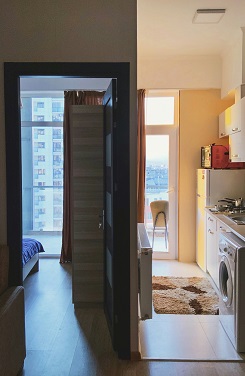
Understanding the Challenges of Decorating Small Spaces
Decorating small spaces, such as apartments, presents a unique set of challenges that can significantly impact the overall living experience. One of the primary obstacles is the limited square footage available. This constraint often necessitates careful consideration of how to utilize every inch effectively. When space is at a premium, it becomes crucial to create a harmonious environment that blends functionality with aesthetics. Another challenge that arises in small space decorating is balancing functionality versus aesthetics. Many individuals desire a beautiful and stylish interior; however, the practicality of the space should not be overlooked. Furnishings must be both appealing and useful, ensuring that they serve a purpose without overwhelming the room. For instance, choosing multi-functional furniture, such as a coffee table that doubles as storage, can help achieve a desirable aesthetic without compromising on utility.
Smart storage solutions also play a pivotal role in decorating small spaces. The need to keep belongings organized and out of sight is essential for maintaining a clean and spacious appearance. Employing vertical storage techniques, using under-bed storage, and maximizing closet space are effective strategies for decluttering. Moreover, incorporating decorative storage options can enhance the visual appeal while providing necessary organization.
Many misconceptions about small space design may further complicate the decorating process. A common myth is that small spaces must be decorated with minimal furniture and accessories to avoid feeling cramped. In reality, personalized décor can add warmth and character, making a small apartment feel more inviting. Ultimately, embracing creativity and innovative design solutions allows individuals to maximize style and practicality in their small living environments.
Color Schemes that Make Small Spaces Feel Bigger
The choice of color can significantly influence the perception of space in smaller apartments. Lighter shades are often recommended for small spaces, as they reflect more light and create an airy feel. Soft pastels, whites, and creams are particularly effective in enhancing the sense of openness. When walls are painted in these hues, they can make even the most compact areas appear larger and brighter.
Psychologically, colors impact mood and spatial perception. Light blues and greens can evoke calmness, while yellows can bring warmth and cheerfulness. It is crucial to choose a consistent color palette throughout the living areas, which helps maintain visual continuity and avoids fragmentation. A harmonious flow between rooms can significantly enhance the feeling of spaciousness.
Strategically using color can further amplify the sense of space. For example, painting the ceiling a lighter shade than the walls can create an impression of height. Additionally, you may consider incorporating monochromatic color schemes that blend shades from the same color family to minimize the visual clutter. This subtle gradient can elicit a soothing atmosphere while elongating the appearance of walls.
Accent colors can also play a pivotal role in small space decorating. Opt for one or two bold accent colors to add personality without overpowering. Accessories like cushions, artworks, or small furniture pieces in vibrant hues can inject life into a room. It is essential to limit these striking elements to a few focal points, ensuring that they enhance rather than overwhelm the limited space.
Multi-Functional Furniture Solutions
In today’s urban environment, where living space is often limited, the importance of multi-functional furniture cannot be overstated. These innovative solutions not only maximize space but also contribute to a stylish and versatile living area. Multi-functional furniture items are designed to serve more than one purpose, making them ideal for small apartments.
One prominent example of multi-functional furniture is the sofa bed. This piece effectively combines a comfortable sitting area with a sleeping solution for guests. During the day, the sofa can be used for relaxation or entertaining visitors, while at night, it easily transforms into a bed, ensuring that every inch of valuable space is utilized efficiently. This dual-purpose functionality makes sofa beds invaluable in small apartments.
Another popular choice is the ottoman that doubles as a storage unit. These versatile pieces can serve as a coffee table, extra seating, or footrest while providing hidden storage for items like blankets, books, or magazines. This not only helps in reducing clutter but also adds style to the room. Selecting ottomans with appealing designs can enhance the aesthetic while serving an essential role in storage management.
Extendable dining tables represent another excellent multi-functional option. This type of table can be compact for everyday use but can be expanded to accommodate more guests during gatherings or celebrations. It allows for flexibility, making it possible to utilize a small dining area more effectively without sacrificing functionality or style.
In summary, the integration of multi-functional furniture into small apartments offers practical and stylish solutions to living space challenges. By choosing versatile items like sofa beds, storage ottomans, and extendable dining tables, residents can create a balance between form and function while maintaining the decor aspect of their homes.
Smart Storage Strategies
In small spaces such as apartments, effective storage solutions play a crucial role in maintaining organization and minimizing clutter. One popular method is the incorporation of built-in shelves, which can be customized to fit various spaces, enhancing both storage capacity and aesthetics. By using vertical wall space, built-in shelves provide a practical solution for displaying books, plants, or decorative items while keeping surfaces free from unnecessary clutter.
Another innovative approach is utilizing under-bed storage. Beds can often be a source of untapped space. Storage bins or drawers specifically designed to fit under the bed can hold seasonal clothing, extra bedding, or rarely used items. This method allows for easy accessibility while keeping everyday living areas tidy.
Over-the-door organizers also offer a fantastic solution for small living areas. Doors are often overlooked, yet they present valuable opportunities for storage. Whether in the kitchen, bathroom, or bedroom, these organizers can house anything from shoes to kitchen supplies, effectively increasing storage without sacrificing floor space.
Additionally, the creative use of vertical space can significantly improve storage options in small apartments. Installing wall-mounted racks, hooks, or pegboards can transform walls into functional areas. These additions can accommodate kitchen utensils, office supplies, or even outdoor gear, providing both utility and style in limited space.
Lastly, viewers must regularly assess their belongings, practicing decluttering techniques to curate their possessions effectively. Regularly evaluating what is essential can help optimize storage and streamline living conditions. When every item has a designated space, maintaining organization becomes significantly easier, which is particularly important in smaller homes.
Creative Use of Vertical Space
In small apartments, maximizing space is essential, and one effective strategy is to creatively utilize vertical space. This approach can dramatically alter the feel of a room, making it appear more spacious while providing necessary storage.
One of the most practical ways to achieve this is by installing high shelves. High shelves effectively draw the eye upward, creating the illusion of higher ceilings. They are perfect for displaying decorative items, books, or plants, all while freeing up valuable floor space. When selecting shelves, consider adjustable options that allow for flexible arrangements as your needs change.
Another great option is tall bookcases. These pieces not only provide ample storage for books and other items but also serve as a striking visual focal point within your apartment. Opt for bookcases that extend to the ceiling to maximize storage without encroaching on the floor area. Alternatively, leave some space above the books to enhance the room’s openness.
Additionally, wall-mounted storage solutions can transform the way you think about organization. Wall hooks, pegboards, or mounted racks can be used for hanging everything from kitchen utensils to clothing accessories. By elevating items off surfaces, these solutions maintain an organized look while allowing your apartments to feel airy and uncluttered.
Furthermore, mirrors placed strategically can enhance this effect. They reflect light and create depth, which can amplify the sense of openness in a room. When combined with thoughtful vertical storage solutions, mirrors can offer an elegant, stylish touch while contributing to the overall perception of space.
Incorporating these vertical design strategies not only breathes character into an apartment but also effectively utilizes its dimensions, thus ensuring that every inch is functional. By focusing on vertical solutions, residents of small homes can enjoy a harmonious balance between style and practicality.
Choosing the Right Lighting for Small Areas
When it comes to decorating small spaces in apartments, the right lighting can significantly enhance the feel and functionality of a room. A well-lit area not only makes the space appear larger but also creates an inviting atmosphere. Lighting can be categorized into three main types: ambient, task, and accent lighting, each serving a distinct purpose in small spaces.
Ambient lighting provides the overall illumination in a room. It is essential for setting the mood and should be bright enough to light up the entire space without being overpowering. In small areas, consider using ceiling-mounted fixtures, wall sconces, or even floor lamps that direct light upwards to avoid creating harsh shadows. Using light-colored bulbs can also brighten the room and add to the feeling of openness.
Task lighting, on the other hand, is geared towards specific activities, such as reading, cooking, or working. In a compact apartment, it is vital to strategically place these light sources to ensure functionality without clutter. A sleek desk lamp, pendant lights above a kitchen island, or under-cabinet lighting can provide direct illumination where it is needed most, enhancing both usability and efficiency.
Accent lighting highlights specific features in a room, such as artwork or architectural elements. This approach helps add depth to small spaces by drawing the eye to different areas, creating visual interest. Wall-mounted fixtures or stylish table lamps can be effective in bringing attention to focal points without overwhelming the space.
Additionally, using mirrors is an excellent technique to further enhance lighting in small areas. Mirrors reflect natural and artificial light, creating the illusion of depth and openness. Positioning a large mirror across from a window or standout light source can double the visual brightness, making the room appear larger and more airy.
Textures and Patterns that Add Depth
Creating a visually appealing environment in small spaces involves careful consideration of textures and patterns. These elements can significantly enhance the atmosphere without overwhelming the area, striking a balance between style and functionality. Incorporating various textures not only adds depth but also encourages an inviting ambiance. One effective approach is to layer different materials. For instance, consider combining a soft, plush rug with leather accents or wooden furniture. This contrast between the softness of textiles and the sturdiness of hard surfaces creates a dynamic visual experience.
When selecting textiles, aim for layers that can be added or removed based on the season or mood. Choosing items such as throw pillows, cozy blankets, or curtains in varying materials can infuse your space with warmth. Opting for fabrics like linen, velvet, or cotton can introduce tactile diversity that encourages a welcoming vibe. Additionally, incorporating subtle patterns can further enhance the visual appeal. Patterns such as stripes or small geometric shapes can create the illusion of more space, particularly when used in lighter shades that reflect light.
For walls, consider wallpaper or decals that feature muted patterns. This not only avoids overwhelming the space but can also draw the eye upward, creating the perception of height. Vertical stripes or delicate floral designs can consistently complement existing furniture while maintaining a cohesive look. Avoid large, bold patterns that dominate the room; instead, focus on smaller, more intricate designs that enrich the visual narrative.
In conclusion, skillfully employing textures and patterns in small spaces can yield surprising results, making the area feel both cozy and spacious. By layering materials, choosing thoughtfully patterned textiles, and choosing the right wall treatments, one can create an environment that is both inviting and aesthetically pleasing, ultimately transforming any small apartment into a style-filled retreat.
Personalizing Your Space
When it comes to decorating small apartments, personalizing your space is key to making it feel like home. Infusing your unique personality into your living area can transform a basic apartment into a personal sanctuary. One effective way to inject your individuality is by displaying items that hold significance to you. This might include photographs, travel souvenirs, or even cherished mementos. However, it is vital to curate these decorations thoughtfully to avoid clutter, which can easily overpower a small space.
Art plays a significant role in personalizing your apartment. Selecting pieces that resonate with your emotions or experiences can create a connection within your home. Consider using a gallery wall as a focal point to display an assortment of framed artwork, prints, or personal photographs. Mixing different sizes and frame styles can add depth and interest, while also reflecting your distinct aesthetic. A well-placed piece of art can serve as a conversation starter and a reflection of your personality.
Additionally, consider integrating your hobbies into your decor. If you enjoy reading, for instance, a stylish bookshelf or a cozy reading nook can underscore your passion. Similarly, if you have collections, such as vinyl records or vintage items, showcase them in creative ways that enhance your home’s style. Floating shelves are an excellent option for displaying these collections without taking up valuable floor space.
Another approach to personalizing your small apartment is through the use of color. Selecting decor items in your favorite hues can evoke your personality and set the mood of a room. Throws, cushions, and area rugs provide an opportunity to introduce color and texture without overwhelming the space. Ultimately, the goal is to create a harmonious balance between personal expression and maintaining an organized environment.
Budget-Friendly Small Space Decor Tips
Decorating a small apartment on a budget is entirely possible with thoughtful planning and creativity. One of the most effective ways to achieve a stylish environment is through essential DIY projects. Simple undertakings like painting old furniture or creating custom wall art can add a personalized touch without costing a fortune. For instance, you can turn an unused door into a trendy table or paint small objects to match your desired color scheme.
Thrift stores and flea markets are treasure troves filled with unique items that can complement your decor theme. Scouring these places for vintage furniture, picture frames, or home accessories not only saves money but also contributes to an eclectic and inviting atmosphere. Often, minor repairs or a fresh coat of paint can transform an inexpensive piece into a focal point in your small space.
When looking for affordable modern decor solutions, consider prioritizing multi-functional furniture. Pieces such as ottomans with storage, sofa beds, or extendable dining tables can maximize functionality while maintaining style. Incorporating well-chosen, compact furniture allows you to create a more open and breathable environment in your small apartment.
Another budget-friendly decorating tip is to use mirrors strategically. They create an illusion of space and add brightness to your home. Placing mirrors opposite windows can enhance natural light and bring depth to smaller rooms. Additionally, wall-mounted shelves can display decor without taking up floor space. This approach enables you to showcase personal items or even small plants, further enriching the decor.
In conclusion, by utilizing DIY projects, exploring thrift store finds, and selecting multi-functional furniture, it is feasible to achieve a stylish small apartment on a budget. Integrating such strategies can help transform any compact living space into an inviting and aesthetically pleasing environment.