

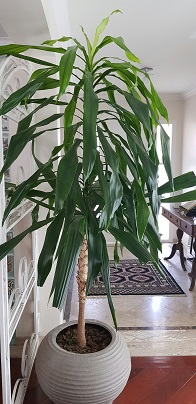
Introduction to Indoor Plants
Indoor plants have become increasingly popular in recent years, serving not only as decorative elements but also contributing significantly to the health and ambiance of living spaces. The inclusion of greenery in our homes enhances air quality by filtering pollutants, making it vital for maintaining a healthy indoor environment. Various studies indicate that plants can absorb harmful toxins and release oxygen, thus promoting a fresher atmosphere. Moreover, the presence of indoor plants has been associated with improvements in mood and mental well-being. The act of caring for plants can reduce stress levels and increase feelings of happiness. Their comforting presence can support relaxation, transform an ordinary room into a serene space, and even inspire creativity. This emotional and psychological uplift is one reason why more individuals are gravitating towards indoor gardening.
Furthermore, the aesthetic appeal of indoor plants cannot be overlooked. They add color, texture, and life to otherwise sterile spaces, bridging the gap between nature and architecture. By selecting the right types of plants, one can elevate the design of their interiors, transforming rooms into inviting environments where both residents and guests feel comfortable.
Choosing the appropriate indoor plants, however, requires specific consideration based on the type of room and its unique conditions, such as lighting and humidity. For instance, a sunny living room may house hardy succulents, while a bathroom with ample moisture may be better suited for ferns or peace lilies. Understanding these nuances ensures that indoor plants thrive, thus maximizing the benefits they confer.
Choosing the Right Indoor Plants for the Living Room
The living room serves as a central gathering space in a home, making it an ideal location for incorporating indoor plants that enhance both the aesthetic and ambiance. When selecting plants for this area, it is essential to consider factors such as light availability, maintenance requirements, and the overall decorative style of the room.
One popular choice for the living room is the snake plant (Sansevieria). Known for its striking upright leaves, the snake plant is not only visually appealing but also thrives in a variety of light conditions, from low light to bright indirect sunlight. It is a low-maintenance plant, making it an excellent option for individuals with busy lifestyles.
Pothos (Epipremnum aureum), another favored indoor plant, boasts cascading vines that can effortlessly drape over shelves or hang from baskets. Pothos is adaptable and flourishes in diverse lighting environments, though it prefers indirect sunlight. Its low maintenance needs further solidify its position as a great living room plant.
The peace lily (Spathiphyllum) adds a touch of elegance with its lush green leaves and beautiful white blooms. This plant does well in low to medium light, making it suitable for shadier areas of the living room. Peace lilies require more attentive care, needing regular watering to thrive, but they are also known for their air-purifying qualities, creating a healthier indoor environment.
When contemplating indoor plants for the living room, take the time to assess the light conditions and personal maintenance preferences. By choosing the right plants be it snake plants, pothos, or peace lilies—you can create a vibrant and welcoming space that resonates with both beauty and comfort.
Indoor Plants for the Kitchen: Benefits and Choices
The kitchen is often regarded as the heart of the home, making it an ideal space for incorporating indoor plants that can serve both aesthetic and functional purposes. Plant choices in this area should not only enhance the visual appeal but also contribute positively to the culinary experience. Among the most popular indoor plants for the kitchen are culinary herbs, which provide fresh ingredients for cooking; options like basil, mint, and parsley are particularly favored.
Basil is renowned for its fragrant aroma and versatility in dishes ranging from pasta to salads. On the other hand, mint can be a refreshing addition to beverages and desserts, making it a valuable herb to grow in a kitchen environment. The convenience of having these herbs readily available not only encourages more home cooking but also allows for a healthier diet by promoting the use of fresh, natural ingredients.
Additionally, incorporating air-purifying plants such as the spider plant or pothos can significantly enhance the ambiance of the kitchen. These plants are known for their ability to improve indoor air quality by filtering out harmful toxins, thereby creating a healthier environment for food preparation. Their low maintenance requirements make them ideal choices for busy kitchens where time for plant care may be limited. Moreover, the vibrant green foliage of these plants adds a touch of nature to the workspace, fostering a calming atmosphere.
Overall, the selection of indoor plants in the kitchen should focus on both practicality and aesthetic appeal. By choosing a combination of culinary herbs and air-purifying plants, homeowners can create a functional and inviting kitchen. The incorporation of these plants not only enhances the culinary experience but also supports a healthier and more enjoyable environment in one of the most important areas of the home.
Bedroom Plants: Creating a Relaxing Atmosphere
The bedroom serves as a sanctuary for relaxation and rejuvenation, making the choice of indoor plants essential to enhance this environment. Incorporating the right plants can promote tranquility, improve air quality, and contribute to better sleep hygiene. Among the ideal selections for the bedroom are lavender and snake plants, known for their calming properties.
Lavender, with its aromatic quality, is widely recognized for its potential to reduce anxiety and stress, promoting a more restful sleep. The gentle scent of lavender may also aid in alleviating insomnia, making it a perfect addition to your bedside. Conversely, the snake plant, or Sansevieria, is praised for its ability to purify the air by removing toxins while releasing oxygen at night. Its hardy nature makes it a suitable choice for those with varying light conditions, as it thrives in low light and requires minimal care.
To aesthetically arrange these plants in your bedroom, consider their size and growth habits. Position larger plants, like snake plants, on the floor or in corners to create visual interest, while smaller lavender pots can be placed on nightstands or shelves. This strategy not only adds a touch of greenery but also maintains balance within the room’s decor. Make sure to assess the humidity levels and light exposure in your space; both plants can flourish in typical indoor conditions, though they prefer well-drained soil.
Furthermore, integrating these plants into your bedroom can promote mindfulness. Taking a moment each day to care for them or simply enjoying their presence can foster a sense of peace, contributing to an overall positive atmosphere conducive to relaxation and sleep. Choosing the right bedroom plants enables individuals to create a sanctuary that supports their well-being and enhances the tranquility of their sleep environment.
Bathroom Plants: Moisture Lovers
Bathrooms often present a unique environment for houseplants, characterized by high humidity and low light. This setting is ideal for certain plants that not only thrive under such conditions but also contribute positively to air quality. Among the top choices for bathroom plants are fern varieties and peace lilies, both of which excel in these environments.
Ferns, particularly Boston and Maidenhair ferns, are perfectly suited for bathrooms. They thrive on moisture and appreciate the humidity that tends to accumulate in these spaces. These plants can be placed in hanging planters or on shelves where they can receive indirect light. Regular misting or placing them in a tray filled with stones and water can further replicate their natural habitats, ensuring they remain lush and vibrant.
Another excellent option is the peace lily. Known for its elegant white blooms, the peace lily is not only visually appealing but also effective at removing indoor pollutants such as ammonia and benzene. This plant prefers shaded areas, making it ideal for bathrooms. When caring for a peace lily, it is crucial to keep the soil consistently moist without overwatering. Its striking flowers and dark green leaves add a refreshing touch to your bathroom decor.
Beyond their beauty, both ferns and peace lilies play a vital role in enhancing indoor air quality. They absorb toxins and produce oxygen, making your bathroom feel cleaner and more inviting. By selecting the right plant for your bathroom environment, you can create a calming oasis that promotes well-being and adds a touch of nature to your daily routine.
Home Office Plants for Productivity
Creating an effective home office environment is crucial for enhancing productivity and focus. Incorporating indoor plants into your workspace can significantly contribute to a more inspiring atmosphere. Among the various options, desk-sized succulents, spider plants, and pothos are excellent choices that not only beautify your surroundings but also improve air quality.
Succulents, such as Echeveria or Haworthia, require minimal care and are perfect for smaller desks. Their unique textures and vibrant colors can add a touch of nature without overwhelming your workspace. Placing a small succulent near your computer can also serve as a calming visual break from intense focus periods, helping you recharge momentarily. Ensure that your succulent is positioned in indirect light, as this promotes healthy growth while avoiding the harsh glare of direct sun that can affect screen visibility.
The spider plant, known for its air-purifying capabilities, is another superb option for a home office. This plant thrives in various lighting conditions and can adapt to the humid environment of a home office. Positioning a spider plant on a shelf or a hanging planter can effectively utilize vertical space and draw attention away from cluttered desks. Its cascading leaves can create a vibrant green backdrop, enhancing overall aesthetics.
Pothos, with its trailing vines, is yet another ideal candidate for a productive workspace. It is renowned for its ability to thrive in low-light conditions and requires infrequent watering. Placing pothos near a window can provide it with bright, indirect sunlight, although it can tolerate lower light levels. The creeping vines can be trained to grow along a trellis or left to drape gracefully from shelves, providing a tranquil ambiance that can help reduce stress while promoting creativity.
In a home office setting, the strategic positioning of these plants can significantly enhance not only the visual appeal but also the functional benefits of the workspace, leading to improved productivity and focus.
Plants for Children’s Rooms: Safety and Care
Creating a nurturing environment for children includes incorporating safe and manageable indoor plants into their rooms. It’s essential to select plants that are non-toxic and easy to care for, encouraging children to take an interest in their well-being and fostering a sense of responsibility. One excellent option for children’s rooms is the bamboo plant (Dracaena sanderiana), known for its resilience and low maintenance requirements. Bamboo is also non-toxic, making it a safe choice for curious little ones.
Another superb candidate is the rubber plant (Ficus elastica), which features broad, attractive leaves that can brighten any room. This plant is relatively forgiving and can thrive in various lighting conditions while requiring minimal attention. However, it is vital to note that while rubber plants are generally safe, the sap can be mildly irritating; thus, supervision is recommended to prevent excessive contact with skin. Both bamboo and rubber plants not only enhance the room’s aesthetic but also purify indoor air, contributing to a healthier living space for children.
Introducing plants to your child’s space can also serve as an educational opportunity. Parents can engage children in discussions about plant growth, care routines, and the importance of being gentle with living things. Involving children in watering schedules or repotting plants teaches responsibility and nurtures a sense of accomplishment when they see their efforts rewarded with healthy, flourishing plants. Additionally, creating a routine around plant care can provide a gratifying experience for children, making them more inclined to engage with nature while indoors.
In summary, selecting the right indoor plants for children’s rooms should prioritize safety and ease of care, allowing children to learn about responsibility while enjoying the benefits of a green environment.
Seasonal Considerations: Changing Your Indoor Garden
The care of indoor plants is inherently influenced by seasonal changes, necessitating an adaptable approach to indoor gardening. Understanding how different seasons impact light, temperature, and humidity is crucial for cultivating a thriving indoor garden. In spring and summer, many plants benefit from increased sunlight and warmer temperatures, promoting growth and flowering. On the other hand, the cooler months of autumn and winter often require adjustments to care routines, as light availability diminishes and indoor environments may become drier due to heating systems.
During the more luminous months, it is advantageous to consider rotating or introducing new indoor plants that are more suited for the abundant light. For instance, tropical plants like pothos or peace lilies thrive in bright conditions and will flourish when placed in sunlit areas of your home. Additionally, outdoor plants can often be brought indoors, providing opportunities for seasonal variety in your indoor plant collection.
As the seasons shift, attention must also be given to the changing indoor climate. Many plants, especially succulents and cacti, prefer drier conditions which can occur during winter months, necessitating less frequent watering. In contrast, humidity-loving plants such as ferns may require additional moisture to thrive when the air becomes dry. Using a humidifier or placing a water tray filled with pebbles near these plants can help maintain their preferred environment.
Ultimately, adapting your indoor gardening practices to align with seasonal changes not only enhances the health of your plants but also enriches your living space. By understanding the unique requirements of your indoor plants based on the time of year, you can create a dynamic and visually appealing indoor garden that evolves with the seasons.
Conclusion: Bringing Nature Indoors
Incorporating indoor plants into various rooms throughout a home not only enhances the aesthetic appeal but also contributes to improved health and well-being. The presence of greenery indoors has been widely recognized for its ability to create a calming atmosphere, purify the air, and promote mental clarity. Different types of plants can serve a variety of functions, from adding vibrant colors to improving indoor air quality.
Each room can benefit from specific plant varieties; for instance, succulents and cacti thrive in sunnier spots like kitchens and living rooms, while ferns and peace lilies flourish in more humid environments such as bathrooms. The choice of plants can reflect personal style and the ambiance one wishes to create, showcasing the versatility of indoor gardening. Furthermore, engaging with plants through watering, pruning, and arranging can be a therapeutic activity that bolsters emotional health.
As individuals explore the diverse world of indoor plants, it is important to consider not only the visual impact but also the practical needs of each plant. Experimenting with different types of greenery, understanding their light and water requirements, and arranging them harmoniously can lead to beautiful and functional indoor landscapes. With thoughtful selection and placement, the integration of indoor plants can turn any space into a tranquil retreat.
Ultimately, the journey of bringing nature indoors can be as simple or as elaborate as one desires. Whether opting for a single houseplant or creating a lush green corner, embracing these natural elements offers an opportunity to enrich one’s living space, creating a balance between nature and home life.