

Understanding Fabric Types
Taking proper care of your clothing starts with understanding the different types of fabrics. Each fabric type has distinct characteristics that influence how it should be washed, dried, and ironed. Knowing these differences is crucial for maintaining the longevity and appearance of your garments. Cotton is one of the most commonly used fabrics due to its breathability and durability. It usually withstands high heat and can be machine washed, making it relatively easy to care for. However, it may shrink if washed in hot water or dried at high temperatures. Wool, characterized by its warmth and natural elasticity, requires a more delicate approach. It should ideally be hand washed or cleaned using a gentle cycle with cold water to prevent shrinkage. Additionally, wool garments should be laid flat to dry to retain their shape and texture. Silk is another luxury fabric that demands special attention. While it is soft and luxurious, silk can be quite sensitive to water temperature and detergent. Dry cleaning is often recommended for silk garments to preserve their sheen. If washing at home, cold water and a gentle detergent are essential for maintaining silk’s integrity.
Polyester, a synthetic fabric, is known for its resistance to wrinkles and shrinking. It is generally easy to wash and can be tumble dried on low settings. However, polyester garments may require ironing to eliminate any creases for a polished appearance.
Fabric blends, which combine various materials, can present unique care requirements depending on their composition. Always check the care label for specific instructions. Understanding these fabric types and their respective care techniques is essential for maintaining your wardrobe effectively, ensuring that your clothing remains in excellent condition over time.
Washing Your Clothes: The Basics
Proper washing of clothes is essential for maintaining their appearance and longevity. One of the first steps in this process is sorting laundry by color and fabric type. Dark clothing should be washed separately from whites to prevent color bleeding, which can dull the appearance of lighter garments. Additionally, heavier fabrics like towels should not be mixed with delicate items such as silks or lace, as the agitation in the washing machine can lead to damage.
Choosing the right detergent is another critical aspect of washing clothes. Detergents come in various forms, such as liquid, powder, and pods, with specialized formulations designed for different fabrics and washing conditions. For example, using a detergent specifically formulated for cold water washing can improve performance and save energy. It’s also important to measure the correct amount of detergent based on the load size and soil level; using too much can leave residue on clothes and may even contribute to deterioration over time.
Selecting the appropriate washing machine settings is paramount to effective cleaning without harming the fabric. Most machines offer various cycles, including delicate, normal, and heavy-duty, tailored for different fabric types. Delicate cycles are suitable for fragile materials, while normal cycles are adequate for everyday garments. Furthermore, the washing temperature should be considered hot water is effective for white cottons, but cold water is often recommended for colors to prevent fading.
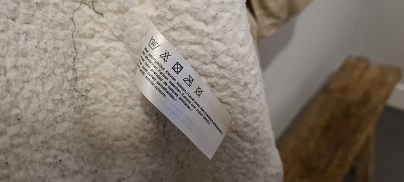
Reading care labels is an essential skill when washing clothes. Labels provide vital information about how to treat each item, including recommended wash temperatures, drying methods, and whether the garment should be dry cleaned. Understanding these care instructions enables effective laundry practices that help extend the life of clothing.
Drying Techniques: Air Dry vs. Machine Dry
When it comes to drying clothes, two primary techniques are commonly utilized: air drying and machine drying. Each method has distinct advantages and disadvantages, which can significantly affect the longevity and appearance of various fabrics.
Air drying, a method that involves hanging clothes to dry naturally, is often considered gentler on fabrics. It reduces the risk of shrinkage, fading, and damage associated with high heat settings found in tumble dryers. Additionally, air drying is an energy-efficient method, contributing to lower electricity bills and a lesser environmental impact. However, it may be time-consuming, especially in humid weather, and can sometimes lead to clothes feeling stiff if not treated properly.
On the other hand, machine drying provides the convenience of quicker drying times, particularly for those with busy schedules. Modern dryers come equipped with various settings, allowing users to select appropriate temperatures based on fabric types. This makes machine drying suitable for heavier materials like towels and blankets which can take longer to dry. However, the high heat and tumbling action can wear down fibers over time, causing a decrease in the lifespan of garments.
When deciding between air drying and machine drying, consider the fabric composition and clothing style. Delicate items such as silk or lace should be air-dried, while sturdy fabrics like cotton can often withstand machine drying. If machine drying is preferred, it is advisable to use lower heat settings and remove clothes promptly to minimize wrinkling.
In terms of tips for air drying, ensure garments are hung on suitable hangers and spaced adequately to facilitate proper airflow. For machine drying, monitoring drying times and selecting appropriate cycles can prevent overheating and damage. By understanding these drying techniques and their implications, individuals can make informed decisions, ultimately enhancing the care of their clothing.
Ironing and Steaming: How to Keep Clothes Wrinkle-Free
Maintaining a polished appearance of your garments is essential for a neat and professional look. Ironing and steaming clothes are efficient methods to achieve wrinkle-free textiles, but they require careful attention to fabric types and appropriate techniques. Start by familiarizing yourself with the various temperature settings necessary for different materials. Cotton and linen typically withstand higher temperatures, while synthetic fabrics like polyester and delicate silk require gentle, lower heat settings to avoid burns or damage.
When using an iron, always refer to the care labels on your clothing as they provide critical guidance on temperature settings. It is advisable to use water during the ironing process. This can be done either by filling the iron’s water reservoir and producing steam or by lightly spritzing the fabric with water before ironing. Water helps in softening wrinkles and allows the heat to penetrate the fiber effectively. However, for fabrics prone to water stains, such as silk, ensure that your iron is dry or choose to steam instead.
Steaming is an excellent alternative for delicate materials. A handheld steamer is particularly useful for quick touch-ups or when dealing with intricate embellishments that an iron might damage. When steaming, maintain a safe distance from the fabric to avoid excess moisture which can lead to drips or water spots. Move the steamer in a downward motion, allowing the steam to relax the fabric without direct contact. For best results, hanging garments while steaming can facilitate gravity to enhance wrinkle release.
Finally, regardless of the method used, avoid leaving the iron or steamer in one spot for too long. Prolonged heat exposure can scorch the fabric. Implementing these techniques and taking care to follow fabric-specific instructions will ensure your clothes remain wrinkle-free and in pristine condition.
Mending and Repairing: Extending the Life of Your Garments
Maintaining the condition of clothing can significantly prolong its lifespan and contribute to a more sustainable wardrobe. Mending and repairing garments is both an economical and environmentally friendly practice. By learning a few basic sewing techniques, individuals can easily address minor damages rather than resorting to discarding clothing that may still have a lot of wear left in it.
One of the most fundamental techniques is patching holes. Patching can be done using a variety of fabrics that complement the original garment or provide an artistic flair. It involves sewing a piece of fabric over the worn or torn area, effectively sealing the damage and adding character. This technique not only helps in covering holes but can also act as a decorative feature, transforming a simple piece into a unique item.
Replacing buttons is another straightforward yet effective mending technique that individuals can master. Loose or missing buttons can cause garments to become unwearable, but with the right tools a needle, thread, and a spare button most people can fix this issue easily. When selecting buttons, consider matching them to the fabric and style of the item for a cohesive look.
Hems can also be simply adjusted through the process of sewing, which is essential for garments that may have been altered or resized over time. A pair of scissors and a needle and thread can help to shorten or repair hems, ensuring garments maintain their intended fit and aesthetic.
To facilitate these mending processes, certain sewing tools are indispensable. Essential items include a good pair of scissors, various needles, a selection of thread in different colors, pins for securing fabric, and an iron for pressing seams. By utilizing these tools, individuals can significantly extend the life of their garments and reduce unnecessary waste, making clothing repair a valuable skill in current times.
Storing Clothes Properly
Storing clothes correctly is crucial to maintaining their condition and prolonging their lifespan. Different types of garments require different storage techniques. For instance, heavier items such as sweaters or sweatshirts should generally be folded rather than hung. Folding helps to avoid stretching and misshaping these heavier fabrics. When folding, it is advisable to use acid-free tissue paper to provide additional support and prevent creases.
On the other hand, delicate items, such as blouses or dresses made from silk or satin, should be hung on padded hangers to retain their form and prevent wrinkling. It is essential to ensure that the hangers are of an appropriate width and that they do not catch on fabric, which may lead to snags.
Utilizing garment bags is particularly beneficial for items that are seasonal or infrequently used. These bags help protect clothing from dust, moths, and excess moisture. When using garment bags, choose breathable fabrics rather than plastic to allow airflow, as this helps prevent mildew and moisture accumulation.
The storage environment significantly influences clothing care as well. Ideal storage places are cool, dry, and dark, as exposure to sunlight can fade colors and cause fabrics to deteriorate. An appropriate humidity level, typically around 30% to 50%, is crucial for preventing mold and mildew growth. To maintain this level, consider using humidity absorbers or dehumidifiers in your storage area.
Moreover, the use of cedar blocks or lavender sachets can deter moths naturally while adding a pleasant fragrance to your garments. It is important to regularly check stored clothing for signs of damage or decay, as early detection can save items from irreversible harm.
Dealing with Stains: Quick Fixes and Long-Term Solutions
Stains are an inevitable part of life, and knowing how to deal with them effectively can significantly extend the lifespan of your clothes. Quick fixes can be invaluable, especially during those instances when you are in a hurry. For fresh stains, acting quickly is critical. Firstly, gently blot the area with a clean cloth to absorb any excess liquid, being careful not to rub the stain deeper into the fabric.
For common stains such as wine, coffee, or grease, there are straightforward solutions. A mixture of mild dish soap and cold water is often effective for greasy stains; simply apply the solution to the stain, allow it to sit for a few minutes, and then blot with a clean cloth. For red wine, sprinkling salt on the stain can help absorb the color. Following your initial treatment, always wash the garment according to its care label instructions.
Preventative measures play an essential role in ensuring that stains do not become a recurring issue. One effective strategy is to use stain repellents, which can be applied to clothing to create a barrier against potential stains. Fabrics treated with water- or oil-repellent coatings are much less likely to absorb spills, thus making cleanup easier. Furthermore, being cautious during activities that may lead to staining, such as dining or engaging in outdoor sports, is advisable.
Implementing long-term strategies is crucial for maintaining the cleanliness of your wardrobe. Regular washing with appropriate detergents designed to combat stains can be beneficial. For particularly stubborn stains, consider soaking garments before washing them. By integrating both quick fixes and long-term solutions, you can protect your clothes and ensure they remain in pristine condition for years to come.
The Importance of Routine Maintenance
Regular clothing maintenance is a critical aspect of ensuring the longevity and integrity of garments. By incorporating routine care practices, individuals can significantly prolong the life of their clothing while also saving money in the long run. Cleaning garments effectively, inspecting for wear and tear, and conducting necessary repairs are fundamental components of a comprehensive maintenance strategy.
Cleaning clothes properly not only removes dirt and stains but also helps retain the fabric’s quality. Following the care labels meticulously, using appropriate detergents, and adhering to washing instructions can prevent premature fading, shrinking, and degradation. For instance, delicate fabrics may require gentle washing cycles or dry cleaning to maintain their appearance and texture. Regular washing, particularly after wearing heavily soiled items, can limit the buildup of stubborn stains, thus keeping garments looking fresh.
Inspection is a proactive measure that many overlook. Taking the time to assess garments for issues such as loose threads, small tears, or missing buttons can prevent more significant problems down the line. Identifying these concerns early allows for timely repairs, which are often much less costly than replacing an entire garment. Furthermore, repairing clothing not only saves money but also promotes sustainability by reducing waste in the fashion industry.
Overall, integrating routine maintenance into one’s clothing care regimen is incredibly beneficial. By committing to regular cleaning, careful inspections, and timely repairs, individuals can ensure their wardrobe remains in good condition for years to come. This proactive approach not only enhances personal style but also reflects a responsible attitude towards consumption and sustainability in fashion.
Sustainable Practices in Clothing Care
In an era increasingly defined by environmental awareness, adopting sustainable practices in clothing care is paramount for reducing our ecological footprint. One of the first steps towards sustainability in this area is choosing eco-friendly detergents. These products often contain natural ingredients, free from harsh chemicals that can be harmful to both the environment and human health. Additionally, many eco-friendly detergents are biodegradable and packaged in recyclable materials, further contributing to responsible consumption.
A significant aspect of sustainable clothing care is the energy efficiency of washing methods. Washing clothes in cold water can save substantial energy, as heating water accounts for a considerable portion of household energy usage. Furthermore, using a front-loading washer is generally more efficient compared to a top-loading machine, as it utilizes less water while still providing effective cleaning. Additionally, reducing wash cycles and only washing clothes when necessary can significantly reduce water consumption and energy use, promoting a more sustainable approach to wardrobe maintenance.
Caring for clothes properly not only enhances their longevity but also decreases textile waste, a pressing concern in today’s society. When garments are well maintained, they remain in circulation for longer periods, delaying their journey to landfills. Techniques such as proper storage, gentle washing, and repairing minor damages can extend the life of clothing items significantly. Notably, clothing repairs, whether through professional services or DIY methods, stand as an excellent practice that nurtures a sustainable wardrobe.
Incorporating these sustainable practices into daily routines not only benefits personal wardrobes but also contributes to a larger movement towards environmental preservation. It encourages individuals to reassess their consumption habits and adopt behaviors that not only reflect a commitment to sustainability but also promote a more circular economy in the fashion industry.