

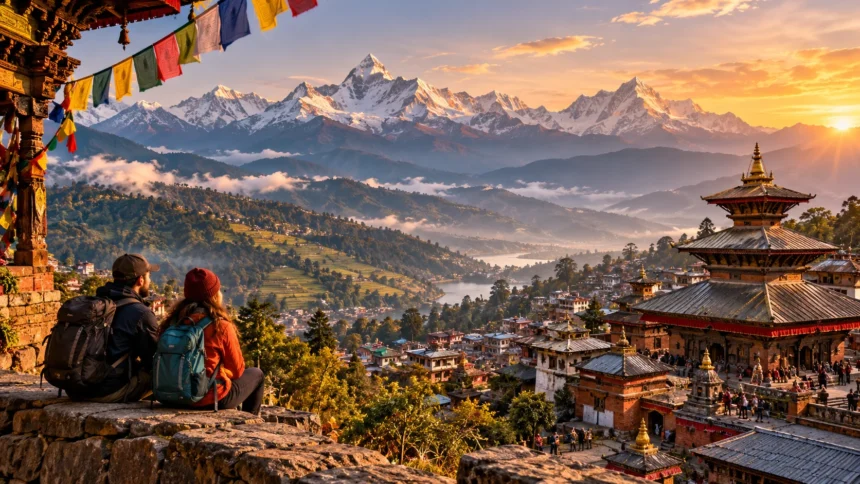
Nepal is one of the most captivating travel destinations in South Asia, famous for its towering Himalayan mountains, ancient temples, peaceful lakes, and rich cultural heritage. Home to Mount Everest, the world’s highest mountain, this beautiful country attracts visitors seeking remarkable scenery, spiritual experiences, and unforgettable cultural discoveries. From the historic streets of Kathmandu to the lakeside beauty of Pokhara, Nepal offers experiences suited to many different types of travelers.
Exploring Nepal allows visitors to discover traditional villages, UNESCO World Heritage Sites, national parks, and spectacular mountain landscapes. The country combines Hindu and Buddhist traditions with distinctive architecture, colorful festivals, and welcoming local communities. Whether you enjoy historical sightseeing, nature photography, wildlife observation, or relaxing countryside escapes, there are countless memorable things to do in Nepal.
Planning a Nepal holiday involves choosing the right season, understanding regional transportation, and allowing enough time to explore different destinations. The mountainous geography means travel conditions can vary considerably between cities and remote valleys. This Nepal travel guide covers the best places to visit, top attractions, cultural experiences, seasonal weather, and practical travel tips for an enjoyable journey.
Explore Kathmandu: Nepal’s Historic Capital
Kathmandu is Nepal’s capital and cultural center, offering a fascinating combination of ancient temples, traditional neighborhoods, and lively markets. Located in the Kathmandu Valley, the city provides an introduction to the country’s history and religious heritage. Visitors can discover historic squares, impressive architecture, and everyday local traditions while exploring its busy streets.
Kathmandu Durbar Square is one of the city’s most important historical attractions, featuring palace buildings, courtyards, and traditional Newari architecture. The surrounding neighborhoods contain small shops, local restaurants, and religious landmarks. Visitors can also explore Thamel, a popular tourism district known for accommodation, handicrafts, cafes, and travel services.
Spending several days in Kathmandu allows travelers to explore its major attractions without rushing. Guided cultural tours can provide valuable insight into the city’s history and traditions. Because traffic can be heavy and walking conditions vary, organizing sightseeing by neighborhood makes exploring the capital more comfortable.
Visit Swayambhunath, the Famous Monkey Temple
Swayambhunath is one of Nepal’s most recognizable religious landmarks, located on a hill overlooking Kathmandu Valley. Commonly called the Monkey Temple, this historic Buddhist complex features a prominent white stupa, golden spire, prayer wheels, and surrounding shrines. Its elevated position provides panoramic views of Kathmandu and the nearby hills.
Visitors can explore the temple complex while observing traditional Buddhist architecture and religious practices. Colorful prayer flags and intricately decorated structures contribute to its distinctive atmosphere. Monkeys also live around the site, although visitors should avoid feeding or approaching them because they are wild animals.
Swayambhunath is both a religious destination and an important cultural attraction. Respectful behavior is essential, particularly near worshippers and sacred structures. Early morning visits may offer pleasant temperatures and a quieter atmosphere, making it easier to appreciate the site’s history and surrounding scenery.
Discover Boudhanath Stupa and Buddhist Traditions
Boudhanath Stupa is among Nepal’s most significant Buddhist monuments and one of Kathmandu’s most impressive attractions. Its enormous white dome and golden tower create a recognizable landmark surrounded by monasteries, shops, and traditional buildings. The area is an important center for Tibetan Buddhist culture and religious activity.
Visitors can walk around the stupa, observe traditional prayer practices, and admire the surrounding architecture. Nearby monasteries offer additional opportunities to learn about Buddhist art and cultural heritage. The atmosphere is particularly memorable when worshippers gather and the surrounding area becomes active with religious ceremonies.
Restaurants and cafes overlooking the monument provide comfortable places to appreciate the setting. Visitors should follow local customs and respect photography restrictions near religious activities. Boudhanath offers a peaceful cultural experience while remaining accessible from many parts of Kathmandu.
Explore Bhaktapur’s Ancient Streets and Temples
Bhaktapur is one of the most beautiful historic cities in Kathmandu Valley, known for its traditional architecture, narrow streets, and impressive temples. The city’s heritage reflects centuries of Newari culture and craftsmanship. Exploring Bhaktapur provides an opportunity to experience a traditional urban environment away from Kathmandu’s busiest commercial neighborhoods.
Bhaktapur Durbar Square features historic palace buildings, decorative courtyards, and intricately carved structures. Visitors can also admire Nyatapola Temple, one of the city’s most recognizable landmarks. Pottery Square offers opportunities to observe traditional pottery-making activities and learn about local artistic practices.
The city is particularly attractive for photography, architecture enthusiasts, and cultural travelers. Local restaurants serve traditional Newari dishes, adding another dimension to the experience. Spending several hours exploring Bhaktapur allows visitors to appreciate its architecture and cultural atmosphere at a comfortable pace.
Experience the Natural Beauty of Pokhara
Pokhara is one of Nepal’s most popular tourist destinations, famous for its peaceful lakes, beautiful mountain views, and relaxed atmosphere. Located near the Annapurna mountain range, the city offers a scenic contrast to Kathmandu’s busy streets. Its lakeside setting makes it particularly appealing for travelers seeking nature and relaxation.
Phewa Lake is among Pokhara’s main attractions, providing opportunities for scenic boat rides and waterfront walks. On clear days, visitors can admire mountain reflections on the water. The surrounding Lakeside neighborhood offers cafes, restaurants, shops, and accommodation overlooking the beautiful landscape.
Pokhara also provides access to several cultural and natural attractions, including viewpoints, waterfalls, and nearby villages. Its peaceful atmosphere makes it suitable for spending several days. Travelers can enjoy lakeside relaxation while using the city as a starting point for exploring the surrounding Annapurna region.
Visit Sarangkot for Himalayan Sunrise Views
Sarangkot is a famous viewpoint near Pokhara, particularly known for its impressive sunrise views over the Himalayan mountains. On clear mornings, visitors can admire peaks associated with the Annapurna range, including Machapuchare. The changing morning light creates beautiful colors across the mountain landscape.
The viewpoint is accessible through local transportation, although road conditions and travel arrangements should be checked beforehand. Early morning visits are particularly popular because visibility can be clearer before clouds develop. However, mountain views depend on weather conditions and are never guaranteed.
Sarangkot is a rewarding destination for travelers interested in photography and peaceful natural scenery. Visitors can also enjoy views of Pokhara Valley from elevated locations. Wearing warm layers is useful because temperatures may feel cool before sunrise, especially during autumn and winter.
Explore the Annapurna Region and Mountain Villages
The Annapurna region is one of Nepal’s most famous mountain destinations, attracting visitors with remarkable Himalayan scenery and traditional communities. The area contains diverse landscapes, including terraced hillsides, forests, valleys, and snow-covered peaks. Different locations offer opportunities to experience mountain culture and beautiful natural surroundings.
Villages such as Ghandruk are known for traditional architecture, mountain views, and Gurung cultural heritage. Visitors can experience local hospitality and learn about rural life through community-based tourism. The region also contains established trekking routes, although difficulty, altitude, and accessibility vary considerably.
Mountain travel requires careful preparation because weather, terrain, and altitude can create significant challenges. Certain trekking routes require permits and licensed guides under Nepal’s regulations. Travelers should select experiences appropriate for their abilities and use reputable local operators when visiting remote mountain areas.
Discover Mount Everest and the Khumbu Region
Mount Everest is Nepal’s most famous natural landmark, rising to approximately 8,849 meters above sea level. The surrounding Khumbu region features extraordinary mountain landscapes, Sherpa communities, and important Buddhist monasteries. It attracts travelers interested in Himalayan geography, cultural heritage, and impressive high-altitude scenery.
Namche Bazaar is one of the region’s best-known settlements, offering beautiful mountain surroundings and insight into Sherpa culture. Tengboche Monastery is another significant cultural landmark within the region. Visitors can learn about local traditions while appreciating the scale of the surrounding Himalayan environment.
Traveling to the Everest region requires extensive planning because altitude, weather, and transportation conditions can be demanding. High-altitude journeys are not suitable for every traveler and should never be undertaken without appropriate preparation. Guided experiences, medical considerations, and current access rules are essential parts of responsible mountain tourism.
Visit Chitwan National Park for Wildlife Experiences
Chitwan National Park is one of Nepal’s most important wildlife conservation areas, located in the southern Terai region. The park protects forests, grasslands, rivers, and wetlands that provide habitats for numerous animal species. Its natural environment offers a different experience from the mountainous landscapes of northern Nepal.
Visitors may have opportunities to observe greater one-horned rhinoceroses, deer, crocodiles, and various bird species through authorized wildlife excursions. Bengal tigers also inhabit the park, although sightings are uncommon and cannot be guaranteed. Experienced naturalists can explain the ecosystem and conservation efforts.
The nearby town of Sauraha provides accommodation and tourism facilities for many park visitors. Travelers should choose responsible wildlife experiences and avoid activities that compromise animal welfare. Following ranger instructions and maintaining safe distances from wildlife helps protect visitors and the park’s sensitive natural habitats.
Explore Lumbini, the Birthplace of Buddha
Lumbini is one of Nepal’s most significant religious and cultural destinations, internationally recognized as the birthplace of Siddhartha Gautama, the historical Buddha. Located in the country’s southern plains, the site attracts Buddhist pilgrims and cultural travelers from around the world. Its peaceful environment creates opportunities for reflection and historical exploration.
The Maya Devi Temple is the central attraction within Lumbini’s sacred area. Visitors can explore the surrounding archaeological remains and landscaped grounds. The Ashoka Pillar is another important landmark connected with the site’s historical recognition and religious significance.
Lumbini also contains monasteries built by Buddhist communities from different countries, displaying varied architectural traditions. Walking through these areas provides insight into Buddhism’s international cultural influence. Visitors should dress respectfully, follow site regulations, and maintain a quiet atmosphere near religious spaces.
Discover Patan Durbar Square and Traditional Art
Patan, also known as Lalitpur, is an important historic city within Kathmandu Valley. It is celebrated for traditional Newari craftsmanship, religious architecture, and decorative metalwork. Visitors can explore beautiful courtyards, temples, and historic streets that reflect the area’s long artistic heritage.
Patan Durbar Square is the city’s main cultural attraction, featuring elaborate temples and former royal buildings. The Patan Museum provides an opportunity to learn about Nepalese art, religious sculpture, and architectural traditions. Its exhibitions help explain the cultural significance of objects found throughout the valley.
Patan also offers traditional workshops, local restaurants, and quieter streets beyond the central square. Exploring these areas provides additional insight into everyday community life. The city is a rewarding destination for travelers interested in history, craftsmanship, and cultural experiences close to Kathmandu.
Explore Nagarkot and Its Mountain Viewpoints
Nagarkot is a scenic hill destination near Kathmandu, famous for panoramic Himalayan views and peaceful countryside surroundings. Located at a higher elevation than the capital, it offers a refreshing atmosphere for travelers seeking nature. On clear days, distant mountain ranges create an impressive backdrop.
Sunrise is a popular time to visit because early morning light can illuminate the surrounding mountains. Visitors can also enjoy countryside scenery and explore nearby villages. However, cloud cover and seasonal weather often influence visibility, making clear mountain views impossible to guarantee.
Nagarkot offers hotels and guesthouses suitable for overnight visits. Staying outside Kathmandu can provide a relaxing change of pace after exploring the capital’s historic attractions. Comfortable clothing and flexible expectations help travelers enjoy the destination even when mountain visibility is limited.
Visit Bandipur for Traditional Village Charm
Bandipur is a picturesque hilltop town known for its preserved architecture, traditional streets, and surrounding mountain scenery. Located between Kathmandu and Pokhara, it offers a quieter alternative to Nepal’s larger tourism centers. Its historic buildings reflect traditional Newari architectural influences.
Visitors can walk through the town’s pedestrian-friendly central area, admire old houses, and enjoy views of the surrounding countryside. Local guesthouses and cafes provide comfortable places to relax. Clear weather may reveal distant Himalayan peaks, adding to the town’s scenic appeal.
Bandipur is particularly suitable for travelers who enjoy slow sightseeing and cultural exploration. Spending a night in the town allows time to experience its atmosphere beyond a brief roadside stop. Supporting local businesses and respecting residential areas contributes to responsible tourism.
Discover Janakpur and Its Religious Heritage
Janakpur is an important cultural and religious city in southeastern Nepal, especially associated with Hindu traditions and the historical Mithila region. It is known for colorful religious architecture, traditional artwork, and significant pilgrimage sites. The city’s distinctive heritage offers a different perspective on Nepalese culture.
Janaki Mandir is Janakpur’s most recognizable landmark, featuring elaborate architecture and decorative details. The temple is dedicated to Sita, an important figure in the Hindu epic Ramayana. Visitors can admire the building and learn about the religious traditions connected with the site.
Janakpur is also known for Mithila painting and regional artistic practices. Local cultural experiences provide opportunities to discover traditional designs and community customs. Travelers should remain respectful during religious activities and verify access arrangements when visiting important temples.
Experience Traditional Nepali Food and Local Culture
Nepali cuisine reflects the country’s diverse geography, communities, and culinary traditions. Travelers can enjoy a range of dishes prepared with locally available ingredients and regional cooking techniques. Exploring traditional food is an enjoyable way to learn about Nepal’s cultural identity.
Dal bhat, a meal commonly featuring rice, lentil soup, vegetables, and accompaniments, is one of Nepal’s most familiar dishes. Momos are another popular option, consisting of dumplings filled with vegetables or other ingredients. Regional specialties vary between Himalayan communities, Kathmandu Valley, and the southern plains.
Local restaurants and family-operated guesthouses provide opportunities to experience traditional cooking. Travelers should choose establishments that follow appropriate food hygiene practices and drink safely treated water. Trying regional dishes adds variety to a Nepal holiday while supporting local culinary businesses.
Best Time to Visit Nepal for Sightseeing
The best time to visit Nepal generally falls during spring and autumn, when many destinations experience favorable weather conditions. March through May brings warmer temperatures and seasonal flowers, while September through November often provides clearer skies. These periods are particularly popular for mountain views and cultural sightseeing.
Autumn is attractive because monsoon rainfall decreases across much of the country, improving visibility in many Himalayan regions. Spring offers colorful landscapes and comfortable temperatures in several destinations. However, conditions vary according to elevation, and mountain weather can change rapidly at any time.
June through September is associated with the summer monsoon, bringing substantial rainfall to many regions. Winter can offer clear skies but extremely cold conditions at high elevations. Travelers should choose dates based on their destinations and activities rather than assuming the entire country experiences identical weather.
How to Plan Your Nepal Travel Itinerary
Planning a Nepal itinerary begins with deciding whether you want to focus on cultural attractions, natural landscapes, or a combination of both. A shorter trip can cover Kathmandu Valley and Pokhara, providing historic landmarks and beautiful mountain scenery. This approach allows a varied experience without requiring extensive remote travel.
Travelers with additional time may include Chitwan National Park, Lumbini, Bandipur, or other regional destinations. Road journeys can take longer than expected because of mountainous terrain, traffic, and changing conditions. Allowing realistic travel time helps prevent an exhausting schedule.
Accommodation ranges from budget guesthouses to comfortable hotels and locally operated homestays. Visitors should verify visa requirements, transportation options, and current attraction access before departure. A flexible itinerary provides room for weather delays and unexpected changes while allowing meaningful exploration.
Important Travel Tips for First-Time Visitors
Nepal’s mountainous geography makes transportation planning particularly important. Roads may be narrow, winding, or affected by seasonal weather conditions. Travelers should use reputable transportation services and avoid unnecessarily tight connections between distant destinations.
Health and safety preparation is also essential, particularly when visiting higher elevations. Altitude-related illness can affect travelers regardless of fitness level, making appropriate acclimatization and professional guidance important. Visitors should also follow food and water hygiene precautions and carry suitable clothing for changing weather conditions.
Before traveling, confirm passport validity, visa rules, travel insurance coverage, and any relevant permits. Some trekking regions have specific guide and entry requirements that must be verified in advance. Respecting local customs and choosing responsible tourism services can make the journey safer and more rewarding.
Conclusion
Nepal is an extraordinary destination combining spectacular Himalayan scenery, ancient temples, traditional villages, and remarkable cultural diversity. From Kathmandu’s historic streets to Pokhara’s peaceful lakes and Chitwan’s wildlife habitats, the country offers experiences suited to many interests. Its beautiful landscapes and living traditions make it one of South Asia’s most memorable destinations.
A successful Nepal trip requires thoughtful planning, particularly when traveling between regions with different climates and transportation conditions. Spring and autumn are popular for mountain views and sightseeing, while other seasons offer distinctive experiences. Allowing sufficient time for each destination helps create a comfortable and enjoyable itinerary.
Whether you are interested in historic architecture, peaceful natural scenery, traditional food, or cultural heritage, Nepal provides countless opportunities for discovery. Combining famous landmarks with smaller towns and local experiences can make the journey more meaningful. With careful preparation and responsible travel choices, visiting Nepal can become an unforgettable experience.
Frequently Asked Questions (FAQs)
What are the best things to do in Nepal?
Popular activities include exploring Kathmandu, visiting Pokhara and Phewa Lake, discovering Bhaktapur, viewing the Himalayas, visiting Lumbini, and observing wildlife through guided experiences in Chitwan National Park.
What is the best time to visit Nepal?
March through May and September through November are generally excellent periods for sightseeing. These seasons often provide comfortable temperatures and favorable mountain visibility, although weather conditions vary by region.
How many days are enough to explore Nepal?
Seven to ten days can cover Kathmandu, Pokhara, and selected nearby attractions. Travelers planning to include Chitwan, Lumbini, or remote mountain regions should allow additional time.
Is Nepal expensive for tourists?
Nepal offers accommodation, food, and transportation options for different budgets. Costs vary depending on destinations, travel season, and activities, with remote mountain excursions generally requiring more planning and expense.
What is Nepal most famous for?
Nepal is famous for Mount Everest, the Himalayan mountain range, historic temples, Buddhist heritage, beautiful lakes, and diverse cultural traditions. Kathmandu, Pokhara, Chitwan, and Lumbini are among its best-known destinations.