

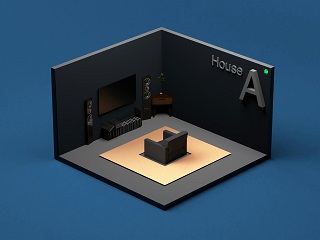
Understanding the Importance of Furniture Layout
The furniture layout in a small living room plays a pivotal role in shaping the overall functionality and atmosphere of the space. In spaces where square footage is limited, thoughtful arrangement becomes essential to maximize the available area. A well-considered furniture layout not only conserves space but also enhances the room’s usability, allowing residents and guests to navigate effortlessly. By strategically placing furniture, one can create distinct zones for various activities, such as relaxing, entertaining, or working. For instance, a small sofa coupled with an accent chair can foster conversation while maintaining an open flow. It is crucial to ensure that pathways remain clear, as this promotes a sense of freedom and reduces feelings of overcrowding, often prevalent in compact rooms.
Moreover, the visual impact of a well-arranged living room can significantly affect the psychological well-being of its inhabitants. A clutter-free and organized space tends to elevate moods and fosters a sense of calmness. It promotes order, suggesting to the mind that the environment is controlled and welcoming. On the contrary, a poorly arranged living space can lead to feelings of chaos and discomfort, which can hinder relaxation.
Incorporating multifunctional furniture, such as ottomans with storage or extendable tables, further amplifies the benefits of a thoughtful furniture layout. These pieces not only save space but also adapt to the varying needs of the household, proving that even in small areas, elegance and practicality can coexist harmoniously. Overall, being mindful of the furniture arrangement in small living rooms can significantly enhance the quality of life for its residents, making it a critical consideration in interior design.
Measuring Your Small Living Room
Understanding the dimensions of your small living room is a fundamental step in optimizing the furniture layout. Accurate measurements allow you to make informed decisions about what furniture will fit and how it should be arranged to maximize the use of space. To begin, have a measuring tape at hand and follow these steps for a successful assessment.
First, measure the length and width of the room. This will provide you with the essential dimensions needed to visualize how different pieces of furniture can fit into the space. Be sure to record these measurements in feet or inches for future reference. Next, take note of any architectural features, such as windows, doors, and built-ins. These features can significantly affect your furniture arrangement. Mark these on your layout plan to help you visualize the flow of movement as you position your furniture.
Additionally, consider the ceiling height, as this can impact your choice of furniture. Tall bookcases or vertical storage units can draw the eye upwards, making a small room feel larger. However, if your ceiling is low, it may be wise to select lower-profile items that won’t overwhelm the space.
Finally, assess the flow of movement in the room. Ensure that pathways between furniture pieces are clear and that the arrangement allows for easy navigation. A well-measured room will help you identify any potential bottlenecks that could disrupt the natural flow.
Accurate measurements are fundamental for effective planning, enabling you to select furniture that complements your small living room while ensuring it remains functional and accessible.
Choosing Multi-Functional Furniture
In small living rooms, maximizing available space is a priority, making the choice of furniture pivotal. Multi-functional furniture serves as an innovative solution to enhance utility without compromising on style. By selecting pieces that offer multiple purposes, homeowners can optimize their living space effectively.
Sofa beds are an excellent choice for small living areas, providing both seating and sleeping options. During the day, they function as a comfortable couch for lounging or entertaining guests. At night, they transform into a cozy bed, accommodating overnight visitors without needing additional space for separate bedding. This dual functionality ensures that even the smallest rooms can be versatile and welcoming.
Storage ottomans represent another exceptional example of multi-functional furniture. These pieces not only offer a footrest or additional seating but also provide concealed storage. Items such as blankets, magazines, or even games can be neatly tucked away, maintaining a clutter-free environment. Incorporating storage ottomans into the room’s design can create an organized space while enhancing comfort and aesthetic appeal.
Nesting tables are similarly advantageous, as they can be arranged in various configurations based on the need. When entertaining guests, they can be pulled apart to allow for additional surface area without permanently occupying extra space. When not in use, they can be stacked neatly together, freeing up the floor area for movement. Such flexibility in furniture arrangement can make a significant difference in a small room.
Incorporating multi-functional furniture pieces not only elevates the design of small living rooms but also ensures optimal utilization of every square inch. By thoughtfully selecting furniture that can adapt to various uses, homeowners can create a harmonious and functional living space that meets all their needs.
Creating Zones in Your Small Living Room
In small living rooms, effectively creating distinct zones can significantly enhance functionality while maintaining an open and spacious feel. By utilizing various design techniques such as area rugs, lighting, and smart furniture arrangements, homeowners can delineate specific areas without overwhelming the available space.
One of the most effective ways to create zones is through the use of area rugs. By placing rugs in different sections, such as under the coffee table or in a reading nook, you can visually separate the spaces and define their purposes. Choosing rugs that vary in texture and color can accentuate these divisions while also adding warmth and character to your small living room.
Lighting serves as another crucial element in establishing zones. By incorporating a combination of overhead fixtures, floor lamps, and table lamps, areas can be illuminated differently according to their intended use. For instance, a cozy reading nook can benefit from a soft, warm lamp, while the main seating area can be brighter to facilitate social interactions. This strategic use of lighting not only differentiates spaces but also enhances the overall ambiance of the room.
Moreover, the arrangement of furniture plays a vital role in defining distinct zones. Placing sofas and chairs in intimate groupings establishes a seating area that invites conversation, whereas positioning a small desk in a corner can create a functional workspace. Choosing multi-functional furniture, such as ottomans that double as storage, also maximizes utility while maintaining a streamlined appearance.
Finally, maintaining visual balance and flow is essential to avoid clutter. Ensuring that each zone has adequate space around it fosters a sense of harmony and movement throughout the room. By implementing these strategies, you can transform your small living room into an organized and inviting space, achieving the perfect blend of style and practicality.
Maximizing Vertical Space
In small living rooms, it is crucial to utilize every available inch, especially when it comes to vertical space. By focusing on the vertical dimensions of a room, homeowners can create a sense of openness while simultaneously maximizing storage options. One effective strategy is the use of tall shelves. These units not only draw the eye upward, making the room feel more spacious, but they also provide ample storage for books, decorative items, or even potted plants.
In addition to tall shelving, consider incorporating wall-mounted storage solutions. These can include floating shelves, wall cabinets, or even pegboards, providing a stylish and functional way to keep items off the floor. These installations not only optimize space but also add an element of design that complements the overall decor of the living room. Choosing shelving and storage that matches the room’s color scheme can enhance the illusion of space, as it creates a seamless flow from the walls to the furnishings.
Vertical decor is another effective tool for maximizing vertical space in small living rooms. Vertical artwork or tall mirrors can create the impression of height and depth, pulling the focus upward rather than outward. Vertical gardens made of potted plants can also be an exciting addition, bringing in natural elements while emphasizing the vertical lines present in the space.
By incorporating these strategies to maximize vertical space, small living rooms can significantly benefit from a more open feel. Utilizing tall shelves, wall-mounted storage, and vertical decor can free up valuable floor space while enhancing the overall atmosphere of the room. The key is to think vertically; doing so will transform a cramped living area into a more inviting and comfortable environment.
Choosing the Right Color Palette
The color palette plays a crucial role in shaping the ambiance of any room, particularly in small living areas where space is limited. A well-thought-out choice of colors can significantly influence how spacious a room feels. For small living rooms, it is generally advisable to opt for lighter and neutral tones. Light colors, such as pale whites, soft beiges, and subtle grays, reflect natural light, creating an illusion of openness and airiness. These shades can amplify the spatial perception, making the room feel less confined and more welcoming.
In addition to light hues, incorporating pops of color through accessories can be an effective strategy to inject character into the space. Decorative elements like cushions, curtains, and artwork can serve as focal points without overwhelming the overall aesthetic. Bright colors, such as vibrant reds or rich blues, used sparingly, can draw attention to specific areas and break the monotony of a neutral palette.
Using paint and textiles wisely also plays a significant role in enhancing the desired atmosphere. When selecting paint, consider extending the wall color onto the ceiling to blur the lines and elevate the height perception. Textiles, such as area rugs or upholstered furniture, should complement the color scheme while offering visual interest. When utilized thoughtfully, the right color palette can build cohesion and harmony in the environment, allowing for a balance between aesthetic appeal and functional living.
Overall, a strategic color palette is pivotal in transforming a small living room. By embracing lighter tones and judiciously introducing color through accessories, residents can create a vibrant, spacious atmosphere that reflects their personal style while maximizing the potential of compact living spaces.
Furniture Arrangement Tips
When it comes to small living rooms, optimizing furniture arrangement is crucial for maximizing space while maintaining comfort and functionality. Different layouts can create distinct atmospheres and cater to various needs. Here are a few effective furniture arrangement strategies to consider.
The L-shaped layout is a popular choice, particularly for smaller living spaces. This arrangement involves placing two sofas or chairs at a right angle, which effectively utilizes corners and offers a cozy seating area. It creates an inviting atmosphere for conversation while allowing for easy movement throughout the room. Additionally, consider using a small coffee table or ottoman in the center to enhance accessibility and comfort.
A U-shaped layout is another excellent option for small living rooms, as it promotes interaction among seated individuals. This configuration typically includes three seating pieces that form a ‘U’ shape, creating a natural gathering spot. The U-shape invites conversation and helps define the seating area. However, it is essential to leave sufficient space for foot traffic, making sure that the flow of the room remains unobstructed.
Conversational layouts focus on creating an intimate environment that encourages dialogue. This arrangement typically involves grouping chairs and sofas closer together, rather than pushing them against walls. A round or oval coffee table can enhance this layout, allowing for easy reaching and interaction among guests. It’s important to maintain an open feeling in the room by avoiding overcrowding and keeping essential pathways clear.
Each of these furniture arrangements has its advantages and considerations. Depending on your style preferences and the specific characteristics of your small living room, you may choose the arrangement that best meets your lifestyle and design goals. Visualizing these layouts through diagrams can further aid in making an informed decision.
Incorporating Smart Storage Solutions
When dealing with small living rooms, efficient storage solutions are key to maintaining an organized and visually appealing space. Cleverly designed furniture can significantly enhance storage capacity without compromising style. One notable idea is the use of built-in shelving units. These can be customized to fit the exact dimensions of your living area and can serve multiple purposes, such as displaying books, decorative items, or even housing electronic components, all while optimizing vertical space.
Another effective strategy involves utilizing under-sofa storage. Many sofas are now designed with hidden compartments or can accommodate storage boxes. This often-overlooked area is perfect for stashing away blankets, magazines, or toys, making your space tidy and clutter-free. Items kept under the sofa remain out of sight but easily accessible, which helps to make the room more functional.
In addition to built-ins and under-sofa options, incorporating decorative boxes or stylish baskets brings both beauty and organization to your living room. These can be placed on shelves or even as coffee table centerpieces, providing a dual purpose: organization and decoration. Selecting cohesive designs and colors can enhance the overall aesthetic of the room while keeping items like remote controls, children’s toys, or miscellaneous clutter neatly contained.
By thoughtfully combining these smart storage solutions into your small living room layout, you can create a more spacious atmosphere that is both practical and attractive. Prioritizing storage doesn’t mean sacrificing style; rather, it allows for a harmonious blend of function and design that is essential in compact living environments.
Personalizing Your Small Living Room
When designing small living rooms, personalization plays a pivotal role in creating a space that is not only functional but also uniquely reflective of one’s individual style. To achieve an inviting atmosphere, it is essential to incorporate personal items and decor that resonate with you while ensuring the design remains cohesive and practical.
Start by selecting key pieces that hold significance, such as family photos, travel souvenirs, or cherished artwork. These personal Items can be displayed on shelves, walls, or prominent surfaces. It is important to curate these displays thoughtfully to avoid overcrowding, which can make a small living room feel even more cramped. Instead, choose a few focal points that tell a story, showcasing your personality without overwhelming the overall aesthetic.
Incorporating art into the small living room can also enhance the personalization of the space. Consider using a gallery wall featuring a mix of framed photographs and artwork that highlights your taste. Art not only adds character but can also serve as an excellent conversation starter when guests visit. Select pieces that harmonize with your color scheme and furniture layout, ensuring the overall design remains balanced.
Decorative accents such as cushions, throws, and rugs can further contribute to the personalization of the living room. Opt for textiles and patterns that align with your personal style while providing comfort and warmth. This balance helps to maintain functionality, emphasizing coziness alongside aesthetic appeal. Aim for a cohesive color palette that integrates your personal items with existing furniture and decor for a unified look.
Ultimately, personalizing your small living room should be an enjoyable process. By concentrating on elements that truly represent you, while being mindful of the space’s limitations, you can create a harmonious environment that is both stylish and functional.