

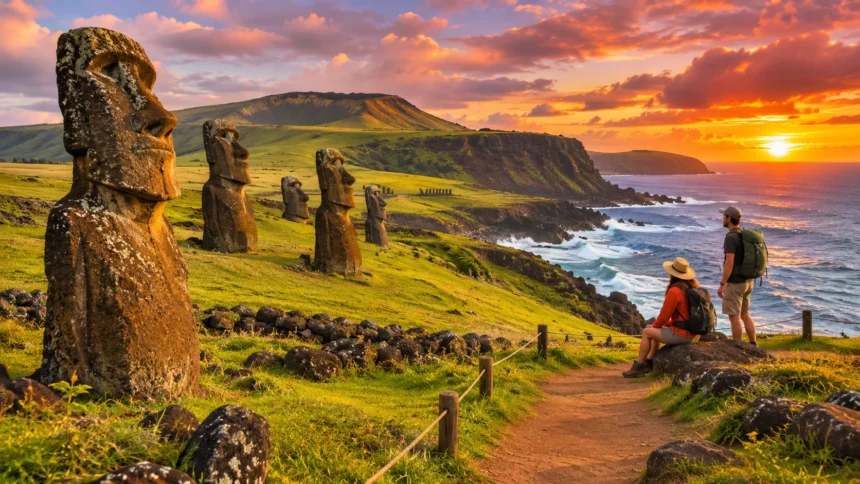
Isla de Pascua, also known as Easter Island or Rapa Nui, is one of the world’s most fascinating and remote travel destinations. Located in the southeastern Pacific Ocean, this Chilean island is famous for its mysterious moai statues, volcanic landscapes, and remarkable Polynesian heritage. Its combination of ancient history, dramatic coastlines, and unique traditions makes it an unforgettable destination for adventurous travelers.
Whether you want to explore archaeological sites, discover hidden caves, relax on tropical beaches, or learn about Indigenous culture, Isla de Pascua offers extraordinary experiences. However, visiting this remote island requires thoughtful planning because transportation, accommodation, and national park access follow specific arrangements. This guide explores its must-see attractions, lesser-known destinations, travel seasons, and essential tips for a memorable journey.
Where Is Isla de Pascua and Why Is It Famous?
Isla de Pascua is a volcanic island belonging to Chile, situated approximately 3,500 kilometers west of mainland South America. Its remote location makes it one of the most isolated inhabited islands in the world. The island covers roughly 164 square kilometers and features rolling volcanic hills, rugged cliffs, and dramatic ocean views.
The island is internationally recognized for its moai, enormous stone figures created by the Indigenous Rapa Nui people. Hundreds of these sculptures remain across the landscape, reflecting the creativity, engineering knowledge, and cultural traditions of earlier generations. Many were placed on ceremonial platforms called ahu, which held important significance within ancestral communities.
Beyond its archaeological importance, Rapa Nui is home to a living Polynesian culture with its own language, music, dances, and traditions. The island’s cultural heritage is closely connected to its landscapes and ancestral sites. Understanding this connection helps visitors appreciate the destination beyond its famous statues and recognize the importance of responsible tourism.
Discover the Famous Moai Statues at Ahu Tongariki
Ahu Tongariki is one of the most impressive archaeological attractions on Easter Island. Located along the southeastern coast, this ceremonial platform features fifteen restored moai standing in a remarkable row. Their enormous stone figures create an unforgettable scene against the surrounding green hills and the blue waters of the Pacific Ocean.
Sunrise is a particularly memorable time to experience Ahu Tongariki because changing morning light creates beautiful silhouettes across the ancient statues. Photographers often appreciate the dramatic atmosphere created by the landscape and early sunlight. However, visiting arrangements must follow national park rules, including the requirement for an accredited local guide.
Ahu Tongariki also provides valuable insight into the island’s history and cultural preservation efforts. The ceremonial platform underwent major restoration after earlier damage, including the effects of a tsunami. Exploring the site with a knowledgeable guide helps visitors understand the significance of the statues while respecting the archaeological environment.
Explore Rano Raraku, the Ancient Moai Quarry
Rano Raraku is one of the most important historical locations on Isla de Pascua because it served as the primary quarry for carving moai statues. The volcanic slopes contain hundreds of stone figures in different stages of completion. Some stand partially buried in the hillside, creating a remarkable landscape unlike anywhere else.
Walking through authorized viewing areas allows visitors to observe how the sculptures were shaped from volcanic rock. The unfinished statues provide clues about the techniques and organization involved in their construction. Their different sizes and positions make the quarry especially fascinating for travelers interested in archaeology and ancient craftsmanship.
The site also features a volcanic crater containing a freshwater lake, surrounded by distinctive geological formations. Access to specific areas depends on current conservation regulations and designated visitor routes. Because Rano Raraku is particularly sensitive, travelers must arrange the required park ticket and accredited guide before visiting.
Visit Orongo and the Spectacular Rano Kau Volcano
Orongo is an ancient ceremonial village located near the rim of the Rano Kau volcanic crater. The site is closely associated with the historical birdman tradition, known as Tangata Manu, which played an important role in Rapa Nui society. Its stone structures and surrounding landscapes offer a fascinating perspective on the island’s cultural history.
The nearby Rano Kau crater is one of Easter Island’s most impressive natural features. Its enormous volcanic basin contains vegetation and a crater lake, creating a dramatic contrast with the surrounding ocean. Designated viewpoints offer spectacular opportunities to appreciate the island’s volcanic origins and striking geological scenery.
Exploring Orongo with a qualified local guide helps visitors understand the ceremonial traditions associated with the area. The terrain includes exposed coastal sections where strong winds can occur. Staying on authorized pathways and respecting restricted areas protects both visitors and the fragile archaeological remains.
Relax on the Beautiful Anakena Beach
Anakena Beach is one of the most beautiful coastal attractions on Easter Island, known for its pale sand, turquoise water, and surrounding palm trees. Unlike much of the island’s rocky coastline, Anakena offers a sandy shoreline suitable for relaxing and enjoying tropical scenery. Its peaceful atmosphere makes it particularly attractive after visiting archaeological sites.
The beach also has significant cultural importance because Rapa Nui oral traditions connect it with the arrival of early Polynesian settlers. Nearby ceremonial platforms, including Ahu Nau Nau, feature impressive moai statues. These historical elements create a distinctive setting where visitors can appreciate beautiful natural surroundings alongside the island’s cultural heritage.
Swimming may be possible when conditions are suitable, but visitors should always follow local safety advice. Ocean currents, waves, and changing weather can affect beach conditions throughout the year. Travelers should also avoid touching archaeological structures or entering protected areas while exploring the surrounding landscape.
Discover Hidden Caves and Volcanic Tunnels
The volcanic origins of Isla de Pascua created remarkable underground formations, including lava tubes and coastal caves. These natural features provide a different perspective on the island’s geology and traditional land use. Some caves also hold cultural importance because they were connected with historical activities and local traditions.
Ana Kakenga, commonly called the Cave of Two Windows, is among the island’s most fascinating geological attractions. Its openings provide dramatic views toward the Pacific Ocean, while other cave systems reveal the effects of ancient volcanic activity. These locations are best explored through authorized guided excursions rather than independent entry.
Caves can contain unstable surfaces, steep drops, poor lighting, and restricted passages, making professional guidance essential. Some areas are closed or subject to specific conservation requirements. Travelers should follow park regulations and avoid entering unfamiliar underground spaces, even when an opening appears easily accessible.
Experience the Hidden Beauty of Ahu Akivi
Ahu Akivi is a fascinating archaeological site featuring seven restored moai statues positioned together on a ceremonial platform. Located inland rather than directly along the coastline, the site offers a different setting from many famous coastal monuments. Its surrounding fields and distant ocean views create an atmosphere that feels peaceful and historically significant.
The statues at Ahu Akivi are often noted for their orientation toward the sea, unlike many other prominent moai platforms. Their positioning has attracted considerable interest from researchers and visitors. A local guide can explain the site’s archaeological background and discuss interpretations of its placement without presenting uncertain theories as established facts.
Ahu Akivi is a worthwhile destination for travelers who want to explore beyond the island’s most photographed monuments. Its relatively open landscape provides excellent opportunities to appreciate the surrounding countryside. Combining this attraction with other authorized inland archaeological visits can create an informative and enjoyable day of sightseeing.
Explore Hanga Roa and Local Rapa Nui Culture
Hanga Roa is the island’s main town and the center of most visitor services. It contains accommodation, restaurants, shops, and transportation providers, making it a convenient base for exploring Isla de Pascua. The town also provides opportunities to experience daily life and discover the traditions of the local Rapa Nui community.
Visitors can explore small markets, enjoy traditional food, and learn about local arts and crafts. Cultural performances may feature Polynesian music and dance, reflecting the island’s distinctive heritage. Supporting locally owned businesses can help direct tourism benefits toward residents while encouraging meaningful cultural exchanges.
The coastline near Hanga Roa also offers attractive sunset viewpoints and opportunities to observe the surrounding ocean. The Tahai ceremonial complex is particularly well known for its beautiful evening scenery. Visitors should follow site access rules and treat archaeological remains with care, even when attractions appear close to town.
Visit Lesser-Known Archaeological Sites and Coastal Views
Beyond the famous moai locations, Easter Island contains numerous archaeological sites and natural viewpoints. Ahu Akahanga and Vaihu provide opportunities to observe fallen moai, historic platforms, and landscapes that reveal different aspects of the island’s past. These locations demonstrate that Rapa Nui history extends far beyond its restored monuments.
The Vinapu area is another interesting archaeological destination, especially for visitors fascinated by ancient stone construction. Its carefully fitted stonework has attracted attention because of its distinctive appearance. However, interpretations of historical construction methods should be based on credible archaeological evidence rather than sensational claims about unexplained civilizations.
Many lesser-known sites are located within protected areas and require an authorized guide for access. Visiting them responsibly can provide a deeper understanding of cultural heritage while reducing pressure on heavily visited attractions. Travelers should follow approved routes and never remove stones, artifacts, or other materials from archaeological locations.
When Is the Best Time to Visit Isla de Pascua?
The best time to visit Isla de Pascua depends on weather preferences, cultural interests, and available travel dates. The island experiences a subtropical climate with relatively mild temperatures throughout the year. Rainfall can occur in every season, making flexible outdoor plans useful regardless of the month.
December through March is generally warmer and popular with travelers seeking outdoor activities and beach experiences. February is especially interesting because of Tapati Rapa Nui, a major cultural festival celebrating local traditions. However, popular festival periods can increase demand for accommodations and transportation, making advance planning particularly important.
April, May, September, and October can also be attractive for visitors seeking comfortable sightseeing conditions. The cooler winter months generally offer quieter surroundings, although rainfall and wind remain possible. Checking weather forecasts and seasonal travel availability helps visitors choose a period that matches their preferred activities.
How to Get to Easter Island and Entry Requirements
Most visitors reach Easter Island by flying from Santiago, Chile, to Mataveri International Airport near Hanga Roa. Direct flights generally take around five and a half hours, depending on operating conditions. Because the island is remote and flight availability can be limited, arranging transportation well in advance is recommended.
Travelers must also comply with Chile’s special entry requirements for Rapa Nui. Tourists generally need an approved entry form, a return ticket within the permitted visiting period, and accommodation registered with SERNATUR or an accepted invitation. Tourist stays are normally limited to thirty days, although individual circumstances and legal exceptions may differ.
Visiting Rapa Nui National Park requires a separate entrance ticket and an accredited guide for regulated archaeological sites. Rules may differ between particular locations, and ticket validity or entry limits can change. Travelers should verify official requirements before departure rather than relying entirely on older travel articles or informal advice.
Where to Stay and How to Travel Around the Island
Most visitors choose accommodations in Hanga Roa because the town provides convenient access to restaurants, transport services, and tour operators. Available options include guesthouses, small hotels, and locally managed lodgings. Accommodation standards and prices vary, making it useful to review facilities and confirm bookings before arrival.
Traveling around Easter Island often involves organized tours, rental vehicles, or arranged transportation. Roads connect several important attractions, although some routes require additional care because of weather and surface conditions. Visitors should remember that access to protected archaeological sites remains subject to park rules regardless of their transportation choice.
A well-planned itinerary allows time for archaeological visits, cultural activities, and coastal scenery without rushing between destinations. Four to five days can provide a useful introduction to major attractions, while longer stays allow more flexibility. Booking accredited guides early helps ensure that important protected sites can be visited according to current regulations.
Essential Travel Tips for a Responsible Visit
Responsible tourism is particularly important on Isla de Pascua because of its fragile archaeological heritage and isolated environment. Visitors should remain on designated paths, respect cultural restrictions, and avoid touching moai statues or ceremonial platforms. Even seemingly minor damage can affect structures that hold extraordinary historical and cultural significance.
Packing suitable clothing also improves travel comfort. Lightweight layers, sun protection, comfortable walking shoes, and a waterproof jacket are useful because coastal weather can change quickly. Travelers should carry drinking water during authorized excursions and follow local guidance when visiting exposed cliffs, beaches, and volcanic landscapes.
Planning expenses in advance can also help because imported goods and services may cost more than on mainland Chile. Carrying a suitable payment method and confirming available facilities reduces unnecessary difficulties. Learning about Rapa Nui culture and supporting local services can make the journey more rewarding while respecting the community that calls the island home.
Conclusion
Isla de Pascua is an extraordinary destination where ancient history, Polynesian culture, and dramatic natural landscapes come together. Its famous moai statues, volcanic craters, beautiful beaches, and fascinating archaeological sites provide unforgettable experiences. Exploring both well-known landmarks and lesser-visited locations reveals the island’s remarkable cultural and environmental diversity.
The best travel experiences involve more than photographing impressive stone statues. Visiting with knowledgeable local guides, learning about Rapa Nui traditions, and respecting protected areas provide a deeper understanding of the island’s significance. Choosing suitable travel dates and arranging essential reservations can also make the journey more comfortable.
Whether you are interested in archaeology, photography, nature, or cultural exploration, Easter Island offers an experience unlike most other destinations. Its remote location requires careful preparation, but the opportunity to discover its landscapes and living traditions makes the effort worthwhile. Responsible travel helps ensure that future generations can continue appreciating this remarkable Pacific island.
Frequently Asked Questions (FAQs)
Is Isla de Pascua worth visiting?
Yes, Isla de Pascua is worth visiting for its famous moai statues, volcanic landscapes, beautiful beaches, and unique Polynesian culture. It is particularly appealing to travelers interested in archaeology, history, and remote natural destinations.
How many days do you need on Easter Island?
Four to five days are generally suitable for exploring major archaeological sites, enjoying coastal scenery, and discovering local culture. Additional days provide more flexibility for guided activities, unexpected weather changes, and relaxed sightseeing.
What is the best month to visit Isla de Pascua?
February is popular because of the Tapati Rapa Nui cultural festival and warm summer conditions. However, April, September, and October can also offer enjoyable sightseeing opportunities with potentially fewer visitors.
Can you explore Easter Island without a guide?
Visitors can explore some public areas independently, but regulated archaeological sites within Rapa Nui National Park generally require an accredited guide. Travelers must also obtain the appropriate park ticket and follow current access regulations.
Why are the moai statues on Easter Island famous?
The moai are famous for their enormous size, distinctive appearance, and cultural significance. Created by the Indigenous Rapa Nui people, these stone figures reflect ancestral traditions, remarkable craftsmanship, and the island’s extraordinary archaeological heritage.