

Why Take a Tour of Italy?
A tour of Italy offers an unforgettable combination of ancient history, beautiful landscapes, world-famous art, and delicious food. From the historic streets of Rome to the romantic canals of Venice, every destination has something special to discover. First-time visitors can explore impressive landmarks, charming villages, and breathtaking coastlines. Italy’s diverse attractions make it one of Europe’s most rewarding travel destinations.
Italy is known for its rich cultural heritage and distinctive regional traditions. Cities such as Florence, Rome, and Milan showcase different aspects of Italian architecture, art, and everyday life. Meanwhile, coastal destinations and countryside villages offer opportunities for relaxation and scenic exploration. Traveling between these locations allows visitors to experience the country’s remarkable variety.
Planning your first Italy trip can feel overwhelming because there are so many places worth visiting. However, choosing a realistic itinerary makes the experience more enjoyable. Focus on destinations that match your interests and available time. A well-organized journey helps you explore Italy’s highlights without spending most of your vacation rushing between attractions.
How to Plan Your First Italy Tour
Planning an Italy travel itinerary begins with deciding how many days you can spend exploring the country. A seven-day trip may include two or three major cities, while a longer vacation provides opportunities for countryside excursions. Consider your budget, transportation preferences, and sightseeing priorities. These details help create a practical schedule that balances exploration with relaxation.
First-time travelers often choose Rome, Florence, and Venice because these cities offer a strong introduction to Italian history and culture. They are also connected by convenient railway services. Visitors interested in beaches may prefer adding southern Italy or coastal destinations. Selecting a few nearby locations reduces unnecessary travel and allows more time for memorable experiences.
Accommodation and transportation should be arranged around your chosen route. Booking major attractions ahead of time can be useful during busy seasons. Leave space in your itinerary for spontaneous discoveries, meals, and unexpected delays. A flexible plan makes travel less stressful while helping you enjoy the attractions that matter most to you.
Explore Rome: The Eternal City
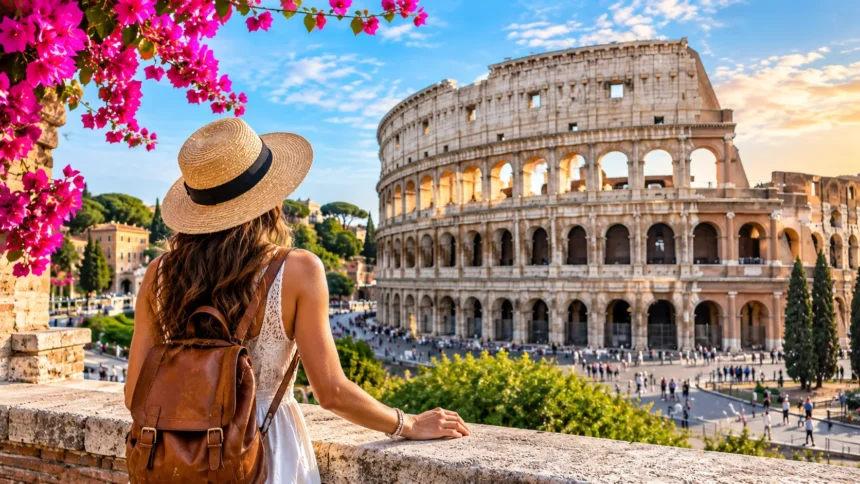
Rome is an excellent starting point for a first-time tour of Italy. The capital is filled with ancient monuments, historic neighborhoods, and impressive public squares. Visitors can explore the Colosseum, Roman Forum, and Pantheon while learning about the city’s fascinating past. Walking through Rome often feels like exploring an outdoor museum filled with remarkable architectural details.
The Colosseum is among the city’s most recognizable attractions. Nearby, the Roman Forum contains remains of temples, public buildings, and important spaces from ancient Roman life. Visitors can explore both attractions during a planned sightseeing day. Comfortable walking shoes and advance reservations are helpful because popular archaeological sites can become crowded.
Rome also offers beautiful fountains, traditional restaurants, and lively neighborhoods. The Trevi Fountain and Piazza Navona are popular places to experience the city’s atmosphere. Trastevere provides attractive streets and opportunities to discover local dining traditions. Spending at least three days in Rome allows visitors to explore important landmarks without rushing through every experience.
Discover Vatican City and Its Famous Attractions
Vatican City is an independent city-state located within Rome and is famous for its religious, artistic, and historical significance. It contains remarkable architecture and internationally recognized collections of artwork. Visitors can explore St. Peter’s Basilica and the Vatican Museums. These attractions offer an important introduction to centuries of European art and cultural history.
St. Peter’s Basilica is particularly impressive because of its enormous interior and elaborate architectural details. The Vatican Museums contain extensive collections of sculptures, paintings, and historical artifacts. The Sistine Chapel is especially famous for its ceiling painted by Michelangelo. Visitors should allow sufficient time to appreciate these attractions rather than planning a rushed visit.
A Vatican sightseeing day requires some advance preparation. Popular museum tickets can sell out during busy travel periods, making early reservations helpful. Modest clothing is required in certain religious spaces. Checking entry requirements, opening hours, and visitor rules before arrival helps create a comfortable and respectful sightseeing experience.
Visit Florence: The Heart of the Renaissance
Florence is one of Italy’s most beautiful cultural destinations and a major highlight of any first-time itinerary. The city is famous for Renaissance art, historic architecture, and charming streets. Its compact historic center makes many attractions accessible on foot. Visitors can explore important museums, admire impressive churches, and enjoy traditional Tuscan food.
The Cathedral of Santa Maria del Fiore, commonly called the Florence Duomo, dominates the city’s skyline. Its remarkable dome is one of Florence’s most recognizable architectural features. The Uffizi Gallery contains masterpieces associated with prominent Renaissance artists. The Accademia Gallery is also popular because it houses Michelangelo’s famous sculpture of David.
Beyond major attractions, Florence offers scenic bridges, local markets, and attractive viewpoints. Ponte Vecchio is particularly recognizable because of the shops built along the historic bridge. Piazzale Michelangelo provides panoramic views across the city. Spending two or three days in Florence gives travelers time to discover both celebrated landmarks and quieter neighborhood experiences.
Explore Tuscany and Its Beautiful Countryside
Tuscany is famous for its rolling hills, historic towns, olive groves, and picturesque rural landscapes. The region surrounds Florence and offers a different experience from Italy’s busy cities. Visitors can explore medieval villages, traditional farms, and beautiful countryside viewpoints. Its peaceful atmosphere makes Tuscany a rewarding addition to a longer Italian vacation.
Siena is one of the region’s most attractive historic cities. Its famous Piazza del Campo and impressive cathedral provide opportunities for cultural sightseeing. San Gimignano is another popular destination, known for its medieval towers and beautiful surroundings. These towns allow travelers to experience traditional Tuscan architecture and explore streets filled with local character.
The countryside is also ideal for relaxed scenic journeys. Visitors can discover small villages, enjoy regional dishes, and admire landscapes that change throughout the seasons. Rental cars or organized day tours may be useful for reaching smaller destinations. Choosing a few nearby towns helps create a comfortable itinerary without spending excessive time on the road.
Experience Venice and Its Romantic Canals
Venice is one of the most distinctive destinations in Italy because its historic center is built across a group of islands connected by canals and bridges. The city offers beautiful architecture, historic landmarks, and a unique atmosphere. Travelers can explore narrow pedestrian streets and waterfront squares. Its unusual setting makes Venice especially memorable for first-time visitors.
St. Mark’s Square is one of Venice’s most famous attractions. The surrounding area includes St. Mark’s Basilica and the Doge’s Palace, both known for remarkable architectural details. The Rialto Bridge provides another recognizable sightseeing location overlooking the Grand Canal. Exploring these landmarks offers a fascinating introduction to Venetian history and culture.
A traditional gondola ride is a popular way to experience Venice’s waterways, although public water buses provide a practical alternative. Visitors can also explore quieter neighborhoods away from the busiest streets. Spending two days in Venice allows time for sightseeing and relaxed wandering. Travelers should check applicable visitor access rules before arriving.
Discover Naples and the Ancient City of Pompeii
Naples is a lively southern Italian city known for its history, distinctive architecture, and famous culinary traditions. Its historic center features narrow streets, churches, and traditional shops. The city also serves as a convenient starting point for exploring nearby archaeological attractions. Visitors interested in history and local culture may find Naples particularly rewarding.
Pompeii is one of the most important archaeological sites near Naples. The ancient Roman city was buried following the eruption of Mount Vesuvius in AD 79. Today, visitors can explore preserved streets, buildings, and public spaces that reveal aspects of everyday Roman life. The large site requires comfortable footwear and sufficient time for exploration.
Naples also offers wonderful opportunities to experience traditional Italian food. The city is particularly famous for Neapolitan pizza, which remains an important part of its culinary identity. Travelers can explore historic neighborhoods and local markets between sightseeing activities. Combining Naples with Pompeii creates a memorable introduction to southern Italy.
Visit the Amalfi Coast for Beautiful Coastal Views
The Amalfi Coast is one of Italy’s most celebrated coastal destinations. Located in southern Italy, it is known for dramatic cliffs, colorful buildings, and beautiful Mediterranean scenery. Towns such as Positano, Amalfi, and Ravello attract visitors seeking scenic landscapes. The region is especially appealing for travelers who enjoy photography and relaxed seaside experiences.
Positano is recognized for its colorful buildings rising above the coastline. Amalfi offers historic streets and an impressive cathedral, while Ravello is famous for its elevated views. Visitors can explore these towns through local transportation or suitable organized excursions. Travel between destinations may take longer during busy periods because coastal roads are narrow.
The Amalfi Coast works particularly well as an addition to a longer Italy itinerary. Travelers can enjoy coastal walks, local restaurants, and scenic viewpoints. Spring and early autumn may provide pleasant conditions with fewer crowds than peak summer. Planning transportation carefully helps make the coastal experience more comfortable and enjoyable.
How to Travel Around Italy by Train
Italy has an extensive railway network connecting many of its major cities and regional destinations. High-speed trains provide convenient transportation between locations such as Rome, Florence, Venice, Naples, and Milan. Train travel often eliminates the need to drive through unfamiliar city centers. It is particularly practical for first-time travelers following a classic sightseeing route.
High-speed services can connect Rome and Florence in approximately one and a half hours. Florence and Venice can also be reached by direct trains in roughly two hours on suitable services. Travel times depend on the train and schedule. Regional trains provide additional connections to smaller towns, although journeys may require transfers.
Booking popular long-distance routes ahead can sometimes provide better fares and more departure choices. Travelers should check station names carefully because some cities have multiple railway stations. Keep luggage manageable and allow enough time to board. Train transportation offers a practical way to explore several Italian destinations without renting a vehicle.
Try Traditional Italian Food During Your Trip
Italian cuisine is an important part of the country’s cultural identity. Different regions have distinctive recipes, ingredients, and cooking traditions. Visitors can enjoy pasta, pizza, risotto, fresh seafood, and regional specialties. Exploring local restaurants provides opportunities to discover how Italian food changes between cities and different parts of the country.
Rome is known for traditional pasta dishes such as carbonara and cacio e pepe. Naples is famous for its pizza, while Florence offers Tuscan specialties including ribollita and regional breads. Northern Italy has its own traditions involving risotto and filled pasta. Trying local dishes helps make the travel experience more memorable.
Food markets and neighborhood restaurants can also provide enjoyable cultural experiences. Travelers may discover fresh produce, traditional cheeses, pastries, and handmade products. Choosing restaurants that clearly display menus and prices helps avoid confusion. Taking time to enjoy meals offers a welcome break between museums, historical landmarks, and busy sightseeing days.
Best Time of Year for a Tour of Italy
The best time to visit Italy depends on your preferred activities and the regions included in your itinerary. Spring and autumn are generally attractive for sightseeing because temperatures are often milder than in midsummer. Many travelers enjoy visiting during April, May, September, and October. However, weather conditions vary considerably across the country.
Summer is popular for coastal holidays, island visits, and outdoor dining. July and August can bring high temperatures and large crowds to major tourist destinations. Hotel rates may also increase in popular areas. Travelers visiting during summer should plan outdoor sightseeing thoughtfully and reserve important accommodations or attractions ahead of time.
Winter offers a different Italian travel experience. Cities such as Rome, Florence, and Venice remain interesting destinations, although daylight hours are shorter and weather can be colder. Alpine regions attract visitors interested in winter scenery and seasonal recreation. Choosing travel dates according to your interests helps create a more enjoyable vacation.
How to Plan a 10-Day Italy Itinerary
A ten-day tour of Italy can provide a wonderful introduction to the country’s major highlights. Begin with three days in Rome to explore the Colosseum, Roman Forum, Vatican City, and historic neighborhoods. This gives visitors time to discover important landmarks without rushing. Rome also provides convenient transportation connections to other major destinations.
Continue to Florence for three days of Renaissance art, historic architecture, and traditional Tuscan experiences. Spend two days exploring Florence itself, including its famous cathedral and museums. Use the remaining day for a countryside excursion or nearby historic town. This approach offers a combination of urban sightseeing and regional exploration.
Finish the journey with three days in Venice, including arrival and departure arrangements. Explore St. Mark’s Square, the Grand Canal, and quieter neighborhoods. Travelers may also consider a short excursion to nearby islands when time permits. With an additional transfer or departure day, this route creates a balanced first-time Italian vacation.
How to Save Money on Your First Italy Trip
Traveling through Italy does not necessarily require an extravagant budget. Accommodation, transportation, food, and attraction tickets are usually the largest expenses. Choosing travel dates outside the busiest summer period may help reduce some costs. Comparing options before booking allows visitors to find arrangements that match their financial preferences.
Public transportation can be more economical than relying on taxis for every journey. Regional trains and local buses provide useful connections in many areas. Travelers can also enjoy affordable meals at casual restaurants and bakeries. Exploring historic streets, public squares, and scenic viewpoints offers memorable experiences without always requiring expensive admission tickets.
Booking accommodation near convenient transport connections may reduce daily travel expenses. However, the lowest nightly price is not always the best value if the property is far from planned attractions. Consider the full cost of transportation and time. A practical budget helps visitors enjoy Italy while avoiding unnecessary spending.
Common Mistakes to Avoid on an Italy Tour
One common mistake is trying to visit too many destinations in a limited number of days. Italy contains countless attractive cities and villages, but frequent transfers can make a vacation exhausting. A realistic itinerary should include time for meals, rest, and unexpected discoveries. Visiting fewer places often creates a more rewarding travel experience.
Another mistake involves overlooking advance reservations for popular attractions. Famous museums and archaeological sites may have limited entry availability during busy periods. Booking suitable tickets ahead can reduce waiting and disappointment. Visitors should also check opening days because certain museums and attractions close on specific weekdays or holidays.
Travelers should avoid underestimating the amount of walking involved in historic Italian cities. Cobblestone streets, stairs, and uneven surfaces are common in older neighborhoods. Comfortable footwear and suitable clothing make sightseeing easier. Respecting local customs and checking transportation schedules also help create a smoother and more enjoyable journey.
Conclusion
A tour of Italy offers an unforgettable opportunity to explore remarkable cities, ancient landmarks, beautiful countryside, and scenic coastal destinations. Rome, Florence, and Venice provide an excellent introduction for first-time visitors. Additional destinations such as Naples, Tuscany, and the Amalfi Coast add variety. Each location reveals a different aspect of Italy’s cultural and natural heritage.
Planning a successful Italian vacation requires balancing sightseeing ambitions with realistic travel times. High-speed trains make several major cities accessible, while regional transportation supports excursions to smaller destinations. Choosing suitable accommodation and booking popular attractions ahead can simplify your journey. A flexible itinerary allows time to enjoy local food, architecture, and everyday experiences.
The best first-time Italy trip is not necessarily the one that includes the most destinations. Instead, focus on places that match your interests and give yourself enough time to appreciate them. Thoughtful preparation helps reduce travel stress and unnecessary expenses. With its rich history, distinctive culture, and beautiful landscapes, Italy provides memorable experiences for travelers of many interests.
Frequently Asked Questions
How many days do you need for a tour of Italy?
Seven to ten days are suitable for exploring major destinations such as Rome, Florence, and Venice. Travelers interested in southern Italy, coastal regions, and smaller towns may prefer two weeks or longer.
What is the best Italy itinerary for first-time visitors?
A classic first-time itinerary includes Rome, Florence, and Venice. These cities offer ancient landmarks, Renaissance art, and beautiful canals while providing convenient railway connections between major sightseeing destinations.
What is the cheapest way to travel around Italy?
Regional trains and buses can be economical for many journeys. Booking high-speed trains in advance may also provide attractive fares. The best option depends on distance, travel dates, and availability.
What is the best month to visit Italy?
May, September, and October are often excellent months for sightseeing because temperatures are generally comfortable. However, the ideal month depends on whether you prefer cities, beaches, mountain activities, or seasonal events.
Is Italy easy to travel around without a car?
Yes, many major Italian cities are connected by frequent train services. Public transportation and walking make destinations such as Rome, Florence, and Venice accessible without renting a vehicle.