

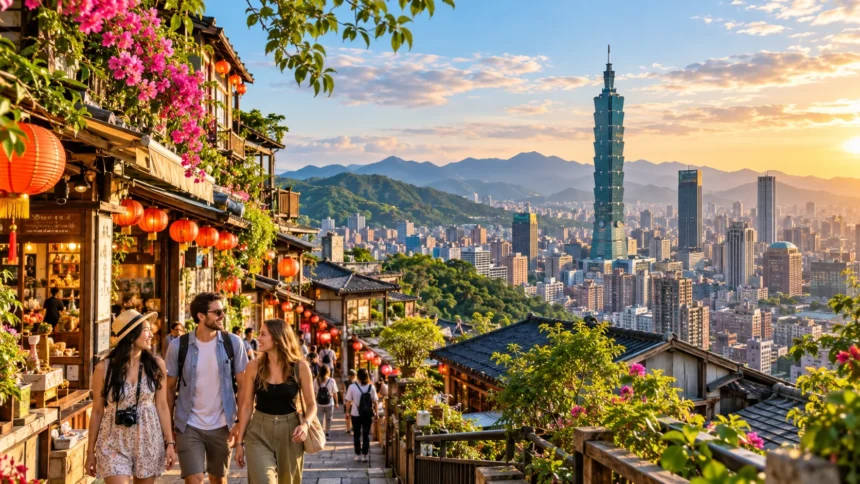
Taipei is one of Asia’s most exciting travel destinations, known for its impressive skyline, lively night markets, historic temples, delicious street food, and beautiful surrounding mountains. As the capital of Taiwan, Taipei offers a fascinating combination of modern attractions and traditional culture. However, its subtropical climate means that weather conditions can influence your sightseeing experience throughout the year.
The best time to visit Taipei is generally during spring, from March to April, and autumn, particularly October and November. These months often offer comfortable temperatures, attractive scenery, and favorable conditions for exploring outdoor attractions. Summer can be extremely hot and humid, while winter brings cooler temperatures and occasional rainy days.
Whether you are planning a cultural holiday, a family vacation, or a short city break, understanding Taipei’s weather and seasonal attractions can help you choose suitable travel dates. This guide explores the city’s climate, the advantages of different seasons, popular activities, and practical tips for enjoying Taiwan’s vibrant capital.
Understanding Taipei’s Weather and Climate
Taipei has a humid subtropical climate characterized by warm summers, relatively mild winters, and rainfall throughout the year. The city sits within a basin surrounded by mountains, which influences its temperature, humidity, and rainfall patterns. Because of these geographical conditions, Taipei can feel particularly humid during warmer months, especially when sunshine follows periods of rain.
Summer temperatures frequently rise above 30°C, with high humidity making outdoor activities feel more demanding. Winter is considerably cooler, with temperatures commonly ranging from approximately 13°C to 20°C during typical conditions. Spring and autumn provide transitional weather, although rainfall and temperature changes can still occur unexpectedly during these seasons.
Understanding Taipei’s climate helps travelers prepare for different sightseeing experiences. Outdoor attractions, mountain trails, and city walking tours are generally more comfortable during milder weather. However, Taipei also offers numerous indoor activities, including museums, shopping centers, restaurants, and cultural attractions, making it possible to enjoy the city during most weather conditions.
Best Time to Visit Taipei in Spring: March to May
Spring is one of the most enjoyable seasons to explore Taipei because temperatures gradually become warmer and natural landscapes begin to flourish. March and April often provide comfortable conditions for walking through city neighborhoods, exploring parks, and visiting cultural landmarks. Seasonal flowers also add beautiful colors to gardens and mountain areas surrounding the capital.
Yangmingshan National Park is particularly attractive during spring, when different flowers bloom across its hillsides and landscaped areas. Visitors can also explore Taipei’s temples, traditional markets, and scenic walking routes without the intense heat associated with summer. However, occasional rainfall is common, making a lightweight waterproof jacket or umbrella useful.
May marks the transition toward hotter and more humid conditions, with periods of heavier rain becoming increasingly likely. Travelers planning outdoor activities should monitor forecasts and maintain flexible schedules. Overall, March and April are especially suitable for visitors who want a comfortable balance between sightseeing, seasonal scenery, and cultural exploration.
Visiting Taipei in Summer: June to August
Summer in Taipei is characterized by high temperatures, significant humidity, and frequent opportunities for heavy rainfall. Daytime temperatures commonly reach around 30°C to 35°C, although hotter conditions can occur. These weather patterns can make extended outdoor sightseeing uncomfortable, particularly during the middle of the day when heat and sunshine are strongest.
Despite the weather, summer remains an active season with lively shopping districts, cultural attractions, and seasonal events. Visitors can explore Taipei’s museums, air-conditioned shopping centers, traditional tea houses, and famous food markets. Planning outdoor activities during cooler morning or evening hours may help make sightseeing more manageable during particularly warm periods.
Summer also overlaps with Taiwan’s main tropical cyclone season, meaning typhoons can occasionally disrupt transportation and outdoor activities. Travelers should monitor official weather warnings and follow local safety instructions when severe conditions develop. Flexible accommodation and transportation arrangements are particularly useful during this period because unexpected weather changes may affect travel plans.
Best Time to Visit Taipei in Autumn: September to November
Autumn is widely considered one of the best seasons to visit Taipei because temperatures become more comfortable as summer heat gradually decreases. October and November are particularly attractive for sightseeing, with many days offering pleasant conditions for outdoor exploration. Travelers can enjoy cultural attractions, walking routes, and mountain viewpoints without experiencing the most intense summer humidity.
September can still feel hot and humid, and tropical storms remain possible during the early autumn period. By October, the weather generally becomes more favorable for exploring popular destinations such as Taipei 101, Chiang Kai-shek Memorial Hall, and surrounding neighborhoods. November often brings cooler conditions that are especially comfortable for longer walking excursions.
Autumn also offers appealing opportunities for nature photography and outdoor recreation in the mountains surrounding Taipei. Seasonal changes create attractive landscapes, although foliage timing varies according to location and weather. Visitors looking for a combination of pleasant temperatures, cultural experiences, and comfortable sightseeing conditions may find October and November particularly rewarding.
Visiting Taipei in Winter: December to February
Winter in Taipei is relatively mild compared with destinations experiencing freezing temperatures and heavy snowfall. Daytime temperatures commonly remain around the mid-teens to upper teens Celsius, although colder conditions can occur during seasonal weather systems. The city’s cooler atmosphere makes walking and sightseeing enjoyable for travelers who prefer avoiding intense heat.
Winter weather can also bring cloudy skies, light rain, and damp conditions, particularly when northeastern monsoon winds influence northern Taiwan. Visitors should bring suitable layers because indoor and outdoor temperatures may feel different. A lightweight jacket, comfortable walking shoes, and an umbrella can make sightseeing more pleasant during unpredictable winter conditions.
One of winter’s biggest attractions is the opportunity to enjoy nearby hot spring destinations such as Beitou. Taipei’s museums, historical landmarks, cafés, and traditional markets also remain appealing throughout the season. Travelers who enjoy cooler city breaks may appreciate winter, although holiday schedules and occasional rain should be considered when planning activities.
Taipei’s Rainy Season and Typhoon Weather
Rainfall is an important consideration when choosing the best time to visit Taipei because the city receives precipitation during every season. Spring showers become more frequent as temperatures rise, while late spring and early summer can experience prolonged rainy periods. Taiwan’s seasonal plum rains generally affect the region around May and June.
During summer and early autumn, tropical storms and typhoons can occasionally produce intense rainfall and strong winds. Not every visit during these months will experience severe weather, but the possibility of disruption is greater. Transportation services, hiking routes, outdoor attractions, and scheduled activities may be affected when authorities issue weather warnings.
Travelers should monitor weather information regularly and avoid outdoor excursions during dangerous conditions. Choosing accommodation near public transportation and keeping alternative indoor activities available can make plans more flexible. Although rain is part of Taipei’s climate throughout the year, suitable preparation allows visitors to enjoy many attractions without depending entirely on sunshine.
Best Time to Visit Taipei for Festivals and Cultural Events
Taipei hosts numerous festivals and cultural celebrations throughout the year, providing opportunities to experience Taiwan’s traditions and community activities. Lunar New Year is among the most important celebrations, usually falling in January or February. The holiday brings festive decorations and family gatherings, although some businesses may temporarily adjust their operating schedules.
The Taipei Lantern Festival and related seasonal celebrations offer colorful displays and cultural experiences when scheduled. Travelers may also encounter temple events, traditional performances, and local food festivals during different months. Because many celebrations follow the lunar calendar, their exact dates can change each year and should be checked before planning a trip.
Cultural events can make a Taipei holiday especially memorable, but major celebrations may also affect accommodation demand and transportation. Reserving lodging in advance is helpful during popular holiday periods. Visitors who prefer quieter sightseeing experiences may choose dates outside major celebrations while still enjoying Taipei’s museums, temples, markets, and everyday cultural attractions.
Best Time for Sightseeing and Outdoor Activities in Taipei
Taipei offers a wide variety of outdoor attractions, from historic landmarks and public parks to scenic hiking trails surrounding the city. March, April, October, and November are generally excellent months for exploring these destinations. Comfortable temperatures can make walking between attractions more enjoyable and reduce the inconvenience of prolonged exposure to summer heat.
Popular sightseeing experiences include visiting Taipei 101, exploring Longshan Temple, walking through Daan Forest Park, and discovering traditional neighborhoods. Nature enthusiasts may enjoy Elephant Mountain, which offers impressive views of Taipei’s skyline. Yangmingshan National Park also provides opportunities to appreciate mountain scenery, seasonal flowers, and established walking routes.
Outdoor activities should always be planned according to local weather and individual comfort. Mountain trails may become slippery after rainfall, while intense summer heat can make physical activity more demanding. Choosing appropriate footwear, carrying drinking water, and checking trail conditions can help travelers enjoy Taipei’s scenic surroundings more comfortably.
Best Time to Visit Taipei on a Budget
Travel expenses in Taipei depend on accommodation preferences, transportation, dining choices, and seasonal demand. Prices can increase during major festivals, public holidays, and particularly popular travel periods. Visitors hoping to manage expenses should compare travel dates rather than assuming one entire season will always offer the lowest prices.
Late spring and summer may sometimes provide attractive accommodation offers, but travelers must balance potential savings against humidity, rainfall, and tropical storm risks. Winter can also offer good value outside important holiday periods. Flexible travel dates and early comparisons often provide more reliable savings than choosing a month solely because it is considered less popular.
Taipei offers many affordable experiences regardless of season, including public parks, temples, traditional neighborhoods, and night markets. Its extensive public transportation system can also help visitors manage travel expenses. Combining reasonably priced accommodation with local dining and free sightseeing attractions makes it possible to explore the city without requiring an expensive itinerary.
What to Pack for Taipei in Different Seasons
Packing appropriately for Taipei depends on the expected temperature, humidity, and rainfall during your chosen travel period. Spring visitors should consider lightweight clothing, comfortable walking shoes, and a compact umbrella. A thin jacket can also be useful during cooler evenings, particularly when exploring elevated areas or traveling early in the season.
Summer travelers should prioritize breathable clothing, sun protection, and items that remain comfortable in humid conditions. A reusable water bottle and lightweight waterproof layer can also be practical. Because indoor spaces are often air-conditioned, carrying an additional light layer may improve comfort when moving between outdoor attractions and cooler buildings.
Autumn usually calls for comfortable everyday clothing with a light jacket available for cooler periods. Winter visitors may prefer warmer layers, especially during rainy or windy conditions. Regardless of the season, supportive footwear, essential travel documents, suitable payment methods, and basic personal necessities can help make a Taipei holiday more convenient.
Essential Travel Planning Tips for Taipei
Planning accommodation near Taipei’s metro system can make sightseeing considerably easier. The city’s MRT network connects many important districts, shopping areas, and transportation hubs. Choosing a convenient location reduces unnecessary travel time and helps visitors move between attractions without depending entirely on taxis or private transportation.
Travelers should also consider how many days they want to spend exploring the city and its surroundings. Three to five days can provide enough time for major Taipei attractions, while a longer visit allows additional excursions to nearby destinations. Jiufen, Beitou, and Tamsui are popular options for travelers interested in varied cultural and scenic experiences.
Before departure, check entry requirements, transportation arrangements, holiday schedules, and seasonal weather expectations. Keeping an itinerary flexible is particularly important during periods of heavy rain or severe weather. A combination of planned highlights and optional activities can help visitors enjoy Taipei’s cultural attractions, food experiences, and natural scenery without unnecessary pressure.
Conclusion
The best time to visit Taipei generally falls during spring and autumn, when temperatures are relatively comfortable and outdoor sightseeing conditions are often favorable. March and April provide attractive seasonal scenery, while October and November offer pleasant weather for exploring the city. These periods are especially appealing to travelers interested in cultural landmarks, walking tours, and nearby natural attractions.
However, every season in Taipei offers different experiences worth considering. Summer brings lively urban activities but also intense humidity and the possibility of typhoons, while winter provides cooler temperatures and enjoyable hot spring experiences. Choosing the right travel dates depends on personal preferences, planned activities, and comfort with different weather conditions.
Whether you want to explore Taipei’s night markets, admire panoramic city views, discover historic temples, or enjoy scenic mountain trails, thoughtful seasonal planning can improve your journey. Checking local forecasts, packing suitable clothing, and keeping flexible sightseeing plans are useful steps. With the right preparation, Taipei can be an exciting destination throughout the year.
Frequently Asked Questions (FAQs)
1. What is the best month to visit Taipei?
October and November are among the best months to visit Taipei because they generally offer comfortable temperatures and favorable sightseeing conditions. March and April are also excellent choices for spring scenery and outdoor activities.
2. What is the rainy season in Taipei?
Taipei experiences rainfall throughout the year, but prolonged plum rains commonly occur around May and June. Summer and early autumn can also bring heavy rainfall associated with thunderstorms and tropical storms.
3. Is Taipei too hot to visit in summer?
Taipei can become very hot and humid during summer, with daytime temperatures frequently exceeding 30°C. Visitors can still enjoy the city by prioritizing indoor attractions and scheduling outdoor activities during cooler periods.
4. Is winter a good time to visit Taipei?
Yes, winter can be a pleasant time to visit Taipei for travelers who enjoy cooler temperatures. Museums, night markets, and nearby hot springs remain appealing, although occasional rain and chilly weather are common.
5. How many days are enough to explore Taipei?
Three to five days are usually sufficient for exploring Taipei’s major attractions, markets, temples, and neighborhoods. A longer stay provides additional opportunities to visit nearby scenic destinations and enjoy cultural experiences.