

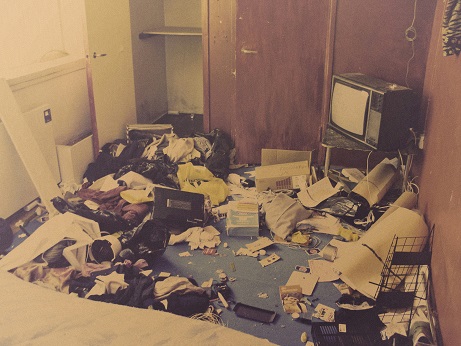
Understanding the Importance of Decluttering
Decluttering tips is a vital process that extends beyond simply tidying up physical spaces. It plays a significant role in psychological wellness and overall life satisfaction. A clutter-free environment contributes to enhanced mental clarity, allowing individuals to concentrate better and reduce feelings of overwhelm. When spaces are organized, the mind mirrors this orderliness, resulting in improved focus and productivity. Research indicates that physical clutter can contribute to mental clutter, which may hinder cognitive function and creativity. Consequently, engaging in decluttering can have profound effects on one’s emotional state. The act of clearing away unnecessary items can evoke feelings of relief and accomplishment, fostering a positive mindset. Additionally, a tidy space often leads to a more serene and aesthetically pleasing environment, which can further elevate one’s mood and well-being.
Despite the benefits, many individuals struggle with letting go of possessions. This reluctance often stems from emotional attachments and the sentimentality tied to items. People may hold onto objects due to memories associated with them, fear of future scarcity, or the belief that these items may be useful someday. Such thoughts can reinforce the clutter cycle, creating an environment that is mentally exhausting and physically limiting. Acknowledging the reasons behind our attachments to belongings is crucial for breaking free from this cycle and embracing a more minimalistic, decluttered lifestyle.
In essence, understanding the importance of decluttering allows individuals to prioritize their mental health and well-being. By recognizing the psychological and physical benefits, one can begin the journey towards a clutter-free home, ultimately creating a more peaceful and productive living space.
Tips for Preparing for Your Decluttering Journey
Embarking on a decluttering journey can seem overwhelming at first, but with proper preparation, it becomes a manageable endeavor. The first essential step is to create a decluttering plan. This plan should outline the specific areas of your home you wish to tackle and the timeline for completing each space. By breaking the process down into smaller tasks, you minimize the feeling of being overwhelmed and make it easier to track your progress.
Setting realistic goals is another crucial aspect. Consider how much time you can realistically dedicate to decluttering each day or week. Start small; perhaps devote 15 to 30 minutes a day to a specific room or area. This approach not only makes the task seem less daunting but also allows you to maintain consistency over time, transforming decluttering into a routine part of your life.
Defining your personal motivations can provide the necessary motivation to push through any challenging moments you might face during your decluttering process. Reflect on why you want to declutter; whether it’s to create a more organized space, foster a sense of peace, or reduce stress in your life, these motivations will serve as reminders that keep you focused and committed.
Gathering the necessary supplies is also an important part of your preparation. Collect boxes or bags for items you plan to donate, recycle, or throw away. Have cleaning supplies on hand to tackle dust and dirt as you sort through items. Consider using labels to help categorize items, ensuring that the organization remains consistent.
To avoid the feeling of being overwhelmed, schedule specific decluttering sessions in your calendar. By treating these times as appointments, it is less likely that you will postpone the task. Additionally, plan breaks during these sessions to recharge, allowing yourself to step back and reflect on your progress.
Choosing the Right Decluttering Method
Decluttering can seem overwhelming, but selecting a suitable method can simplify the process significantly. Various popular techniques exist, each tailored to different preferences and lifestyles. Understanding these methods can help you embark on your decluttering journey with confidence and clarity.
One prominent approach is the KonMari Method, developed by Marie Kondo. This method emphasizes the importance of sparking joy in your possessions. The process involves categorizing items into specific groups, such as clothing, books, and sentimental objects, and evaluating each piece’s emotional value. If an item does not bring joy, it is time to part ways. This method encourages connection with personal belongings and can lead to a more intentional living space.
Another effective technique is the Four-Box Method. This strategy requires you to set up four boxes labeled: Keep, Donate, Trash, and Relocate. As you go through your belongings, you place each item in the corresponding box based on its future disposition. This visual and practical approach can help streamline decision-making, ensuring that nothing is left to linger unnecessarily.
The Minimalist Game is a playful and engaging decluttering challenge. It involves removing a specific number of items from your home each day, increasing the amount by one item daily over a month. For instance, on the first day, you discard one item; on the second day, two items, and so forth. This method not only fosters self-discipline but also serves as a motivating game to encourage consistent decluttering.
Ultimately, the best decluttering method is one that aligns with your personality and lifestyle. By exploring and understanding these options, you can find a technique that resonates with you, making decluttering a more manageable and enjoyable experience.
Tackling One Room at a Time
Decluttering a home can often feel like a daunting task, especially when faced with the prospect of sorting through years of accumulated belongings. However, one effective strategy is to focus on decluttering one room at a time. This approach not only simplifies the process but also makes it more manageable, reducing feelings of overwhelm.
When beginning your decluttering journey, it is essential to prioritize the rooms based on both functionality and emotional attachment. Start with areas that have the most significant impact on your daily life, such as the kitchen or living room. These common spaces usually require more attention, as they are often the center of activity and can directly affect your mood and productivity. Alternatively, if certain rooms evoke strong emotional attachments, you may consider addressing them first to help mitigate stress. This prioritization can provide a clearer vision of where to start.
Creating a checklist for each room can be a productive step in the decluttering process. List out items you intend to remove, along with categories such as donate, throw away, or keep. By specifically detailing what needs to be addressed, you can maintain focus on your goals, ensuring that the decluttering is systematic and efficient. Additionally, set achievable goals, such as completing one room within a week. Break down the task further by allocating time for each section of the room if necessary, ensuring that you do not rush the process.
Ultimately, tackling one room at a time can lead to a more organized and harmonious living space. By keeping your objectives clear and manageable, the overwhelming nature of decluttering transforms into a fulfilling endeavor, gradually enhancing the overall environment of your home.
The Emotional Journey of Letting Go
Letting go of possessions can be one of the most challenging aspects of decluttering. Many individuals find themselves emotionally attached to items, believing they hold value or represent cherished memories. To navigate this emotional terrain, it is essential to approach the process with mindfulness and introspection.
Start by assessing each item’s significance. Ask yourself the following questions: Does this item serve a practical purpose in my life? Is it something that brings me joy or usefulness? When was the last time I used it? A helpful approach is to categorize belongings into three groups: keep, donate, or toss. This method not only simplifies decision-making but also encourages a clearer perspective on what truly matters.
In the journey of decluttering, it can be helpful to draw inspiration from others who have successfully let go of their belongings. For instance, the author Marie Kondo encourages individuals to examine whether an item “sparks joy.” The concept centers on retaining those things that positively influence one’s life while removing unnecessary weight from personal space.
Moreover, creating physical space can be liberating and transformative. As writer C.S. Lewis once said, “You can make anything by writing.” Here, the focus is on the act of creation through letting go; decluttering opens up opportunities for new experiences and relationships. It invites a fresh perspective, making room not only for physical objects but also for emotional and mental clarity.
Ultimately, it is important to remember that decluttering is a journey rather than a destination. Each item released is a step toward cultivating a more intentional and harmonious living space, reflective of one’s current values and aspirations. By integrating these strategies, individuals can approach decluttering with a sense of peace and purpose, affirming their decisions to let go.
Creating a System for Items You Decide to Keep
Establishing an efficient organization system for the possessions you choose to keep is a crucial step in maintaining a clutter-free environment. The first phase involves categorizing items. Group similar items together; for instance, books can be placed on shelves, while kitchen utensils can be organized in designated drawers. This categorization not only enhances accessibility but also helps in visualizing the items you possess, which is essential for mindful living.
Next, it is vital to identify suitable storage solutions tailored to your space and needs. Invest in storage containers, bins, and racks that fit within your designated areas. Opt for transparent storage boxes, as they allow for easy visibility of contents, thereby reducing the time spent searching for items. For smaller objects, consider drawer dividers or baskets to keep everything neatly contained. Utilizing vertical space by installing shelves is also a practical solution, especially in smaller rooms where floor space is limited.
Maintaining your organization system requires consistent effort. Regularly review your items to ensure they still serve a purpose and bring value to your life. Setting aside time every few months to reassess your belongings can prevent the accumulation of unnecessary items in the future. This routine will allow you to identify items that may no longer fit in your lifestyle, thereby further reducing clutter.
Moreover, integrating a ‘one-in, one-out’ policy can serve as an effective strategy for managing new acquisitions. For every new item you bring into your home, consider letting go of another. By implementing these organizational strategies and regularly evaluating your possessions, you can create a sustainable system that fosters a calmer, more organized living space.
Involving the Family in the Decluttering Process
Involving family members in the decluttering process can be beneficial in numerous ways. Not only does it promote a sense of unity within the household, but it also helps everyone understand the value of maintaining an organized living space. Effective communication is essential in conveying the importance of decluttering. It is advisable to initiate discussions about the benefits of a clutter-free environment, which can include improved mental clarity, increased productivity, and a more pleasing aesthetic in the home.
To motivate children to participate in decluttering, it can be advantageous to frame the activity as a fun challenge or game. For instance, you can set a timer and encourage them to see how many items they can sort in that timeframe. A reward system for their efforts, such as an extra story at bedtime or a small treat, can also incentivize participation. Furthermore, making decluttering a family bonding activity can foster a team spirit, as everyone works collaboratively towards a common goal.
Conflict may arise when family members have differing opinions on what to keep or discard. To address this, establishing clear guidelines from the outset will create a framework for decision-making. Encourage open dialogue and compromises, allowing each member a voice in the process. If disagreements persist, consider implementing a “one-touch rule”, where an item can be kept only if a family member has a specific intention or plan for its use. Engage in respectful discussions that focus on the common goal of a more organized home, which can ultimately lead to positive outcomes.
In summary, involving your family in the decluttering process not only eases the burden but also cultivates a shared sense of responsibility and ownership of the living space. Communication, motivation, and conflict resolution strategies play critical roles in creating a harmonious atmosphere during this endeavor.
Maintaining a Clutter-Free Home
Once you have successfully decluttered your home, the next step is to implement effective strategies to maintain that newly organized space. The sustainability of a clutter-free environment heavily relies on establishing practical routines and adopting lifestyle changes. One effective method is the ‘one in, one out’ rule. This rule dictates that for every new item brought into the home, one existing item must be removed. By adhering to this guideline, you can significantly reduce the risk of accumulating unnecessary belongings, ultimately preserving the clarity and organization of your space.
In addition to this approach, regularly scheduled decluttering check-ins can be instrumental in maintaining order. Designating specific times—whether monthly or seasonally—allows you to assess your possessions and ensure that clutter does not creep back into your life. During these check-ins, review items that may no longer serve a purpose or bring joy. This practice reinforces the habit of mindful consumption and encourages a more intentional relationship with your belongings.
Furthermore, effective organization systems are crucial for long-term maintenance. Consider implementing designated spaces for items and labeling containers to ensure everyone in the household understands where things belong. This not only fosters consistency but also simplifies the process of tidying up after daily activities.
Lifestyle changes also play a pivotal role in reinforcing decluttering habits. Evaluate your shopping habits and embrace the concept of minimalism, focusing on quality over quantity. By cultivating a mindset centered around valuing experiences rather than material possessions, you can further reduce the likelihood of future clutter. With these strategies in place—such as the ‘one in, one out’ rule, regular evaluation of belongings, efficient organization systems, and lifestyle enhancements—you can create a sustainable and clutter-free home that enhances both your living environment and overall well-being.
Embracing the Benefits of a Decluttered Space
Maintaining a decluttered home offers numerous long-term benefits that significantly enhance quality of life. A clutter-free environment promotes creativity, as it allows the mind to wander and think freely, unclouded by visual distractions. When home spaces are tidy, individuals can focus better on tasks and pursuits, leading to improved productivity. It is often in these organized spaces that new ideas flourish and innovation becomes possible.
Moreover, a decluttered space enhances relaxation and serenity, providing a sanctuary from the chaos of the outside world. A streamlined living area contributes to better mental health, as it can reduce feelings of stress and anxiety. The act of decluttering itself often brings a sense of accomplishment and clarity, reinforcing an individual’s emotional wellbeing. Creating an inviting atmosphere where one can unwind, free from the burden of excessive possessions, fosters a deeper connection to one’s home and, subsequently, to oneself.
Beyond personal benefits, a clutter-free home can also strengthen relationships. When shared living spaces are organized and welcoming, family members and guests may feel more comfortable and engaged. Peaceful environments encourage deeper conversations and bonding, allowing relationships to flourish without the distraction of excess clutter. Consequently, maintaining an orderly home can lead to positive interactions, enhancing the overall dynamics within the household.
Reflecting on your decluttering journey is essential, as it highlights that this transformation is not merely a one-time task but rather an ongoing process. Commitment to maintaining a decluttered space invites continuous personal growth and inspires a proactive approach to how we interact with our belongings. By routinely evaluating what is necessary and beneficial to our lives, we cultivate a mindful lifestyle that values simplicity and intentional living.