
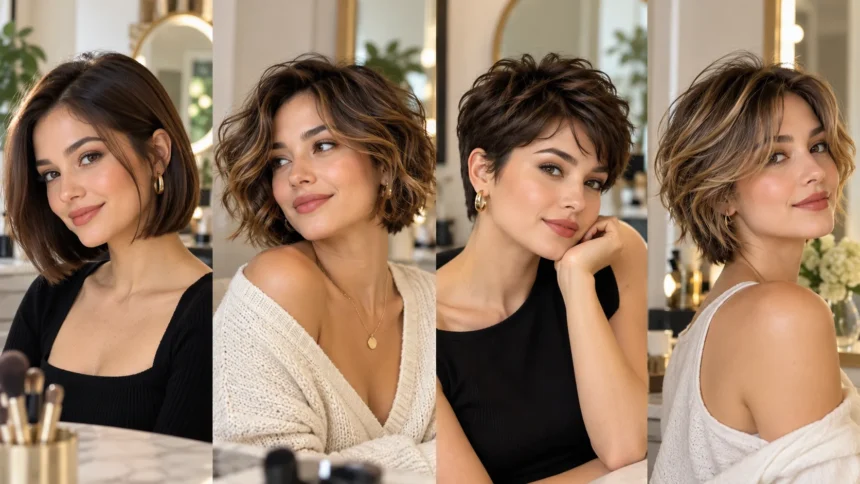
Short hair offers endless opportunities to create stylish, practical, and attractive looks without spending hours in front of the mirror. Whether you prefer a classic bob, a playful pixie cut, or a textured shoulder-length hairstyle, there are plenty of ways to express your personal style. Short hairstyles can be versatile, comfortable, and easy to maintain with the right techniques and accessories.
Exploring the best hairstyles for short hair can help you discover fresh ideas that suit your hair texture, everyday routine, and styling preferences. From elegant short haircuts to quick hairstyles for busy mornings, there are options for almost every occasion. You can experiment with soft waves, mini braids, claw clips, or simple accessories to transform your look in just a few minutes.
The beauty of short hair is that even small styling changes can make a noticeable difference. A different parting, a decorative hair clip, or a little added texture can give a familiar haircut a completely new appearance. In this guide, you will discover beautiful short hairstyles, practical styling methods, and helpful tips for keeping your hair comfortable and easy to manage.
1. Classic Bob Hairstyle for a Timeless Look
The classic bob is one of the most recognizable short hairstyles because of its clean shape and versatile appearance. Usually cut around the jawline or slightly below, this hairstyle works beautifully with straight, wavy, and some curly hair textures. Its simple structure makes it suitable for everyday activities, professional settings, and special occasions. A classic bob can also be personalized through different lengths and finishing techniques.
One attractive feature of the bob haircut is that it can be styled in several ways without requiring major changes. A middle part creates a balanced appearance, while a side part adds natural movement. You can also tuck one side behind your ear for a relaxed, effortless look. A lightweight styling cream may help control flyaways while keeping the hair soft.
Maintaining a classic bob generally involves regular trims to preserve its shape, although the ideal schedule depends on your haircut and growth rate. People with naturally wavy hair can embrace their texture instead of straightening it every day. Simple accessories such as barrettes and headbands can add variety. This timeless short haircut is a practical option for anyone who enjoys clean, uncomplicated styling.
2. Textured Pixie Cut for an Effortless Style
A textured pixie cut is a short hairstyle featuring cropped sides and slightly longer sections on top. It creates movement and flexibility without requiring a large amount of hair to manage. This haircut can be styled neatly or with a relaxed, tousled finish. Its versatility makes it appealing to people who enjoy experimenting with different looks.
To style a textured pixie, begin with clean or slightly damp hair and apply a small amount of lightweight styling product. Use your fingertips to arrange the longer sections in the desired direction. For extra definition, gently separate individual strands instead of flattening the entire hairstyle. This technique can create natural texture while maintaining a comfortable finish.
Pixie hairstyles can be customized through side-swept sections, soft fringes, or subtle layering. People with fine hair may prefer a lighter product that does not weigh down their strands. Curly pixie cuts can also look attractive when the natural curl pattern is allowed to develop. A textured pixie is an excellent example of how short hair can offer numerous styling possibilities.
3. Short Layered Haircut for Natural Movement
Short layered hairstyles are popular because they introduce movement and shape without requiring elaborate styling. Layers can be added to bob cuts, pixie hairstyles, and longer short haircuts to create a softer appearance. The effect depends on the placement and length of the layers. A carefully planned layered haircut can complement different hair densities and natural textures.
For everyday styling, gently arrange your layers using your fingers or a suitable brush. A small amount of leave-in conditioner can help manage dryness, while lightweight mousse may provide additional definition. If your hair naturally forms waves, allow them to settle into their shape. Avoid applying too many heavy products, especially if your hair becomes weighed down easily.
Layered short haircuts can also make simple accessories look more interesting. A small clip can hold shorter front sections in place, while a headband keeps loose layers away from the face. Discuss your preferred styling routine with a hairstylist before getting layers cut. This helps ensure the final haircut works with your hair rather than requiring constant maintenance.
4. Soft Waves for a Relaxed Short Hairstyle
Soft waves can give short hair a relaxed and natural appearance. They work particularly well with bob cuts, shoulder-length hair, and layered short hairstyles. The gentle movement creates texture without requiring complicated arrangements. Whether your hair is naturally wavy or straight, several techniques can help achieve a soft, flowing finish.
For naturally wavy hair, apply a small amount of leave-in conditioner or styling mousse to damp strands. Gently scrunch the hair upward and allow it to air-dry when possible. Avoid repeatedly touching the hair while it dries because this may disturb the wave pattern. A wide-tooth comb can help with detangling before styling.
People with straight hair can experiment with loose overnight braids or other heatless wave techniques. These methods may create gentle bends depending on hair length and texture. If using heated styling tools, apply a suitable heat protectant and avoid unnecessarily high temperatures. Soft waves are ideal for everyday occasions when you want an easygoing hairstyle with natural movement.
5. Side-Parted Short Hair for an Elegant Appearance
Changing your hair parting is one of the easiest ways to refresh a short hairstyle. A side part can introduce asymmetry and alter how the hair falls around your face. This technique works with classic bobs, pixie cuts, and short layered hairstyles. It requires almost no extra accessories or styling experience.
Begin by using a comb to create a part slightly to one side of your usual position. Gently guide the hair in the desired direction and smooth any sections that need adjustment. If necessary, apply a small amount of lightweight styling cream to help maintain the arrangement. Avoid pulling the hair too firmly when creating a new part.
You can personalize this hairstyle by tucking one side behind your ear or securing it with a decorative clip. A deep side part creates a more noticeable change, while a subtle part offers a softer effect. Experimenting with different positions helps you discover what feels comfortable. This simple adjustment can make a familiar short haircut look different without requiring a salon visit.
6. Half-Up, Half-Down Hairstyle for Short Hair
A half-up, half-down hairstyle is a practical option for people who want to keep their front sections organized while leaving the rest of their hair loose. It works particularly well for chin-length bobs, layered cuts, and shoulder-length hairstyles. This style combines the convenience of an updo with the natural appearance of loose hair. It can be completed quickly using basic accessories.
Start by separating a small section of hair from the top or front of your head. Gather it toward the back and secure it using a small elastic, barrette, or miniature claw clip. Allow the remaining hair to fall naturally around your shoulders or neck. Adjust the gathered section until it feels comfortable.
For a decorative variation, twist the front sections before securing them together. You can also add a small ribbon or colorful clip to complement your outfit. Naturally curly and wavy hair can be styled this way without changing its original texture. This simple hairstyle is suitable for casual outings, school days, and everyday routines.
7. French Bob for a Chic and Simple Look
The French bob is a short haircut usually styled around the jawline or slightly above it. It often features a soft fringe or relaxed texture, creating a casual yet polished appearance. This hairstyle is associated with simple styling and a natural finish. Its relatively compact length makes it an interesting option for people exploring shorter haircuts.
A French bob can be worn straight, softly waved, or with naturally textured ends. The styling approach depends on your hair type and preferred appearance. Applying a lightweight leave-in product may help maintain softness and reduce unwanted flyaways. People with natural waves can often create a relaxed look by allowing their hair to air-dry.
For additional personality, consider pairing the haircut with a soft fringe or side-swept bangs. Keep in mind that fringe maintenance varies depending on growth rate and hair texture. A hairstylist can help determine the length and shape that work with your preferred routine. The French bob is a versatile choice for people who enjoy understated short hairstyles.
8. Mini Braids for Cute Short Hairstyles
Mini braids are among the best hairstyles for short hair when you want decorative details without creating a complete updo. They work well with bob cuts and longer pixie hairstyles that have enough length for small sections. A single front braid can create a playful appearance, while two matching braids offer a balanced style. These hairstyles require only basic braiding skills.
Begin by separating a small section of hair near your hairline. Divide it into three strands and create a traditional braid, working carefully toward the ends. Secure it with a tiny elastic or a suitable hairpin. If you prefer, repeat the process on the opposite side for a coordinated look.
Mini braids can be combined with loose waves, natural curls, or straight hair. They are useful for keeping shorter front sections away from your face. Avoid braiding too tightly, as unnecessary tension can cause discomfort and stress on the hair. With a little practice, these cute short hairstyles can become part of a quick daily styling routine.
9. Sleek Short Hair for a Polished Finish
A sleek short hairstyle creates a smooth, organized appearance that works particularly well with bob cuts and longer pixie hairstyles. Instead of adding excessive volume or texture, this style emphasizes clean lines and a controlled finish. It is suitable for professional settings, formal occasions, and everyday wear. The amount of styling required depends on your natural hair texture.
To create a sleek look, begin by gently detangling your hair and choosing your preferred parting. Apply a small amount of suitable smoothing product to manage flyaways. Use a brush or comb to guide the hair into position without pulling too firmly. People with naturally straight hair may achieve this finish with minimal additional styling.
For curly or wavy hair, a sleek appearance can also be created by smoothing selected sections while leaving the natural texture elsewhere. There is no need to use intense heat to achieve a polished hairstyle. If heated tools are used, follow appropriate temperature guidance and apply heat protection. A sleek short haircut offers a simple way to create an elegant everyday look.
10. Short Curly Hairstyles That Embrace Natural Texture
Naturally curly short hair offers plenty of beautiful styling possibilities. A curly bob, rounded short cut, or layered curly pixie can highlight individual curl patterns while keeping hair manageable. The best haircut depends on curl structure, density, and preferred maintenance requirements. Choosing a shape that works with your natural texture often simplifies daily styling.
For a quick curly hairstyle, gently refresh the hair using water or an appropriate leave-in conditioner. Apply styling product according to your curl needs and distribute it carefully with your fingers. Scrunch the curls gently and allow them to dry naturally when practical. Avoid brushing dry curls if doing so causes tangling or unwanted frizz.
Accessories such as soft headbands, small clips, and satin scrunchies can help create additional styles. A side part may change the overall appearance without disturbing the curl pattern. Some curly hairstyles also benefit from carefully placed layers that support natural movement. Embracing your hair’s texture can make short hairstyling more convenient and enjoyable.
11. Short Shag Haircut for a Casual Textured Look
A short shag haircut features multiple layers that create movement and a relaxed shape. It can work with straight, wavy, and curly hair, although the final appearance varies significantly by texture. Short shag styles often include soft bangs or face-framing layers. The haircut is particularly suitable for people who enjoy an intentionally undone appearance.
Styling a short shag does not always require complicated techniques. A little lightweight mousse or styling cream can help define natural waves and separate layers. Gently arranging the hair with your fingers often produces a softer finish than excessive brushing. The goal is to highlight the haircut’s movement rather than forcing every section into place.
A short shag can be personalized with curtain bangs, a subtle fringe, or different layer lengths. However, highly layered cuts may require additional styling depending on your hair’s natural behavior. Discussing your daily routine with a hairstylist can help determine the best version. This hairstyle offers an interesting alternative to traditional short bobs.
12. Claw Clip Hairstyles for Short Hair
Claw clips are practical accessories that can transform short hair into a comfortable everyday hairstyle. Smaller clips work especially well for short bobs and shoulder-length cuts. They can secure front sections, create small twists, or hold a partial updo. The styling process is usually quick and does not require advanced techniques.
For a simple claw clip twist, gather the upper section of your hair toward the back of your head. Twist it gently and secure it with a small clip. Leave the remaining hair loose for a relaxed finish. If your hair is long enough, you can also gather a larger section into a low twist.
Choosing the correct clip size is essential for keeping the style secure. Large clips may not grip shorter hair effectively, while overly small clips can become uncomfortable when holding too much hair. Smooth edges and reliable springs help reduce snagging. Claw clip hairstyles are convenient for studying, working, and casual daily activities.
13. Short Hair With Curtain Bangs
Curtain bangs are a popular addition to many short hairstyles because they create soft sections around the face. They usually separate near the center and gradually blend into surrounding hair. Curtain bangs can complement short bobs, layered cuts, and some pixie hairstyles. Their appearance depends on the selected length and natural hair texture.
For everyday styling, gently separate the bangs and arrange them in the direction they naturally fall. A round brush or small amount of lightweight styling product may help create the desired shape. Avoid using excessive product near the roots because it can make the fringe feel heavy. Some hair textures may require slightly more maintenance than others.
Curtain bangs can be customized to suit different preferences, including longer face-framing pieces or shorter fringe sections. People with curly hair can also explore curly curtain bangs that follow the natural curl pattern. Before making changes, discuss how much daily styling you are comfortable doing. This helps ensure the haircut remains practical for your routine.
14. Simple Headband Hairstyles for Short Hair
Headbands are among the easiest accessories for creating quick hairstyles on short hair. They help keep loose strands away from the face while adding a decorative element. Whether you have a pixie cut, bob, or shoulder-length hairstyle, a comfortable headband can work with your existing haircut. The styling process often takes less than a minute.
Start by arranging your hair in its natural direction or creating a preferred parting. Place the headband gently behind your hairline and adjust it until it feels comfortable. You can leave the remaining hair loose or tuck shorter sections behind your ears. Soft fabric headbands are useful for casual styles, while simple decorative bands suit more polished outfits.
Choose headbands that fit comfortably without placing excessive pressure on your scalp. Different materials, widths, and finishes create different styling effects. A neutral headband offers a subtle look, while a colorful or patterned design can add personality. This is one of the most convenient everyday hairstyles for short hair.
15. Short Hair With Flipped Ends
Flipped ends create a distinctive short hairstyle by directing the tips of the hair slightly outward. This technique is often associated with bob cuts and layered shoulder-length hairstyles. The result can feel playful, polished, or retro-inspired depending on the rest of the styling. It is an interesting way to change the appearance of a familiar haircut.
To achieve flipped ends, arrange the hair into your preferred parting and gently style the lower sections outward. A round brush can help guide the shape during appropriate low-heat drying. Some people may prefer heatless techniques, depending on their hair texture and length. Avoid repeatedly applying high heat to the same sections.
For a more subtle appearance, flip only a few front sections or the ends nearest your shoulders. A lightweight styling product may help maintain the shape without making the hair stiff. This hairstyle works particularly well when the haircut has a clean, defined outline. Flipped ends provide a creative option for short hair without requiring major changes.
16. Easy Short Hairstyles for Busy Mornings
When time is limited, simple styling techniques can make getting ready much easier. A side part, miniature claw clip, headband, or small half-up hairstyle can refresh short hair in minutes. These options require minimal preparation and work with many common short haircuts. The most useful approach is choosing hairstyles that suit your natural texture.
Keeping basic accessories organized can make your morning routine more efficient. Small elastics, bobby pins, clips, and a suitable brush are often enough for everyday styling. If your hair needs refreshing, a little water or an appropriate leave-in product may help. Avoid overloading your hair with styling products when a simple adjustment will work.
Practicing two or three reliable hairstyles can also reduce preparation time. For example, a quick front twist, a half-up clip, and a comfortable headband can provide different looks throughout the week. Familiar techniques become easier with repetition. These low-maintenance short hairstyles are ideal for people who prefer practical and uncomplicated routines.
17. How to Choose the Best Short Hairstyle for Your Hair Type
Choosing a short hairstyle becomes easier when you consider your natural hair texture, density, and preferred maintenance routine. Fine hair may respond differently to layering than thick hair, while curly hair requires attention to natural shrinkage and curl patterns. There is no single haircut that works perfectly for everyone. Personal comfort and styling preferences should guide your decision.
People with straight hair may enjoy classic bobs, sleek pixie cuts, or blunt short hairstyles. Naturally wavy hair can work beautifully with textured bobs and layered cuts. Curly hair offers possibilities such as rounded bobs, layered pixies, and short shapes designed around individual curl patterns. A hairstylist can help adjust the haircut to suit your hair’s characteristics.
Consider how much time you want to spend styling your hair each morning. Some short haircuts require frequent trims or daily arrangement, while others grow out more easily. Bringing reference photos to a salon can help communicate your preferences clearly. The best short hairstyle is one that feels comfortable, suits your routine, and allows you to enjoy your natural hair.
18. Hair Care Tips to Keep Short Hairstyles Looking Fresh
Short hair benefits from a consistent hair care routine that supports cleanliness, comfort, and manageable texture. Choose shampoo and conditioner according to your scalp and hair needs rather than selecting products based only on hairstyle trends. Gentle washing and detangling help reduce unnecessary friction. Healthy hair care habits make everyday styling more convenient.
Avoid using excessive heat or applying heavy styling products when they are not necessary. Lightweight leave-in conditioners, suitable styling creams, and gentle accessories can help manage different hair textures. People with curly or dry hair may benefit from products designed to retain moisture. Those with finer hair may prefer lighter formulas that do not leave excessive residue.
Regular trims can help maintain the intended shape of short haircuts, although the required frequency varies. Protecting hair from unnecessary pulling and handling it gently can also support its condition. Experiment with hairstyles that work naturally with your texture. A simple, consistent routine can help keep short hair comfortable and easy to style.
Conclusion
The best hairstyles for short hair offer a combination of versatility, convenience, and personal expression. From timeless bob haircuts and textured pixie styles to mini braids and claw clip updos, there are numerous ways to refresh your everyday appearance. Short hair does not limit creativity, and even small styling adjustments can introduce interesting new looks.
Choosing the right short hairstyle depends on your natural hair texture, lifestyle, and preferences. Some people enjoy sleek, structured cuts, while others prefer relaxed waves, curls, and layered styles. Comfortable accessories and gentle styling methods can make it easier to maintain your preferred appearance. The goal is to find options that feel practical and enjoyable.
Experiment with different parts, clips, braids, and simple styling techniques to discover what works for you. Maintaining a consistent hair care routine can also help your haircut remain manageable between trims. With a little creativity, short hair can provide endless opportunities for attractive, comfortable, and easy everyday hairstyles.
Frequently Asked Questions
What are the best hairstyles for short hair?
Popular options include classic bobs, textured pixie cuts, layered short hairstyles, French bobs, and curly short cuts. The best choice depends on your natural hair texture, preferred maintenance routine, and personal style.
How can I style short hair in five minutes?
Try a side part, miniature claw clip, simple half-up hairstyle, headband, or small front braid. These quick short hairstyles require minimal accessories and can be completed in a few minutes with practice.
Which short hairstyles require the least maintenance?
Simple textured bobs, naturally styled pixie cuts, and short hairstyles designed around your existing hair texture can be relatively easy to manage. Maintenance also depends on trimming frequency and personal styling preferences.
Can I braid my hair if it is short?
Yes. Mini front braids, small side braids, and braided half-up styles can work with many short haircuts. The hair only needs enough length to form and secure the individual sections comfortably.
How can I make my short hair look different every day?
Experiment with different partings, soft waves, decorative clips, headbands, and small twists. Changing one or two styling details can refresh your appearance without requiring a new haircut or complicated techniques.