

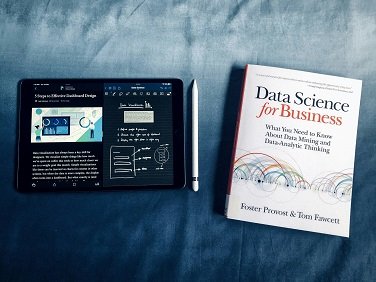
Big data refers to the massive volumes of structured and unstructured data generated every second across various channels. This data is collected from numerous sources including social media platforms, Internet of Things (IoT) devices, and transactional databases, creating a digital footprint that organizations can analyze to gain valuable insights. The characteristics that define big data can be summarized by the four Vs: volume, variety, velocity, and veracity.
The first characteristic, volume, illustrates the sheer amount of data produced. In contrast to traditional data sets, which can typically be managed using conventional database systems, big data encompasses enormous quantities that require advanced storage and processing capabilities. The variety aspect highlights the diverse types of data originating from multiple sources, including text, images, videos, and sensor data. This diversity makes it imperative for organizations to adopt sophisticated tools and methodologies to manage and analyze the data effectively.
Velocity denotes the speed at which data is generated and processed. Real-time data analytics has become a crucial requirement in many industries, necessitating systems that can handle continuous streams of incoming data quickly. Lastly, veracity pertains to the quality and accuracy of the data. In the context of big data, ensuring data veracity is essential, as poor-quality data can lead to incorrect conclusions and poor decision-making.
As organizations recognize these key characteristics, they begin to understand the significance of big data in today’s digital landscape. Its ability to provide actionable insights enables businesses to refine their strategies, optimize operations, and enhance customer experiences. Continuously evolving technology and sophisticated analytical techniques further enable greater utilization of big data across various industries.
Industries Being Transformed by Big Data
Big data analytics is revolutionizing several key industries by driving efficiency, improving decision-making, and enhancing customer experience. One of the most notable sectors is healthcare, where big data is utilized to predict outbreaks, improve patient care, and streamline operations. For instance, healthcare providers employ predictive analytics to foresee patient admissions based on historical data, significantly reducing wait times and optimizing resource allocation.
In the finance sector, big data analytics enables institutions to manage risk more effectively and personalize financial products for customers. By analyzing transaction data and consumer behavior, banks can identify potential fraud in real-time and create tailored investment strategies that reflect individual client needs. A notable example is the use of algorithmic trading, where vast datasets are processed to make rapid trading decisions, maximizing profits.
The retail industry, too, has embraced big data to enhance customer engagement and optimize inventory management. Retailers analyze shopping patterns and preferences to offer personalized recommendations, thereby improving customer satisfaction. A case study that exemplifies this transformation is Amazon, which uses big data to analyze customer browsing and purchasing behaviors, ultimately driving sales through personalized marketing strategies.
Furthermore, the transportation industry relies on big data analytics to enhance logistics and improve safety. Companies like Uber use real-time data to optimize routing and predict demand, ensuring that drivers and passengers connect efficiently. Similarly, manufacturers are implementing big data solutions to monitor supply chains, predict maintenance needs, and increase production efficiency. Companies can analyze equipment performance data to foresee failures before they occur, thus reducing downtime and operating costs.
In summary, big data is fundamentally changing how industries operate, providing valuable insights that lead to enhanced processes, increased efficiency, and better customer experiences across multiple sectors.
Challenges and Ethical Considerations
The advent of big data has brought about significant transformations across various industries; however, it also poses numerous challenges and ethical considerations that organizations must navigate. One of the foremost challenges is data privacy. With vast amounts of information being collected from users, often without their explicit consent, companies must grapple with ensuring that personal data is handled responsibly and transparently. The implications of failing to uphold privacy standards can be dire, leading to legal repercussions and a loss of consumer trust.
Moreover, security concerns surrounding big data cannot be overlooked. Cybersecurity threats are a constant risk in today’s digital environment, and as organizations accumulate more data, they become increasingly attractive targets for malicious actors. It is imperative that companies implement robust security measures to safeguard sensitive user information from breaches, thereby protecting both their customers and their reputations.
Ethical implications extend beyond data privacy and security; they also encompass issues of bias in data analysis. Algorithms used in big data analytics may inadvertently reflect biases present in the data itself, leading to skewed results which can reinforce stereotypes or promote discrimination. Organizations must take proactive steps to audit their data and analytics processes to minimize bias and ensure fair outcomes.
Furthermore, there lies a fundamental responsibility for organizations to protect user data while leveraging big data analytics for strategic advantage. Best practices involve obtaining informed consent from data subjects, being transparent about how their data will be used, and providing options for users to opt out of data collection. Additionally, fostering a culture of ethical data usage within organizations can also mitigate some of these challenges, ensuring that business practices align with societal values and expectations.
The Future of Big Data and Industry Transformation
As the digital landscape continues to evolve, the future of big data is increasingly promising, particularly in its transformative role across various industries. Emerging technologies such as artificial intelligence (AI) and machine learning (ML) are at the forefront of this evolution, synergizing with big data to develop smarter analytical tools. These advancements will enable businesses to extract actionable insights from large volumes of unstructured data, leading to more informed decision-making processes.
One of the most significant trends is the integration of AI and ML with big data analytics. This combination allows organizations to not only analyze data rapidly but also identify patterns and predict trends with remarkable accuracy. For instance, businesses in retail can anticipate consumer behavior by analyzing purchasing patterns, which can inform inventory management and marketing strategies. Similarly, in healthcare, AI-powered big data analytics can optimize patient care and streamline operations by predicting patient admissions or identifying potential health risks.
Moreover, the role of big data in shaping business strategies cannot be overstated. Companies equipped with advanced data analytics capabilities can devise strategies that are agile and responsive to market changes. This shift towards data-driven decision-making promotes a culture of innovation, allowing organizations to quickly adapt and capitalize on new opportunities. Consequently, there is potential for the emergence of new business models driven by big data insights, such as subscription services or data-as-a-service offerings.
Furthermore, industries like finance and manufacturing are beginning to see the benefits of real-time data analytics, which enhances operational efficiency and risk management. By harnessing these insights, businesses can reduce costs and improve service delivery, driving overall growth and competitiveness. Thus, the future of big data holds the promise of fostering revolutionary changes across industries, making it indispensable for organizations aiming to thrive in a rapidly changing market.