

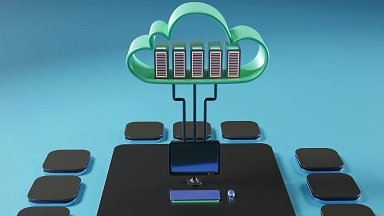
Cloud computing is a transformative technology that enables users to access and manage data and applications over the internet, rather than relying solely on local servers or personal computers. At its core, cloud computing involves the use of remote servers hosted on the internet to store, manage, and process data, allowing users to leverage vast resources without the need for substantial local infrastructure.
Unlike traditional computing, which often necessitates physical hardware and significant upfront investment in storage and processing power, cloud computing offers flexible resources on-demand. This model allows individuals and organizations to scale their computing capabilities quickly, provisioning additional resources as needed. Some of the primary components of cloud computing include storage, processing power, and networking capabilities, all provided by third-party vendors.
Cloud services can be categorized into several models, such as Infrastructure as a Service (IaaS), Platform as a Service (PaaS), and Software as a Service (SaaS), each fulfilling different user requirements. IaaS provides virtualized computing resources, PaaS offers a platform for developing applications, and SaaS delivers software solutions accessible via the internet. These models underscore the flexibility and efficiency that cloud computing can offer to both individuals and businesses.
The popularity of cloud computing continues to surge, driven by its inherent advantages. Businesses can reduce overhead costs significantly, enhance collaboration among remote teams, and ensure data security through professional cloud service providers. In comparison to traditional computing systems, which may require extensive maintenance and updates, cloud computing simplifies the overall management of IT resources, making it an appealing option in today’s fast-paced digital environment.
Types of Cloud Services
Cloud computing offers various service models to suit different applications and user needs. The three main types of cloud services are Infrastructure as a Service (IaaS), Platform as a Service (PaaS), and Software as a Service (SaaS). Each of these categories provides unique functionalities, enabling businesses to leverage technology effectively while minimizing costs and enhancing efficiency.
Infrastructure as a Service (IaaS) is a foundational cloud service model that provides virtualized computing resources over the internet. Users can rent servers, storage, and networking capabilities on a pay-as-you-go basis, allowing businesses to scale resources up or down based on their needs. Popular examples of IaaS include Amazon Web Services (AWS) EC2 and Microsoft Azure. The primary advantage of IaaS is its flexibility, enabling businesses to deploy and manage applications without the need for physical hardware.
Platform as a Service (PaaS) builds upon IaaS by offering a platform that allows developers to create, test, and deploy applications without worrying about the underlying infrastructure. PaaS provides tools and services to facilitate the development process, such as operating systems, databases, and programming languages. Notable PaaS examples are Google App Engine and Heroku. The main advantage of PaaS is that it accelerates application development and reduces complexity by integrating various development resources.
Software as a Service (SaaS) delivers software applications over the internet, eliminating the need for installation and maintenance on local machines. Users can access SaaS applications through a web browser, which simplifies deployment and accessibility. Examples of SaaS include Google Workspace and Salesforce. The key benefit of SaaS is its convenience, allowing users to access applications from anywhere and streamlining updates and security protocols, thereby enhancing the overall user experience.
Benefits of Cloud Computing
Cloud computing has transformed the way both individuals and organizations operate by offering a plethora of advantages that enhance efficiency, reduce costs, and improve accessibility. One of the most significant benefits of cloud computing is cost savings. By utilizing cloud services, businesses can significantly reduce their IT infrastructure costs because they no longer need to invest in expensive hardware and maintenance. Instead, they can operate on a pay-as-you-go model, which allows for better budget management.
Another major advantage is scalability. Organizations can quickly adjust their resources based on demand, enabling them to scale their operations without the need for substantial upfront investment. This is particularly beneficial for startups and small businesses that experience fluctuating workloads. For instance, during peak seasons, an e-commerce business can easily increase its storage capacity, ensuring optimal service delivery during high traffic periods.
Enhanced collaboration is also a critical feature, as cloud computing enables team members to access and share documents from any location with an internet connection. This fosters a flexible work environment and facilitates responsive teamwork, as seen in companies like Slack and Dropbox, which utilize cloud technology to promote seamless collaboration.
Automatic updates are another key benefit, ensuring that the software and applications remain current without the need for user intervention. This not only saves time but also ensures that users have access to the latest features and security updates. Furthermore, cloud providers often have robust security measures in place, making data security a priority. Many companies can store sensitive information with confidence, employing advanced encryption technologies to protect their data against potential breaches.
Lastly, disaster recovery options provided by cloud computing services play a crucial role in safeguarding data against unexpected events. Businesses can ensure that their data is backed up and easily recoverable, protecting them from loss due to unforeseen circumstances.
Getting Started with Cloud Computing
As more individuals and organizations gravitate towards digital solutions, getting started with cloud computing becomes increasingly important. First and foremost, it is essential to choose the right cloud service provider that aligns with your specific needs. Factors such as the features offered, pricing structures, and customer support are vital considerations. Different cloud providers specialize in various aspects, whether it’s infrastructure as a service (IaaS), platform as a service (PaaS), or software as a service (SaaS). Evaluating these features based on your requirements can significantly streamline your migration process and enhance your cloud computing experience.
After selecting a suitable provider, the next step involves migrating your data to the cloud. Migration can be a complex procedure, but with clear planning, it can be conducted smoothly. Start by assessing the data that needs to be migrated and consider implementing a phased migration for large datasets to mitigate risks. During this transition, ensure that data security is a top priority. Use encryption, secure access controls, and robust backup solutions to safeguard sensitive information. Maintaining compliance with relevant regulations must also be a focus, as it ensures that your data handling practices meet standards that protect your organization.
Once your data is securely migrated to the cloud, maximize the benefits of these services by exploring various functionalities offered by cloud platforms. Whether it’s utilizing software tools for business applications or leveraging storage options for personal files, take the time to familiarize yourself with the available resources. The goal is to enhance productivity and security while making the best use of cloud services, regardless of whether they are for personal or business purposes. As you continue to engage with cloud computing, stay updated on new features and best practices to optimize your cloud experience.