

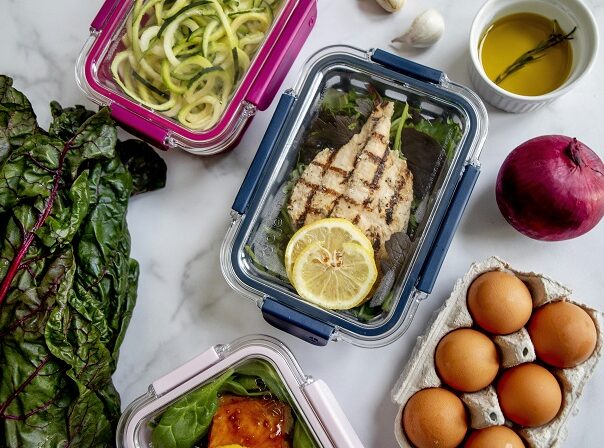
Introduction to Meal Prep
Meal prep for beginners has gained popularity as an effective approach to achieving healthier eating habits. This practice involves planning, preparing, and cooking meals in advance, which can be a game changer for individuals seeking to manage their time and improve their dietary choices. For beginners, understanding the fundamentals of meal prepping is essential to fully leverage its many benefits.
Firstly, one of the primary advantages of meal prepping is time efficiency. By dedicating a specific time each week for meal preparation, individuals can streamline their cooking process, reduce daily meal decision fatigue, and ultimately save substantial time throughout the week. This can be particularly helpful for those with busy schedules, as having ready meals can facilitate adherence to a healthy diet without the stress of last-minute cooking.
Secondly, meal prepping contributes significantly to health improvements. When individuals prepare their meals in advance, they have greater control over ingredients, portion sizes, and nutritional content. This not only encourages a balanced intake of essential nutrients but also reduces reliance on unhealthy convenience foods. Over time, this practice can lead to better eating habits and may even assist in weight management.
Moreover, meal prepping can be financially beneficial. When groceries are bought in bulk and meals are prepared ahead of time, individuals often find they can save money by minimizing food waste and reducing the temptation to order takeout. Planning meals ahead can also enhance awareness of grocery needs, allowing for smarter shopping decisions.
For beginners, meal prepping is not just a trend; it represents a sustainable way to foster healthier eating patterns, save time, and cut costs in the kitchen. By initiating this practice, individuals can set themselves on a path toward improved nutrition and lifestyle satisfaction.
Choosing the Right Containers for Meal Prep
When embarking on a meal prep journey, selecting the right containers is crucial for maintaining the quality, freshness, and portability of your prepared meals. There are several types of containers available on the market, each with its own set of advantages and disadvantages.
Glass containers are often considered the superior choice. They are non-toxic, do not leach chemicals into food, and are generally more durable than plastic alternatives. Additionally, glass containers can withstand high temperatures, making them safe for oven use as well as microwave reheating. However, they can be heavier than plastic, which may be a consideration for those who need to transport meals.
Plastic containers, on the other hand, are lightweight and usually less expensive than their glass counterparts. They come in various sizes and shapes, making them quite versatile for different types of meal preparations. However, it is essential to ensure that the plastic containers are BPA-free, as BPA can potentially leach into food, particularly when heated. Moreover, plastic containers can stain from certain foods and may not hold up as well over time compared to glass.
When choosing meal prep containers, it is also vital to evaluate their size and shape to meet your dietary needs. Portion control can be significantly managed by using appropriately sized containers, as they help to prevent overeating. Look for containers that offer various compartments; this allows for a balanced meal made up of different food groups.
In summary, the container choice for meal prepping can greatly influence the success of your health goals. Whether you opt for glass or plastic, selecting a container that emphasizes functionality, safety, and portion control will enhance your overall meal prep experience.
Simple Meal Prep Recipes for Beginners
Beginning a meal prep journey can seem daunting, but with simple and nutritious recipes, it can be both easy and enjoyable. Here are some beginner-friendly options across various meal categories that emphasize whole ingredients, straightforward instructions, and flavors that everyone will love.
Breakfast: Overnight oats are an excellent way to kickstart your day. Combine rolled oats with almond milk, Greek yogurt, and your favorite fruits such as blueberries or bananas. Prepare them in jars the night before and simply grab one in the morning for a healthy breakfast on the go.
Lunch: For a balanced meal, try a quinoa salad. Cook quinoa and let it cool before mixing it with diced cucumbers, cherry tomatoes, parsley, and a drizzle of olive oil and lemon juice. This salad can be enjoyed fresh or served chilled, making it a versatile option for lunch during the week.
Dinner: A one-pan chicken and vegetable bake is a fantastic dinner recipe. Marinate chicken breasts with olive oil, garlic, and your choice of spices. Spread them on a baking sheet alongside chopped vegetables such as bell peppers and broccoli. Bake until the chicken is cooked through, resulting in a delicious and hassle-free meal.
Snacks: For healthy snacking, consider prepping energy bites. Combine oats, nut butter, honey, and your choice of add-ins like chocolate chips or dried fruits. Roll them into small balls and keep them in the refrigerator for a quick nutrient-dense snack.
Integrating these simple meal prep recipes into your routine can help streamline your cooking process while ensuring you have quick access to nutritious meals. These ideas aim to simplify meal prep for beginners, allowing you to enjoy healthy eating without the stress of complicated cooking methods.
How to Plan Your Meal Prep Schedule
Planning an effective meal prep schedule is essential for beginners seeking to establish a consistent routine. One of the first steps in this process is to choose a designated prep day. Selecting a day that is least busy, often the weekend, allows ample time to plan, shop, and prepare meals without rushing. This will ensure that your meal prep is efficient and less stressful.
Once you have your meal prep day established, the next step is organizing your grocery shopping. Creating a detailed shopping list based on your meal plan not only saves time but also prevents impulse buying. It’s advisable to categorize items according to sections in the grocery store, such as fresh produce, proteins, grains, and pantry staples. This organization can streamline your shopping experience and help ensure that you have all the necessary ingredients on hand for your planned meals.
Moreover, establishing a workflow during the actual meal prep will enhance efficiency. Start by washing and chopping vegetables; this can be done in bulk and stored for later use. Meanwhile, proteins can be marinated or seasoned and cooked. Utilizing multiple cooking methods such as baking, steaming, or grilling concurrently maximizes your time. Additionally, consider investing in storage containers that are both microwave and freezer safe, as this enables easier portioning of meals for the week ahead.
Ultimately, a well-structured meal prep schedule not only simplifies the cooking process but also contributes to healthier eating habits, making it easier to stick to your nutritional goals. By choosing a prep day, organizing grocery shopping, and implementing a systematic workflow, you can set yourself up for success in your meal-prepping journey.
Budget-Friendly Meal Prep Tips
Meal prepping can often seem like a costly endeavor, but with a few strategic approaches, it is possible to manage a nutritious and satisfying meal plan on a budget. One of the most effective ways to maintain a low cost is by buying ingredients in bulk. Purchasing grains, legumes, canned goods, and frozen fruits or vegetables in larger quantities can yield significant savings over time. Additionally, these ingredients have longer shelf lives, making them ideal for meal prep sessions.
While it’s important to keep an eye on prices, utilizing seasonal ingredients can also help reduce costs. Seasonal produce tends to be fresher and cheaper due to its abundance in the market, allowing you to create a variety of meals without breaking the bank. Fluctuating prices mean that mindful meal preppers can adapt their menus based on what is currently available and affordable, ensuring they get the most value for their money.
Another strategy involves minimizing food waste, which directly contributes to a more cost-effective meal prep routine. One way to achieve this is through careful planning: by designing meals that use overlapping ingredients, you can ensure that nothing goes unused. For example, if you buy a bunch of spinach, consider incorporating it into salads, smoothies, and stir-fries throughout the week. Storing leftovers properly and getting creative with using them in future meals can also play a pivotal role in reducing waste.
Finally, investing in meal prep containers can be beneficial in the long run, allowing for efficient storage and easy reheating. While there may be an upfront cost, quality containers can help streamline your meal prep process and encourage you to stick to your planned meals, which is crucial for staying within your budget.
The Importance of Balanced Nutrition
Balanced nutrition is a fundamental principle that underpins effective meal prep strategies. It involves incorporating a variety of food groups to ensure that the body receives essential nutrients for optimal health and well-being. When preparing meals, it is crucial to include an appropriate mix of protein sources, healthy fats, carbohydrates, and plenty of fruits and vegetables.
Protein is a crucial macronutrient that supports muscle repair and growth, and it can be derived from various sources. Options include lean meats, poultry, fish, legumes, beans, and tofu. Integrating a diverse range of protein sources into meal prep not only enhances nutritional value but also keeps meals interesting.
Healthy fats are another vital component of a balanced diet. These fats, which include those found in avocados, nuts, seeds, and olive oil, play a significant role in supporting brain health and hormone production. Including these healthy fat sources in meal prep can enhance flavor and satiety, making it easier to resist unhealthy snacks during the day.
Carbohydrates are often misunderstood, yet they are the body’s primary source of energy. Whole grains, such as brown rice, quinoa, and oats, provide complex carbohydrates that digest slowly, helping to maintain stable energy levels. It is also important to consider the inclusion of fruits and vegetables, which supply essential vitamins, minerals, and fiber. A colorful variety of fruits and vegetables should be prioritized in meal prep to reap their extensive health benefits, including improved digestion and reduced risk of chronic diseases.
Overall, understanding the principles of balanced nutrition allows individuals to create meal prep plans that are both nutritious and satisfying. By carefully considering protein sources, healthy fats, carbohydrates, and the inclusion of fruits and vegetables, meal prepping can lead to enhanced health and a positive relationship with food.
Storage Tips for Meal Prep Success
When it comes to meal prep, proper storage is key to maintaining the freshness and quality of your prepared meals. Whether you are preparing portions for a week or just a few days, the methods you employ for storing your meals can greatly impact their taste and safety. One important aspect to consider is refrigeration. Foods should be stored in airtight containers, which helps to prevent spoilage by limiting exposure to air. It is advisable to use glass or BPA-free plastic containers, as they do not retain odors and are generally more durable.
Temperature is another critical factor in refrigeration. Ensure that your fridge is set at or below 40°F (4°C) to keep your meals safe from bacteria. Additionally, when storing hot meals, allow them to cool down to room temperature before placing them in the refrigerator. This practice helps in maintaining a stable temperature inside the fridge, thus preserving other foods as well.
For meals that are intended to be stored longer, freezer storage is an excellent option. Most meals can be frozen for up to three months without a significant loss in quality. When freezing meals, it is important to label your containers with the date and contents to avoid confusion. Vacuum sealing can also be a great investment as it removes air and prevents freezer burn, thus prolonging the lifespan of your meals.
Another valuable tip is to be mindful of portion sizes. When preparing meals, consider portioning them out into individual servings. This not only aids with meal planning but also allows for quicker reheating. Remember that certain foods may have different shelf lives; grains and legumes typically last longer than dairy-based meals. In conclusion, implementing these storage tips can significantly enhance your meal prep success by guaranteeing the freshness and quality of your meals through effective refrigeration and freezer techniques.
Common Mistakes to Avoid in Meal Prep
When embarking on a meal prep journey, beginners often encounter several common mistakes that can hinder their experience and results. Understanding these pitfalls can help streamline the process and promote a more effective meal prep routine.
One significant mistake is underestimating the importance of planning. Without a cohesive plan, individuals may struggle to make decisions about what to cook, leading to last-minute choices and wasted ingredients. A clear meal plan not only guides the grocery shopping list but also ensures that meals are balanced and nutritionally sound. Therefore, take the time to map out meals for the week and make a detailed shopping list to avoid unnecessary purchases.
Another frequent error is overcomplicating recipes. Beginners might feel tempted to try elaborate dishes think they are more likely to enjoy them. However, tackling complex recipes can be overwhelming. Focus on simple, straightforward recipes that reuse ingredients across multiple meals. This strategy can save time, minimize cleanup, and help streamline the cooking process. By simplifying your menu, you are likely to find more enjoyment in the repetition of preparing meals.
Lastly, neglecting portion control can lead to potential waste or overeating. Preparing too large of portions may result in food spoilage or inadequate use of meal items. It is essential to help you gauge correct portion sizes. Consider utilizing measuring cups, food scales, or pre-portioned containers, ensuring that meals can be conveniently reheated without excess. As you gain experience, your understanding of portioning will improve, further reducing waste and promoting healthy eating habits.
By being mindful of these common mistakes, beginners can establish a more efficient and enjoyable meal prep routine. Take the time to plan meals effectively, simplify recipes, and control portion sizes to create a sustainable and rewarding meal prep experience.
Conclusion and Next Steps
Embarking on the journey of meal prep can significantly enhance one’s dietary habits and overall health. Throughout this blog post, we have explored various healthy meal prep ideas tailored specifically for beginners. Understanding the benefits, such as saving time, reducing food waste, and ensuring balanced nutrition, is crucial for anyone looking to adopt this method of cooking. We discussed essential tips, including how to choose recipes that suit your taste and dietary requirements, how to effectively organize your meal prep schedule, and the importance of using quality containers to store your prepped meals.
As you begin your meal prep journey, consider starting with simple recipes and gradually incorporating more complex meals. Preparing meals ahead of time allows you to reclaim valuable moments during your week, making it easier to maintain a nutritious diet amidst a busy lifestyle. Additionally, leveraging the use of apps like Mealime or MyFitnessPal can help streamline your planning process, providing suggestions based on your dietary preferences and restrictions.
Furthermore, if you are looking for more inspiration and guidance, resources like “The Meal Prep Handbook” by Molly Siegler offer extensive insights into effective meal prepping techniques. Engaging with online communities dedicated to meal prepping can also be beneficial, providing support and motivation as you refine your skills.
In conclusion, meal prepping can be a transformative practice that supports both health and convenience. By gradually implementing the strategies discussed and utilizing available resources, you will find that preparing healthy meals can become an easy and enjoyable part of your routine. Start small, stay consistent, and watch as your meal prep journey flourishes.