

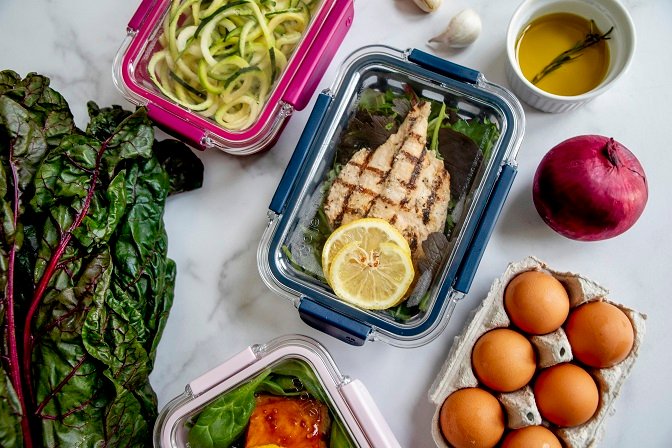
In today’s fast-paced world, many individuals struggle to find time to prepare healthy meal prep benefits amidst their demanding schedules. Meal prepping emerges as a practical solution that not only saves time but also enhances dietary habits. By investing a few hours at the beginning of the week to prepare meals, busy individuals can ensure that nutritious options are readily available throughout the week, mitigating the temptation to resort to unhealthy fast food alternatives.
One significant benefit of meal prepping is its role in reducing food waste. When meals are planned in advance, individuals can purchase only the ingredients they need, which often leads to less spoilage. This thoughtful approach to food management not only benefits the environment but also leads to substantial cost savings, as consumers can focus on buying items in bulk, utilizing discounts, and minimizing excessive spending on impulse purchases.
Additionally, meal prep promotes healthier eating habits. With prepared meals within easy reach, individuals are less likely to opt for high-calorie snacks or processed foods, which can derail efforts to maintain a balanced diet. By controlling ingredients and portion sizes, meal prepping allows busy individuals to adhere to specific dietary requirements, enhancing their overall nutritional intake.
Furthermore, preparing meals in advance significantly reduces daily decision fatigue. Individuals can streamline their choices and avoid the stress that comes with trying to assemble a meal after a long day. This organization fosters a more mindful eating culture, ultimately contributing to improved physical and mental well-being. As such, embracing proper meal prep strategies can help busy individuals maintain a balanced lifestyle while juggling various responsibilities efficiently.
Quick and Easy Meal Prep Recipes
Meal prepping is an excellent strategy for maintaining a healthy diet, especially for busy individuals. By preparing meals in advance, you can save valuable time throughout the week while ensuring that you consume nutritious options. Here are some quick and easy meal prep recipes that cater to breakfast, lunch, and dinner, appealing to various dietary preferences.
For breakfast, consider overnight oats as a nutritious and convenient choice. Simply combine rolled oats with your favorite plant-based milk, yogurt, or nut butter and add in fruits such as berries or bananas. Allow the mixture to sit overnight in the fridge, and you have a fulfilling breakfast ready to go. For a vegan option, substitute honey with maple syrup or agave nectar.
For lunch, quinoa bowls are an excellent option. Cook quinoa in bulk, and then mix it with a variety of vegetables such as bell peppers, cucumbers, and cherry tomatoes. You can also add a protein source, such as chickpeas or grilled chicken, ensuring the meal is well-rounded. Drizzle with a dressing made of olive oil, lemon juice, and herbs for added flavor.
Dinner can be both simple and satisfying with sheet pan meals. Arrange your chosen proteins, like salmon or tofu, alongside seasonal vegetables such as broccoli, carrots, and sweet potatoes on a baking sheet. Season them with herbs, drizzle with olive oil, and roast until everything is cooked through. This method allows for easy portioning and cleanup.
These meal prep ideas not only save time but also promote a balanced diet, keeping you energized and healthy even on your busiest days. Experiment with different ingredients and spice combinations to keep your meals exciting and tailored to your taste.
Smart Storage Solutions for Meal Prep
Efficient meal preparation extends beyond cooking; proper storage plays a crucial role in maintaining the freshness and quality of prepared meals. Choosing the right containers is the first step to achieving this goal. Airtight containers made from glass or BPA-free plastic are ideal since they prevent air and moisture from degrading food quality. Various sizes of containers can be beneficial, enabling portion control and ensuring that meals can be stored side by side without wasting space.
Labeling meals is another essential practice in meal prep benefits. Utilizing masking tape or specialized food labels, you can note the contents and date of preparation on each container. This facilitates easy identification and helps keep track of meal freshness, ultimately reducing food waste. It is advisable to consume freshly prepped meals within a few days, while freezer-safe meals can last for weeks, provided they are properly labeled.
When considering freezing and reheating, certain practices improve the longevity and quality of the meals stored. For freezing, allow meals to cool before transferring them into containers to prevent condensation. When reheating, using a microwave-safe container or transferring the meal to a stovetop can result in better heating compared to using a microwave directly. Additionally, consider saving a part of your meal for fresh herbs or garnishes, which can be added after reheating to preserve flavor and presentation.
Lastly, organizing your fridge or pantry can further enhance your meal prep experience. Designate specific shelves or sections for prepped meals and maintain visibility by placing older meals at the front. This organization not only aids in managing the inventory of what meals are prepared but also encourages you to eat healthier by making prepped meals readily accessible.
Tips for Sticking to Your Meal Prep Plan
Sticking to a meal prep benefits plan can be challenging, particularly for individuals with busy lifestyles. However, with some practical strategies in place, it becomes easier to maintain commitment while reaping the benefits of meal preparation. One effective approach is to establish a dedicated meal prep schedule. By selecting specific days and times for meal preparation, it becomes part of your routine. Whether you choose Sundays to prepare for the week ahead or set aside time on weekday evenings, consistency is key.
Setting realistic goals is equally crucial when it comes to meal prepping. Understand your cooking abilities and free time; aim for a meal prep plan that suits your lifestyle and doesn’t lead to frustration. For instance, if you’re not an experienced cook, planning elaborate meals may not be feasible. Instead, focus on a few simple recipes that are healthy and versatile. Creating a varied lineup of meals can also help combat meal fatigue, helping you stick to your plan throughout the week.
Involving family members can enhance commitment and make meal prep a fun activity rather than a chore. Assigning tasks such as chopping vegetables or organizing ingredients can foster teamwork and make the process enjoyable. Additionally, discussing everyone’s preferences can help tailor the meal prep plan to suit everyone, minimizing complaints about meals and maximizing satisfaction.
Lastly, be prepared for last-minute schedule changes that can disrupt your plans. Having a few easy-to-execute backup meals, such as frozen soups or quick stir-fries, can significantly ease the stress during such times. By incorporating these strategies, sticking to a meal prep plan becomes more manageable, allowing busy individuals to enjoy the health benefits that come with planned meals.