
Introduction
Creating a home workout area is about more than finding enough floor space for a piece of exercise equipment. A practical fitness corner should be comfortable, safe, easy to access, and suitable for the way people live. Whether the available space is a spare bedroom, a section of the living room, or a converted home office, thoughtful planning can make indoor exercise feel like a natural part of the household.
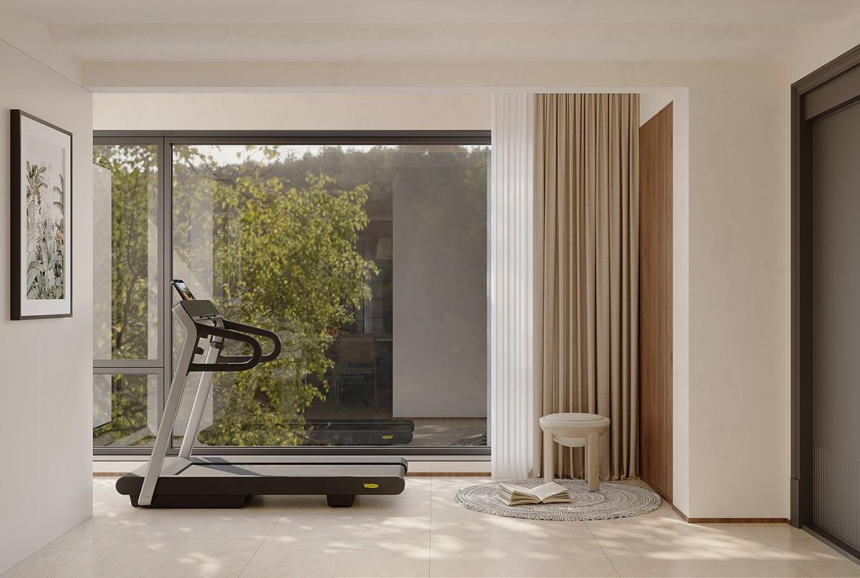
A treadmill can become the centrepiece of such an area. However, its placement, surrounding environment, storage requirements, and everyday maintenance all influence how convenient it will be to use. By considering these details before setting up a workout space, homeowners can avoid unnecessary adjustments and create an environment that supports consistent activity.
Start With the Space You Actually Have
The first step in creating a home fitness area is assessing the available room. A large dedicated gym is not essential. Even a relatively small section of a room can work if it provides enough space for the equipment and safe movement around it.
Begin by measuring the intended location. Consider the treadmill’s full dimensions rather than focusing only on its footprint when folded. A machine may take up less room in storage mode but require considerably more space when opened and ready for exercise.
The surrounding area also matters. Users should have enough clearance to step onto and off the machine comfortably. The power connection should be accessible without creating a trip hazard, and nearby furniture should not obstruct movement.
It is useful to imagine the space during an actual workout. Where will shoes be kept? Is there somewhere to place a water bottle? Can the user reach the controls easily? Answering these questions before positioning the equipment can make the finished setup more functional.
Choose a Location That Supports Regular Use
The most suitable location is not necessarily the room with the most available floor space. Convenience plays an important role in whether exercise becomes part of a regular schedule.
For example, placing a treadmill in a spare room may provide privacy and reduce distractions. A living-room setup might be more convenient for someone who prefers to exercise while watching television. A home office could be suitable for a compact walking machine used during selected breaks.
Each option has practical considerations. Shared spaces may require equipment that can be folded or moved when not in use. Bedrooms may need additional attention to noise and available walking space. Rooms with limited ventilation may feel uncomfortable during longer sessions.
Natural light can make a workout area more inviting, although good artificial lighting is also important. The objective is to choose a place where the equipment can remain accessible without interfering with normal household activities.
Selecting Equipment That Matches the Room
A treadmill should fit both the user’s exercise requirements and the physical limitations of the home. Buying a machine first and trying to find a suitable location afterwards can create avoidable problems.
Compact walking machines may be attractive for smaller homes because they can be easier to position and store. They are generally intended for walking-focused routines, so their speed capabilities and walking surface should be checked before purchase.
Traditional treadmills may be more suitable for people who want to include jogging or running. These machines can require a larger operating area, making accurate measurements particularly important.
Folding designs offer another possibility. They can help reduce the amount of floor space occupied when the equipment is not being used. However, users should check how the folding mechanism works, how much room is required to operate it, and whether the stored machine can be positioned safely.
Exploring a loopband voor thuis can help buyers compare different types of machines and consider which design is most appropriate for their available space and preferred exercise style.
Pay Attention to Flooring and Stability
The floor beneath a treadmill deserves careful consideration. The equipment should be positioned on a stable, level surface that is suitable for its weight and operation. An uneven floor can affect how the machine sits and may create an uncomfortable experience.
A compatible protective mat can help separate the treadmill from the floor and make cleaning around the equipment easier. Depending on the flooring material and the manufacturer’s guidance, a mat may also help reduce the transmission of vibration.
Before placing the treadmill, inspect the floor for loose tiles, damaged boards, or uneven sections. Avoid positioning the equipment on a surface that feels unstable. If the machine has adjustable feet, follow the manufacturer’s instructions for levelling it.
It is also important to keep the surrounding floor clear. Bags, shoes, charging cables, and other household objects should not be left near the walking area. A tidy space makes it easier to approach the treadmill and reduces avoidable obstacles.
Make the Environment Comfortable
A workout area should encourage people to spend time there. Small adjustments can make a noticeable difference to the overall experience.
Ventilation is one of the most important factors. Exercise can make a room feel warm, particularly when the space is small. A suitable window, ventilation system, or fan can help maintain a more comfortable environment. Airflow should be arranged so that it does not interfere with the treadmill’s operation.
Lighting should be bright enough for users to see the controls and surrounding floor clearly. If the room is used for other activities, adjustable lighting may help it serve multiple purposes.
Temperature also influences comfort. A room that becomes excessively hot or cold may discourage regular use. Where possible, choose a location that remains reasonably comfortable throughout the year.
Finally, consider the atmosphere. Some people prefer a simple, distraction-free space, while others enjoy music, television, or a motivational display. Personal touches can make the area more welcoming, provided they do not interfere with concentration or safe movement.
Organise Accessories Without Creating Clutter
A well-organised workout corner should keep essential items within reach while preserving clear floor space. A small shelf or storage basket can be useful for accessories that are regularly needed.
Possible additions include:
- A designated place for exercise shoes.
- A water bottle holder or nearby stable surface.
- A small towel for wiping down equipment.
- A storage basket for personal items.
- A phone stand positioned away from moving parts.
- A simple wall clock for keeping track of workout time.
There is no need to fill the area with unnecessary accessories. Too many objects can make a small room feel crowded and reduce the available space around the machine.
It is also worth keeping the treadmill’s instruction manual and maintenance information somewhere accessible. This makes it easier to check operating guidance when needed.
Consider Household Noise and Shared Living Areas
Noise can become an important issue when exercise equipment is used in a shared home. The sound produced by a treadmill may depend on its design, condition, speed, flooring, and the way it is installed.
If the machine is located above another room or near a neighbour’s property, consider how vibration may travel through the floor. A suitable mat and stable placement may help, although they cannot guarantee that all sound will be eliminated.
Workout timing is another consideration. People living with family members or housemates may prefer to schedule exercise when it is less disruptive. This can be especially helpful in homes where bedrooms, work areas, and shared living spaces are close together.
Regular maintenance can also help prevent avoidable mechanical noise. Loose components, improper belt tension, or a lack of recommended lubrication may affect how smoothly equipment operates. Always follow the manufacturer’s maintenance instructions rather than making adjustments without guidance.
Keep Safety at the Centre of the Setup
A home workout area should be designed with safety in mind from the beginning. The treadmill should be placed away from doors, narrow walkways, and areas where people frequently pass.
Electrical arrangements require attention as well. Use the power supply recommended by the manufacturer, keep cables away from the walking surface, and avoid overloading sockets. If an extension lead is being considered, check the equipment instructions and seek appropriate electrical advice where necessary.
Users should become familiar with the machine’s controls before starting. This includes understanding how to adjust speed, stop the belt, and use any emergency stop or safety key provided.
Children and pets should be kept away from an operating treadmill. When the machine is not in use, switching it off and securing the area can reduce the risk of accidental operation.
It is also important to avoid placing decorative objects, shelves, or furniture where they could fall onto the equipment. A clear space around the machine is more useful than a heavily decorated workout corner.
Establish a Simple Cleaning and Maintenance Routine
A treadmill is easier to keep in good condition when basic care becomes part of the household routine. Dust and dirt can collect around the machine, especially when it is positioned in a frequently used room.
After exercise, wipe appropriate surfaces according to the manufacturer’s cleaning instructions. Keep the surrounding floor clear and check that the area beneath and around the equipment remains free from accumulated dust.
The walking belt and other components may require periodic inspection. Follow the recommended guidance for belt alignment, tension, lubrication, and general servicing. Not every treadmill uses the same maintenance process, so avoid applying products or making adjustments based on assumptions.
A simple reminder to inspect the machine periodically can help users notice unusual sounds, visible damage, or changes in operation before they become more significant problems. If something does not seem right, stop using the equipment and consult the manufacturer’s support information or a qualified technician.
Think About Long-Term Use Before You Buy
A home fitness setup should be practical not only on the day it is installed but also after several months of regular use. Before purchasing equipment, consider how your exercise preferences might develop and whether the machine will remain suitable.
Someone who currently prefers walking may eventually want to include faster sessions. Another person may need a compact design that can be stored after every workout. These differences can influence the type of treadmill worth considering.
Important factors include the machine’s intended activity, speed range, belt dimensions, incline options, folding design, controls, warranty information, and maintenance requirements. The available space should also be measured again before placing an order.
Anyone planning to loopband kopen should compare models according to practical requirements instead of choosing only by price or appearance. A machine that suits the room, the user’s routine, and the intended level of activity is more likely to remain useful over time.
Create a Routine That Makes the Space Worthwhile
Even a carefully designed workout corner will only be valuable if it is used. A simple routine can help make the equipment part of everyday life.
Choose realistic times for exercise and begin with sessions that match current ability. Some people may prefer a short walk in the morning, while others may find an evening session easier to maintain. The schedule should fit around normal responsibilities rather than creating additional pressure.
Keep the space ready for use. When shoes and accessories have designated places, there are fewer small tasks to complete before starting. If the treadmill needs to be folded away, make sure the process is straightforward enough to avoid becoming a barrier.
Variety can also help. Walking at different comfortable speeds, using suitable incline settings where available, or alternating longer sessions with shorter ones can make indoor activity less repetitive. Changes should always be appropriate for the user’s experience and the machine’s capabilities.
A Practical Home Fitness Space Can Make a Difference
Creating a useful treadmill area does not require an elaborate home renovation or a large collection of equipment. It starts with choosing an appropriate location, measuring the available space, selecting a suitable machine, and arranging the surroundings carefully.
Attention to flooring, ventilation, lighting, storage, noise, and maintenance can make indoor exercise more convenient. Just as importantly, a safe and accessible setup can remove everyday obstacles that might otherwise discourage regular use.
The best home workout space is one that works naturally within the household. With sensible planning and equipment suited to individual needs, a treadmill can become a practical addition to everyday living and provide a convenient option for staying active at home.