

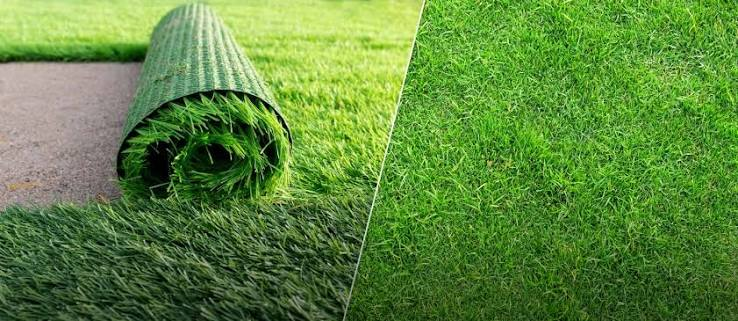
Every summer, millions of homeowners spend their weekends watering, mowing, fertilizing, and reseeding lawns that seem determined to look mediocre anyway. It raises a fair question: is a natural grass lawn actually worth the effort, or has artificial turf quietly become the smarter option for most residential properties? The answer is more nuanced than either side of the debate usually admits.
This article breaks down the real differences between artificial grass and natural turf across six key dimensions: upfront cost, long-term maintenance, water consumption, environmental impact, aesthetics, and durability. Whether you are a homeowner weighing a backyard renovation or just trying to understand what your neighbors installed last spring, you will find concrete, practical information here.
Upfront Cost vs. Long-Term Cost: The Numbers That Actually Matter
Artificial grass carries a higher installation cost than seeding or sodding a natural lawn. For a standard residential installation, artificial turf typically runs between $8 and $20 per square foot installed, depending on the pile height, fiber type, infill material, and the complexity of the ground preparation. A 500-square-foot backyard could cost anywhere from $4,000 to $10,000 to convert.
Natural sod, by comparison, runs roughly $1 to $2 per square foot for the material alone, with installation adding another $1 to $2. That same 500-square-foot space might cost $1,500 to $2,000 to sod. On paper, that looks like a decisive win for natural grass. But the math changes significantly when you factor in ongoing expenses.
The Synthetic Turf Council estimates that homeowners spend an average of $800 to $1,200 per year maintaining a natural lawn when you add up water bills, fertilizer, pest control, lawn care services, and equipment costs. Artificial grass, once installed, requires almost none of that. Most industry estimates put the break-even point somewhere between five and eight years, after which artificial turf effectively pays for itself through savings.
| Cost Factor | Natural Grass | Artificial Grass |
| Installation (per sq ft) | $2 to $4 | $8 to $20 |
| Annual water cost | $200 to $500+ | Near zero |
| Annual fertilizer/chemicals | $100 to $300 | $0 |
| Mowing (DIY or service) | $200 to $600/year | $0 |
| Estimated lifespan | Ongoing with care | 15 to 25 years |
| Break-even point | N/A | 5 to 8 years |
Water Use: A Difference That Is Hard to Ignore
Lawn irrigation accounts for a significant portion of residential water use in the United States. According to the U.S. Environmental Protection Agency, landscape irrigation makes up nearly one-third of all residential water use, totaling nearly 9 billion gallons per day nationwide. A significant share of that goes to lawns, and a substantial portion of it is wasted through overwatering, evaporation, or runoff.
Artificial grass requires no irrigation at all during normal use. Occasional rinsing to remove dust, pet waste, or debris is recommended, but that uses a fraction of the water a living lawn demands. In drought-prone regions like the American Southwest, this distinction is not just financial. It is increasingly a regulatory concern. Several California municipalities have offered rebates of $1 to $3 per square foot to homeowners who replace natural lawns with approved synthetic alternatives, according to the Metropolitan Water District of Southern California.
If water conservation is a priority, artificial turf is the clear practical choice. That said, it does not contribute to groundwater recharge the way a permeable natural lawn can, which is worth keeping in mind depending on your local environment.
Maintenance Requirements: What Each Option Actually Demands
What Natural Grass Needs
- Mowing every one to two weeks during the growing season
- Regular watering, typically one inch per week
- Fertilization two to four times per year depending on grass type
- Aeration once or twice annually to prevent soil compaction
- Overseeding in fall to fill in bare or thin spots
- Pest and weed control, often requiring chemical applications
- Edging along driveways, walkways, and garden beds
What Artificial Grass Needs
- Occasional rinsing to remove dirt, pollen, or pet waste
- Brushing the fibers upright a few times per year to prevent matting
- Removing leaves and debris with a leaf blower or plastic rake
- Checking infill levels annually and replenishing if needed
- Inspecting seams and edges once a year for any lifting or separation
The maintenance gap is real and substantial. Artificial grass will not demand your Saturday mornings. It will not turn brown during a heat wave or develop bare patches where the dog runs. For households with limited time, limited physical ability, or limited interest in yard work, that difference matters a great deal.
Environmental Considerations on Both Sides
The environmental conversation around artificial turf is more complicated than simple talking points suggest. Natural grass supports local ecosystems, provides habitat for insects and small organisms, absorbs carbon dioxide, and generates oxygen. Healthy turf also filters rainwater before it enters the soil. These are real ecological benefits that synthetic materials cannot replicate.
On the other side, natural lawns as typically maintained in suburban America are not particularly eco-friendly in practice. Gas-powered lawn mowers are a meaningful source of air pollution. The EPA has noted that a traditional gas mower produces as much air pollution in one hour as driving a car for up to 45 miles. Synthetic pesticides and fertilizers applied to lawns can run off into waterways. And the sheer volume of water consumed is environmentally costly in many regions.
Artificial grass, for its part, is typically made from polyethylene or polypropylene, which are petroleum-based plastics. Most products are not easily recyclable at the end of their lifespan, though some manufacturers are beginning to offer take-back programs. Heat absorption is another legitimate concern. Synthetic turf can get significantly hotter than natural grass on warm days, sometimes reaching surface temperatures of 150 to 180 degrees Fahrenheit in direct sun, according to research published by Penn State University’s Center for Sports Surface Research.
Neither option is perfectly sustainable. The better choice depends on your local climate, how the lawn is used, and which trade-offs matter most to you.
Appearance and Feel: Closing the Gap
For years, the most common objection to artificial turf was simple: it looked fake. Early generations of synthetic grass had a uniform, plastic sheen that fooled no one. The technology has changed considerably. Modern artificial grass products use multi-tone fibers, varied blade shapes, and thatch layers that mimic the irregular look of real turf far more convincingly than older versions.
Homeowners researching current products often find that visiting a supplier in person or reviewing detailed installation photos helps them evaluate how realistic a particular product looks. Resources like https://goturf.com/ offer product galleries and specification details that can give buyers a clearer sense of what modern artificial grass actually looks like before committing to an installation.
The feel underfoot is another matter. High-quality synthetic turf is soft and comfortable to walk on barefoot. It holds up well under heavy use. But it will never feel exactly like a well-tended natural lawn. Families with young children who love to play outside should factor in the heat issue mentioned earlier and consider shaded installations or products with cooling infill materials.
Durability and Lifespan: What to Expect Over Time
A quality artificial grass installation, properly maintained, typically lasts 15 to 25 years. The fibers are engineered to resist UV degradation, and most products come with manufacturer warranties ranging from 8 to 15 years. Wear patterns tend to develop in high-traffic areas over time, particularly in pet zones or areas where children play repeatedly in the same spot.
Natural grass is, in one sense, more resilient because it regrows. A bare patch can be reseeded. A damaged area can recover with the right care. But that regeneration requires ongoing attention, and there is always some baseline level of maintenance needed just to keep a natural lawn functional. Drought, pests, disease, and shade can all cause serious setbacks that take months to correct.
For high-use areas, pet owners, or households in drought-prone climates, artificial grass typically proves more durable in practical terms. For large open spaces where aesthetics are secondary to ecological function, natural turf often remains the better long-term answer.
Pavers as Part of the Equation
Many homeowners who consider artificial grass also look at hardscape options like concrete pavers at the same time. A well-designed outdoor space often combines both elements, using artificial turf for open play areas and pavers for patios, walkways, or driveways. Pavers offer excellent durability, require minimal maintenance beyond occasional sealing, and can dramatically improve the usability and visual appeal of a yard.
Combining turf and pavers gives homeowners flexibility. You can define functional zones clearly, manage drainage more effectively, and create an outdoor space that works across different seasons and uses. The combination is especially popular in smaller yards where every square foot needs to serve a purpose.
Making a Decision That Fits Your Situation
There is no universal answer about which lawn option is better. The right choice depends on a set of factors that are specific to you: your climate, your water bills, your household’s use patterns, your tolerance for maintenance, and your budget over a five to ten year horizon rather than just the next few months.
What the evidence does suggest is that artificial grass is no longer the compromise it once was. For homeowners in dry climates, households with pets or children who use the yard heavily, and anyone looking to reduce weekly maintenance demands, it is a genuinely practical option that holds up well over time. Natural grass still makes sense in many contexts, particularly where water is affordable and abundant and where the ecological benefits of a living lawn align with the homeowner’s priorities.
Understanding the full picture across cost, water use, maintenance, environmental trade-offs, appearance, and durability is the only way to make a decision you will feel confident about years down the line. Both options have real merit. The question is which one fits your actual life.