

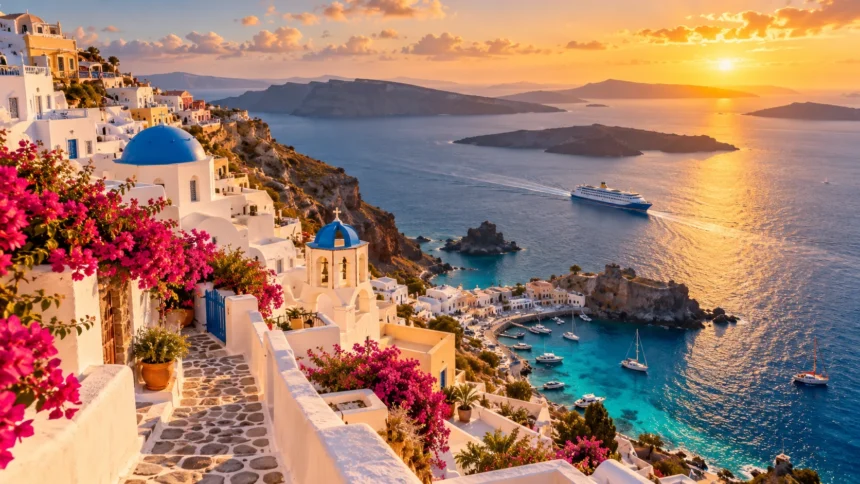
Greek island hopping is one of the most exciting ways to explore the beauty, culture, and coastal landscapes of Greece. With hundreds of inhabited islands scattered across the Aegean and Ionian seas, travelers can discover different experiences during a single journey. From the famous whitewashed villages of Santorini to the beautiful beaches of Naxos, each island offers something special. Planning the right route makes exploring these destinations much easier.
Traveling between Greek islands allows visitors to enjoy stunning beaches, traditional villages, ancient historical sites, and delicious Mediterranean cuisine. Some islands are famous for lively towns and beautiful sunsets, while others offer peaceful surroundings and natural landscapes. Ferries connect many popular destinations, making island hopping a practical travel option. Choosing nearby islands can reduce transportation time and create a more relaxing holiday.
Whether you have one week or several weeks available, Greek island hopping offers flexible travel opportunities. Understanding ferry connections, seasonal schedules, accommodation options, and regional differences is essential for planning. A thoughtful itinerary helps you experience multiple destinations without spending too much time traveling. This guide explores the best Greek island hopping routes, popular destinations, and practical tips for an unforgettable adventure.
Why Greek Island Hopping Is Worth Experiencing
Greek island hopping offers a wonderful opportunity to explore several destinations during one Mediterranean holiday. Each island has its own personality, shaped by local traditions, geography, architecture, and history. Travelers can visit lively coastal towns, relaxing beaches, and historic villages within a relatively short journey. This variety makes island hopping appealing to travelers with different interests and preferences.
One of the biggest advantages is the extensive ferry network connecting many Greek islands. Popular destinations in the Cyclades often have convenient connections during the main tourist season. Travelers can combine famous locations with quieter islands to experience different sides of Greece. However, ferry frequency varies by destination and season, so transportation planning remains important.
Island hopping also gives visitors flexibility when organizing their itinerary. Some people prefer spending several days relaxing on one island before moving to another. Others enjoy exploring historical landmarks, hiking trails, and traditional communities. Selecting destinations according to personal interests creates a more meaningful experience than attempting to visit as many islands as possible.
Best Greek Island Hopping Route for First-Time Visitors
The Cyclades are among the best regions for first-time Greek island hopping because several popular destinations are connected by ferries. A classic route combines Athens, Mykonos, Paros, Naxos, and Santorini. These destinations provide a balance of beaches, beautiful villages, historical attractions, and scenic landscapes. The complete journey is particularly convenient when suitable seasonal ferry connections are operating.
Mykonos is famous for its picturesque streets, windmills, beaches, and cosmopolitan atmosphere. Paros offers traditional villages, beautiful coastal scenery, and a more relaxed island experience. Naxos attracts visitors with sandy beaches, mountain settlements, and ancient landmarks. Santorini provides dramatic volcanic landscapes, whitewashed architecture, and unforgettable views across its famous caldera.
Travelers should ideally allow around 10 to 14 days to explore all four islands comfortably. A shorter holiday may be better suited to two or three destinations. The order can be adjusted according to ferry schedules, flight availability, and accommodation preferences. Staying several nights on each island allows enough time to appreciate local attractions without rushing between ports.
Explore Santorini: Famous Sunsets and Volcanic Views
Santorini is one of the most recognizable Greek islands, known for its dramatic cliffs and whitewashed villages. The island’s beautiful architecture overlooks a volcanic caldera surrounded by the blue Aegean Sea. Visitors come to admire stunning scenery, explore traditional settlements, and enjoy memorable coastal views. Santorini is especially popular among travelers interested in photography, history, and distinctive landscapes.
Oia is famous for its beautiful buildings, narrow pathways, and spectacular sunset views. Fira, the island’s main town, offers restaurants, shops, and panoramic viewpoints. Visitors can also explore archaeological attractions such as Akrotiri, an ancient settlement preserved beneath volcanic deposits. These destinations provide opportunities to appreciate both the island’s scenery and fascinating historical background.
Santorini has several distinctive beaches shaped by its volcanic geology. Perissa and Kamari are known for their dark volcanic sand and organized beach areas. Travelers can also visit traditional villages such as Pyrgos for a quieter atmosphere. Because accommodation and transportation demand can be high during summer, advance planning is particularly useful when visiting this popular destination.
Discover Mykonos: Beaches and Charming Villages
Mykonos is a popular Greek island that combines beautiful beaches with traditional Cycladic architecture. Its main town features narrow pedestrian streets, white buildings, colorful balconies, and attractive shopping areas. Visitors can spend time exploring waterfront neighborhoods and discovering local restaurants. The island is especially appealing to travelers who enjoy lively destinations with picturesque coastal scenery.
Little Venice is one of the most recognizable parts of Mykonos, with historic buildings overlooking the sea. The famous windmills nearby provide another beautiful photography location. Travelers can also explore traditional villages such as Ano Mera for a quieter experience away from the busiest waterfront areas. These attractions reveal different aspects of the island’s cultural character.
Beach lovers will find several attractive destinations around Mykonos. Ornos and Platis Gialos offer accessible shorelines with tourist facilities and nearby restaurants. Other coastal areas provide opportunities for swimming and relaxing beside the Aegean Sea. Mykonos can be relatively expensive during peak season, so comparing accommodation locations helps travelers manage their holiday budgets.
Visit Paros: Beautiful Beaches and Traditional Greek Life
Paros is an excellent destination for travelers seeking a balance between attractive beaches and traditional island charm. Located in the Cyclades, it features beautiful villages, scenic coastal landscapes, and welcoming waterfront communities. The island is well connected to several nearby destinations during the tourist season. Its relaxed atmosphere makes it a popular addition to Greek island hopping itineraries.
Parikia, the island’s main port town, contains attractive streets, traditional buildings, and historical landmarks. Naoussa is another beautiful destination known for its fishing harbor and whitewashed architecture. Visitors can explore local shops, enjoy waterfront dining, and walk through picturesque neighborhoods. Both towns offer convenient bases for discovering different parts of Paros.
Paros also provides access to beautiful beaches such as Kolymbithres and Golden Beach. Visitors can explore inland villages, including Lefkes, where traditional architecture and mountain scenery create a peaceful atmosphere. Nearby Antiparos is another attractive island that can be reached by local ferry. Combining these experiences makes Paros particularly suitable for a relaxed Mediterranean holiday.
Explore Naxos: Sandy Beaches and Mountain Villages
Naxos is the largest island in the Cyclades and offers a wonderful combination of natural beauty, history, and traditional culture. The island is known for long sandy beaches, fertile valleys, and impressive mountain landscapes. Unlike destinations focused mainly on coastal tourism, Naxos provides numerous opportunities for exploring inland villages. This variety makes it especially appealing to families and nature enthusiasts.
Naxos Town, also called Chora, is famous for its historic streets and attractive waterfront. The Portara, a monumental marble doorway associated with an unfinished ancient temple, is among the island’s best-known landmarks. Visitors can explore the old town’s winding pathways and traditional buildings. Sunset views near the Portara provide memorable scenery overlooking the surrounding sea.
Beach enthusiasts can enjoy destinations such as Agios Prokopios, Agia Anna, and Plaka Beach. Inland villages including Halki and Apeiranthos offer traditional architecture and local cultural experiences. Naxos is also known for agricultural products, regional cuisine, and mountain hiking opportunities. Spending several days here allows visitors to experience a different side of Greek island life.
Discover Milos, Sifnos, and Serifos on a Quieter Route
Travelers looking for an alternative Cyclades itinerary can explore Milos, Sifnos, and Serifos. These islands offer attractive beaches, traditional settlements, and beautiful natural surroundings. Their atmosphere can feel more relaxed than the busiest tourist destinations, although popular areas still attract summer visitors. Seasonal ferry connections make it possible to combine them into one memorable island hopping journey.
Milos is famous for its unusual volcanic coastline and dramatic rock formations. Sarakiniko Beach is particularly recognizable because of its smooth white volcanic landscape. Visitors can also explore colorful fishing villages and coastal viewpoints. Boat excursions around accessible sections of the island reveal impressive geological features, although weather conditions determine whether individual trips can operate.
Sifnos attracts visitors with charming villages, scenic walking paths, and traditional Greek cuisine. Serifos offers rugged landscapes, beautiful beaches, and a picturesque hilltop town. Both destinations are suitable for travelers who appreciate slower sightseeing and local character. Combining these islands creates an appealing route for people who want to explore beyond the most famous Cyclades destinations.
Explore Crete and Nearby Greek Islands
Crete is the largest Greek island and offers enough attractions to fill an entire holiday. Its landscapes include impressive mountains, historic towns, scenic beaches, and traditional villages. Travelers can explore ancient archaeological sites while enjoying regional cuisine and beautiful coastal surroundings. Because the island is large, visitors should allow several days rather than treating Crete as a brief stopover.
Heraklion is an important arrival point and provides access to the famous Palace of Knossos. Chania is known for its attractive Venetian harbor, historic streets, and lively waterfront. Other popular attractions include Balos Lagoon and Elafonissi Beach, both celebrated for their distinctive coastal scenery. Travel times across Crete can be considerable, making regional itinerary planning important.
Seasonal ferry services can connect Crete with Santorini and certain other Cycladic islands. This allows travelers to combine Crete’s historical attractions with the volcanic landscapes of Santorini. However, these connections may not operate with the same frequency throughout the year. Checking transport schedules carefully helps avoid unnecessary delays when planning a journey between different island groups.
Greek Island Hopping in the Dodecanese and Ionian Islands
The Dodecanese islands offer another fascinating island hopping experience, especially for travelers interested in history and traditional architecture. Rhodes, Symi, Kos, and Patmos are among the region’s well-known destinations. Rhodes features an impressive medieval old town and attractive coastal landscapes. Symi is recognized for its colorful neoclassical buildings and picturesque harbor.
Kos offers beaches, archaeological attractions, and opportunities for relaxed sightseeing. Patmos is known for its religious heritage and traditional settlements. Ferry connections between these destinations depend on seasonal schedules and specific routes. Travelers should choose a manageable combination rather than assuming every island is connected by frequent daily departures.
The Ionian Islands provide a different environment, with greener landscapes and beautiful western Greek coastlines. Corfu, Paxos, Lefkada, Kefalonia, and Zakynthos are popular choices, but connections between them are less straightforward than within parts of the Cyclades. Some journeys require mainland transfers or seasonal services. Planning separate regional itineraries helps travelers avoid complicated and time-consuming connections.
Best Time to Go Greek Island Hopping
The best time for Greek island hopping generally falls between May and October, when many destinations offer favorable sightseeing conditions. Late spring and early autumn are particularly attractive because temperatures are often comfortable and popular areas may be less crowded. Ferry services are also more extensive than during winter. However, specific connections depend on the island and operator.
July and August are the busiest summer months, attracting visitors seeking beaches and warm Mediterranean weather. Accommodation prices can rise considerably in popular destinations such as Santorini and Mykonos. Strong seasonal winds, often called the Meltemi, can also affect ferry crossings in the Aegean. Travelers should expect occasional delays or cancellations during unfavorable sea conditions.
September is often an excellent choice for travelers who want warm water and a somewhat quieter atmosphere. May and June are attractive for sightseeing, walking, and exploring villages before peak summer crowds arrive. Winter island hopping is possible on selected routes, but services are generally more limited. Choosing travel dates according to your priorities helps create a more enjoyable holiday.
How to Plan Ferries, Accommodation, and Your Budget
Ferries are a central part of Greek island hopping, connecting mainland ports with numerous island destinations. Piraeus and Rafina are important departure ports serving different routes from the Athens area. Conventional ferries and high-speed vessels vary in journey duration, comfort, and price. Travelers should verify the correct departure port and current timetable before arranging onward transportation.
Ferry schedules can change because of seasonal demand, weather, operational requirements, and route adjustments. High-speed vessels may offer shorter journeys but can be more expensive and sensitive to rough sea conditions. Booking ahead is useful during busy travel periods, especially when carrying a vehicle. Leaving flexibility between important connections can reduce the consequences of unexpected delays.
Accommodation costs depend on the island, travel season, and type of property selected. Popular destinations generally become more expensive during July and August, while smaller villages may provide alternatives. Travelers should also account for ferry tickets, local transport, meals, and activities. Selecting fewer islands and staying longer in each location can reduce unnecessary transportation expenses.
Practical Travel Tips for a Smooth Island Hopping Trip
One of the most useful travel tips is to avoid creating an itinerary with too many destinations. Frequent ferry journeys require packing, transportation to ports, check-in procedures, and accommodation changes. These activities can take up a surprising amount of holiday time. Spending two to four nights on each island often creates a more comfortable balance between exploration and relaxation.
Packing light makes traveling between ferries and accommodations considerably easier. Comfortable walking shoes are useful because many traditional Greek villages contain stairs, narrow streets, and uneven pathways. Sun protection, reusable water bottles, and suitable clothing are also practical essentials. Travelers who experience motion sickness may benefit from discussing appropriate precautions with a healthcare professional before ferry journeys.
Respecting local communities and natural environments is equally important when exploring the Greek islands. Follow designated paths, avoid disturbing wildlife, and dispose of rubbish responsibly. Check swimming conditions and follow local safety instructions at beaches and coastal attractions. Allowing extra time before international flights also helps reduce problems caused by unexpected transport disruptions.
Conclusion
Greek island hopping offers an unforgettable way to discover the beautiful landscapes, cultural traditions, and coastal destinations of Greece. From the dramatic caldera of Santorini to the sandy beaches of Naxos, every island provides something distinctive. Popular routes through the Cyclades offer convenient combinations for first-time visitors. Quieter regions also provide opportunities for travelers seeking different experiences.
Choosing the best Greek island hopping itinerary depends on your interests, available time, and travel budget. Santorini, Mykonos, Paros, and Naxos are excellent options for a classic island adventure. Milos, Sifnos, Rhodes, and other destinations offer attractive alternatives. Planning around realistic ferry connections and allowing enough time on each island can make the journey more enjoyable.
Before traveling, consider seasonal conditions, accommodation availability, and possible ferry schedule changes. Booking essential transport in advance and maintaining flexibility can help reduce unnecessary stress. Exploring fewer islands at a comfortable pace often provides a richer travel experience. With thoughtful preparation, Greek island hopping can become one of the most memorable ways to experience the Mediterranean.
Frequently Asked Questions
What is the best Greek island hopping route for beginners?
Athens, Mykonos, Paros, Naxos, and Santorini form a popular first-time route. These destinations combine beautiful beaches, traditional villages, and famous attractions, with convenient ferry connections during much of the tourist season.
How many days do you need for Greek island hopping?
Seven days is usually enough to explore two or three nearby islands comfortably. A 10 to 14-day trip provides more flexibility for visiting four destinations and enjoying attractions without excessive travel.
Which Greek islands are easiest to visit by ferry?
Paros, Naxos, Mykonos, and Santorini have several established ferry connections during the main tourist season. However, frequency varies, and some routes operate only on selected dates or during particular months.
Is Greek island hopping expensive?
Costs vary considerably depending on the destinations, season, accommodation, and ferry type. Traveling during quieter months, choosing affordable accommodation, and limiting unnecessary transfers can help keep overall expenses manageable.
What is the best month for Greek island hopping?
June and September are often excellent months because they offer warm weather and generally favorable sightseeing conditions. September may have fewer crowds, while June provides long daylight hours before the busiest summer period.