

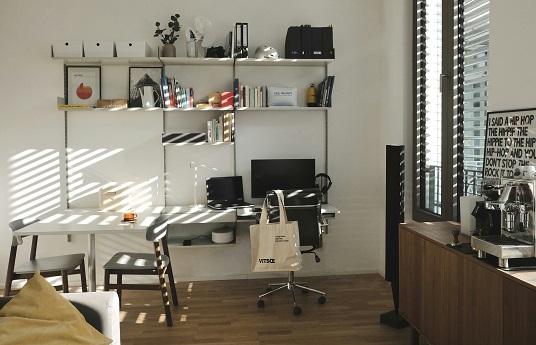
Introduction to Home Office Design
In recent years, the concept of a home office has gained significant prominence, particularly with the rise of remote work. A dedicated workspace within one’s residence allows individuals to separate their personal life from their professional obligations, fostering a more effective work environment. The design of a home office plays a crucial role in enhancing productivity and overall work experience. When considering the design of a home office, it is essential to recognize its benefits. First and foremost, a well-thought-out workspace can lead to increased productivity. By creating an environment specifically tailored for work, individuals can minimize distractions, maintain focus, and ultimately enhance their performance. Furthermore, a designated office space signals to the mind that it is time to engage in work-related tasks, thus promoting a constructive mindset.
In addition to productivity, a well-designed home office contributes to better work-life balance. With a distinct area allocated for work, individuals can delineate their professional activities from their home life. This separation helps to prevent the blurring of boundaries, enabling individuals to ‘switch off’ after work hours and engage more fully in personal or family time. Such organization is essential in reducing stress and promoting mental well-being.
Lastly, the ability to create a personalized work environment is another advantage of home office design. Individuals have the freedom to incorporate decorations, furniture, and equipment that resonate with their personal style and functional requirements. This customization can lead to increased comfort, satisfaction, and motivation while working from home. Considering all these factors, the importance of establishing a functional and inviting home office cannot be overstated.
Assessing Your Space
Creating an efficient home office begins with a thorough assessment of your available space. The first step in this process is recognizing the importance of natural light. Well-lit rooms can significantly enhance focus and productivity, so take note of windows and how they may impact your workspace. Ideally, position your desk near a window to enjoy daylight while working. However, ensure you also have blinds or curtains to manage glare on screens during peak sunlight hours.
Next, consider the noise levels in your home. A quiet environment is essential for concentration, especially if your work involves tasks requiring deep focus or frequent communication calls. If possible, choose a space away from high-traffic areas of the home, like the kitchen or living rooms. Use noise-canceling headphones or soundproofing techniques if your environment cannot be adequately quieted.
Evaluating the square footage of your designated area is also crucial. Measure the space to understand how much room you have for essential items, such as your desk, chair, and storage solutions. A cramped office can lead to frustration and decreased productivity. Ideal dimensions should allow for easy movement and accessibility to materials and equipment.
It is important to identify potential locations by exploring different rooms or corners within your home. A spare bedroom, basement, or even a quiet corner of the living room could serve as suitable options for your office. Moreover, consider the dynamics of your household, including children, pets, and the overall flow of daily life. Designating a specific area for your work that provides privacy and minimizes distractions will contribute positively to your working experience. By taking these factors into account, you can create a workspace that meets both your professional needs and personal comfort.
Choosing the Right Furniture
Designing a functional home office begins with the selection of the right furniture, as it plays a crucial role in both aesthetics and practicality. One of the foundational pieces is the desk. When choosing a desk, consider its size, shape, and functionality in relation to the space available. A spacious desk is essential for accommodating a computer, paperwork, and office supplies, while the material can influence both style and durability. You may opt for a sleek modern design or a more traditional wooden piece, depending on the overall decor of your office.
The next vital furniture item is the chair. An ergonomic chair is essential for maintaining comfort during long working hours. Look for features such as adjustable height, lumbar support, and breathable material to promote good posture and reduce fatigue. Investing in a high-quality chair can significantly enhance productivity, as discomfort can lead to distractions and decreased output.
In addition to the main furniture pieces, storage solutions should also be a priority. Integrated shelving, filing cabinets, and drawer units can help keep the workspace organized and clutter-free. Effective storage not only accommodates essential documents and office supplies but also contributes to a tidy environment that fosters creativity and focus.
When selecting furniture, it is also important to consider the overall aesthetic and functionality. Choose items that reflect your personal style and create an inviting atmosphere, while ensuring they serve their practical purpose effectively. Prioritize multipurpose furniture where possible, such as desks with built-in storage or chairs that can double as guest seating. By carefully considering each element of your home office setup, you will create a space that enhances productivity and suits your personal work style.
Essential Technology and Tools
Creating a functional home office begins with the right technology and tools that facilitate productivity and efficiency. At the foundation of every home office is a capable computer, which can either be a laptop or a desktop. When selecting a computer, it is essential to consider the specifications that meet your work demands, such as processing power, memory, and storage. This will ensure that you have a smooth computing experience while managing various tasks.
Another vital component is a quality printer. Depending on your work requirements, you may opt for an all-in-one printer that encompasses printing, scanning, and copying functions. This versatility can significantly enhance your efficiency by reducing the need for multiple devices. Additionally, having a reliable monitor can improve your comfort and display space. A larger monitor or a dual-monitor setup enables better multitasking, allowing you to work on multiple documents or applications simultaneously.
Furthermore, peripherals such as keyboards and mice should not be overlooked. Ergonomic options are available to cater to long hours of work, promoting comfort and reducing the risk of repetitive strain injuries. Additionally, paying attention to your internet connection is crucial in a home office setup. A stable, high-speed internet connection facilitates seamless communication and access to cloud-based applications, which are fundamental in today’s remote work environment.
Finally, organization is key in any workspace. Managing cables and tech accessories can prevent clutter, leading to a more visually appealing environment. Utilizing cable management solutions such as organizers and clips can make a significant difference in maintaining a tidy workspace. By investing in these essential technologies and tools, you prepare yourself for a highly functional home office that fosters productivity.
Creating an Inspiring Atmosphere
Designing a functional home office requires careful consideration of the atmosphere to foster creativity and maintain focus. The elements within your workspace play a critical role in shaping your productivity and overall mood. One of the primary factors to consider is the color scheme. Research suggests that certain colors can influence emotions and cognitive ability. For instance, blue hues are often associated with calmness and concentration, while warm tones like yellow can foster optimism and energy. Select a color palette that resonates with your personal style yet promotes the desired work ambiance.
In addition to color, incorporating artwork in your office can significantly enhance its appeal and inspire creativity. Choose pieces that resonate with your interests or evoke a sense of motivation. Art can serve not only as decoration but also as a source of inspiration. Consider a mix of framed prints, sculptures, or even personal photos that invite positive memories. Interactive elements, such as a whiteboard for brainstorming, can also encourage idea generation and keep you engaged.
Another essential aspect is the introduction of plants into your workspace. Studies have shown that indoor plants can improve air quality and reduce stress levels, making them a valuable addition to a home office. Select low-maintenance varieties such as succulents or snake plants, which thrive indoors and require minimal care. Additionally, these green accents can add a refreshing touch to the overall design, promoting a sense of warmth and tranquility.
Finally, personalizing your home office is vital to creating a space that reflects your taste and enhances your work experience. Incorporate elements that inspire you, such as motivational quotes, personal achievements, or even a custom calendar. An inspiring atmosphere tailored to your preferences can significantly impact your productivity and well-being.
Organizational Strategies
Maintaining an organized home office is essential for promoting efficiency and enhancing productivity. To achieve a well-structured workspace, it is essential to employ various organizational tools that cater to your individual needs and preferences. One popular method for keeping physical documents in order is to implement a robust filing system. This system can include categorized folders or binders for easy access to important papers, contracts, and other essential documents. Additionally, color-coding can be a valuable technique to facilitate a quicker retrieval process.
Desk organizers play a crucial role in minimizing clutter and efficiently arranging office supplies. These can range from simple trays to complex multi-compartment solutions designed to hold pens, business cards, and notepads. Utilizing vertical space with wall-mounted shelves or pegboards can also enhance overall organization, allowing you to keep essential tools close at hand without compromising valuable desk space.
In today’s digital age, digital management software is an increasingly popular organizational tool, allowing users to store, manage, and retrieve files with ease. Cloud-based solutions like Google Drive and Dropbox facilitate easy access to documents from any device. Additionally, task management applications such as Trello or Asana can help keep track of projects and deadlines, streamlining workflows and enhancing productivity.
Decluttering is another vital strategy in maintaining an organized home office. Regularly assessing the items on your desk and removing unnecessary objects can help in reducing distractions. Allocate specific times each week to tidy up your workspace and reorganize as needed. This practice not only creates a cleaner work environment but also fosters a more focused mindset.
By implementing these organizational strategies, you can create a functional home office that not only accommodates your workflow but also reflects your personal style. This balance of organization and comfort can ultimately lead to increased efficiency and a more enjoyable work experience.
Establishing Boundaries and Work Hours
Establishing clear boundaries and work hours is vital for ensuring productivity and maintaining mental health while working from home. Without these boundaries, the lines between professional and personal life can easily blur, leading to increased stress and a decrease in overall productivity. One effective way to combat this is by creating a dedicated work schedule that fits your personal lifestyle and commitments.
When setting a work schedule, consider your peak productivity hours. Some individuals are most focused in the early morning, while others may find that their concentration peaks in the afternoon or evening. Establishing a routine around these optimal working times can enhance both efficiency and output. Furthermore, it is essential to stick to this schedule consistently to develop a strong habit that signifies the beginning and end of the workday.
Communicating these boundaries to family members or housemates is equally important. By discussing your schedule with them and expressing your need for focused work time, you can create an environment that supports your work goals. Having a designated workspace, such as a home office, can also signal to others when you are “at work.” Use visual or auditory cues, like a closed door or noise-cancelling headphones, to reinforce these boundaries.
In addition to time management, implementing routines can greatly aid in transitioning between personal life and professional responsibilities. Simple actions, such as starting the day with a specific ritual or designing a clear shutdown routine at the end of your workday, can help reinforce this separation. By consistently practicing these strategies, you can improve your focus and ultimately foster a healthier work-from-home environment.
Adapting Your Office for Different Needs
Creating a versatile home office requires thoughtful planning to accommodate various tasks and work styles. As the nature of work evolves—encompassing video conferencing, creative projects, and collaborative endeavors—flexibility becomes crucial. Embracing modular furniture can significantly enhance adaptability. For instance, a desk with adjustable height settings allows users to switch between sitting and standing, catering to different working preferences.
Consider incorporating technology into your office space to facilitate dynamic working arrangements. A dedicated area for video conferencing should prioritize a neutral background, adequate lighting, and the right acoustics. By utilizing a simple but effective setup—a high-quality webcam and microphone—these features can dramatically improve communication during virtual meetings. Additionally, a movable screen or backdrop can aid in creating a professional appearance for video calls.
When engaging in creative work, having a designated creative corner within your office can foster inspiration. This area could include shelving for art supplies, a bulletin board for ideas, or space for a whiteboard to draft concepts. By clearly defining creative zones, you maintain focus while encouraging brainstorming and project development.
Moreover, to facilitate collaboration on shared projects, consider creating a communal workspace where team members can gather physically or virtually. Tools such as collaborative software and shared cloud storage can streamline communication and file sharing for remote teams. A comfortable seating arrangement with a large table can also invite collaboration when working in person, providing a conducive environment for brainstorming sessions.
Ultimately, by integrating adaptable furnishings and technology, you can craft a multi-functional home office that efficiently meets diverse needs while promoting comfort and productivity. This kind of thoughtful design not only supports individual workflows but also accommodates collective objectives, ensuring that your workspace remains relevant as requirements change.
Conclusion and Final Tips
Creating a functional home office is an essential step towards enhancing productivity and maintaining a healthy work-life balance. Throughout this guide, we have emphasized the importance of thoughtful design and the role it plays in maximizing efficiency. A well-designed home office not only fosters focus but also provides an environment that reduces distractions and supports your professional needs.
As you reflect on the key aspects of your workspace, consider elements such as ergonomics, lighting, and organization. Investing in a comfortable chair and desk can significantly improve your posture and reduce physical strain, which is crucial for long hours of work. Furthermore, optimizing natural light and utilizing task lighting can create a more inviting and energizing atmosphere, promoting better concentration.
It is also paramount to personalize your space. Incorporating elements that resonate with your style and preferences, such as artwork, plants, or color schemes, can motivate and elevate your mood. By creating a visually appealing environment, you are more likely to feel inspired and engaged with your tasks.
Lastly, it is important to regularly re-evaluate your workspace setup. As our work requirements evolve, so too should our home office design. Schedule periodic assessments to identify any changes needed to improve functionality. This practice ensures that your workspace continues to meet your needs and supports your changing workflow.
In conclusion, a well-planned home office can greatly influence your productivity and overall job satisfaction. By implementing these tips while remaining flexible to change, you can cultivate a workspace that is not only functional but also enjoyable to work in.