

Introduction to Smart Home Technology
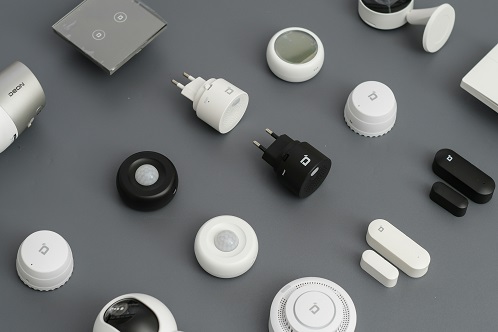
Smart home technology refers to a collection of devices and systems that enhance the automation, efficiency, and control of various functions within a home. Over the years, these technologies have evolved significantly, transitioning from basic home automation systems to highly sophisticated interconnectivity that characterizes modern smart homes. Initially, home automation was limited to simple tasks such as remote-controlled lighting or basic security systems. However, with advancements in technology and increased accessibility to the internet, today’s smart home devices can communicate with one another seamlessly, creating an interconnected ecosystem. The infrastructure of smart home technology is often built around a central hub that connects various devices, allowing users to control them from a single interface, such as a smartphone app or voice-activated assistant. This level of integration enables the automation of numerous household functions, including lighting controls, temperature regulation, security monitoring, and even the management of appliances. Each device can relay information and respond to commands, providing users with unprecedented control over their living environment.
Furthermore, the integration of smart home technology has been fueled by the rise of the Internet of Things (IoT), a concept in which everyday objects are embedded with sensors and connectivity features. As a result, home appliances such as refrigerators, thermostats, and security cameras can not only be monitored and controlled remotely but can also learn from user preferences and adapt their behaviors accordingly. This advance contributes to increased energy efficiency, enhanced security, and improved convenience for homeowners. As we delve deeper into the benefits of smart home technology, it is clear that this rising trend is transforming how we interact with our living spaces.
Enhanced Security Features
In today’s fast-paced world, enhancing home security has become a paramount concern for homeowners. Smart home technology offers innovative solutions to address these security challenges, significantly increasing the safety and peace of mind for families. Various features of smart technology work cohesively to ensure the protection of residential properties.
One of the foremost advancements in smart home security is the introduction of smart locks. These locks are designed to replace traditional ones, allowing homeowners to secure their doors without physical keys. Smart locks can be operated remotely via smartphone applications, giving users the ability to lock or unlock their doors from anywhere. Additionally, many smart locks come equipped with access logs, enabling homeowners to monitor who enters or exits their home.
Alongside smart locks, security cameras have evolved into sophisticated devices that provide real-time surveillance. These cameras can be installed both inside and outside the home, often featuring high-definition video, night vision, and two-way audio capabilities. Homeowners can receive instant alerts on their smartphones if motion is detected or if the camera captures anything unusual, facilitating a swift response.
Furthermore, motion detectors play a crucial role in smart home security systems. These devices can sense movement around the property and trigger alarms or notifications, further enhancing vigilance against unauthorized entry. Moreover, advanced alarm systems integrated with smart technology can be armed and disarmed conveniently through mobile devices. They also offer the ability to customize alerts based on user preferences, adding an extra layer of protection.
In conclusion, the adoption of smart home technology can substantially fortify residential security. By incorporating smart locks, security cameras, and motion detectors, homeowners can effectively monitor their properties, providing an invaluable sense of safety and confidence in their home environment.
Energy Efficiency and Cost Savings
Smart home technology has revolutionized the way we manage energy consumption in our households, leading to significant improvements in energy efficiency and cost savings. One of the most impactful innovations in this sector is the smart thermostat. These devices can learn user habits, allowing them to adjust heating and cooling schedules automatically. By optimizing temperature settings based on real-time occupancy and preferences, smart thermostats significantly reduce unnecessary energy use, which often translates to lower monthly utility bills.
In addition to smart thermostats, energy monitoring systems have emerged as powerful tools for enhancing home energy efficiency. These systems provide real-time data on energy consumption, helping homeowners identify patterns and areas for improvement. By monitoring energy use, individuals can make informed decisions about their consumption habits, leading to reductions in energy waste. Furthermore, some systems can send alerts when energy usage spikes, enabling users to take corrective action before receiving shockingly high bills.
Another integral component of smart home technology is the use of smart plugs. These devices allow users to control the power supply to various electronics remotely. By scheduling when devices turn on and off, or by shutting them down when not in use, homeowners can drastically cut down on phantom loads—energy consumed by devices that are plugged in but not actively in use. This level of control not only helps to minimize energy consumption but also contributes to financial savings over time.
Ultimately, the integration of smart technology solutions in the home leads to a more sustainable approach to energy usage, reducing the household’s environmental footprint while also providing economic benefits through lower utility costs. As awareness and adoption of these technologies grow, more households can embrace a future of enhanced energy efficiency.
Convenience and Comfort
Smart home technology has revolutionized the way we interact with our living spaces, providing enhanced convenience and comfort for users. One of the foremost components of this technology is the voice assistant, which serves as a central hub for controlling various devices. With simple voice commands, individuals can adjust their home environments without needing to physically engage with switches or controls. This hands-free operation not only saves time but also accommodates those with mobility challenges, thereby making homes more accessible.
Automated lighting systems further exemplify the convenience afforded by smart home solutions. These systems can be programmed to adjust the brightness and color of lights based on the time of day or the activities taking place within different rooms. Imagine walking into a house where the lights automatically brighten to welcome you home after a long day, or where they dim in anticipation of movie night. Such features enhance the overall ambience of a living space and cater to the preferences and routines of the inhabitants.
Moreover, smart appliances contribute significantly to daily convenience. From refrigerators that monitor food freshness to washing machines that can be controlled remotely via smartphones, these devices streamline everyday tasks. Smart ovens can even help in meal preparation by offering guided cooking instructions, ensuring that each dish is prepared to perfection. This interconnected ecosystem of devices not only enhances comfort through functionality but also supports energy efficiency, indicative of a future where homes can be both intuitive and sustainable.
Increased Property Value
The integration of smart home technology has become a transformative factor in the real estate market, often leading to enhanced property value. As homebuyers increasingly seek properties equipped with advanced technology, homes that feature smart devices tend to command higher selling prices compared to their traditional counterparts. According to recent studies, homes with smart technology have shown a price appreciation of up to 10% when placed on the market, making them more attractive to prospective buyers.
One of the primary reasons for this trend is the appeal of convenience and energy efficiency that smart home devices offer. Buyers are drawn to features such as smart thermostats, integrated security systems, and automated lighting, which not only promote a modern lifestyle but also contribute to long-term savings on utilities. This increasing appetite for technology in homes reflects a shift in consumer preferences, particularly among millennials and Gen Z, who prioritize tech-savvy environments.
Furthermore, the incorporation of smart technology can also lead to quicker sales, as properties that are equipped with these systems are often easier to market and showcase. Real estate agents frequently report that homes with smart features stand out in listings and attract more visits. This enhanced visibility is a direct outcome of the growing recognition that smart technologies offer homeowners additional layers of security, control, and efficiency.
Additionally, in metropolitan areas where the competition among home sellers is fierce, having smart technology installed can serve as a substantial differentiator. As buyers look to invest in homes that can provide long-term value, the presence of smart technology becomes not just a trend, but a necessary feature contributing to increased property value.
Remote Monitoring and Control
The advent of smart home technology has revolutionized the way homeowners can monitor and control their living environments, providing significant advantages in convenience and security. One of the most prominent features of smart home systems is the ability to remotely monitor various home systems through mobile applications. This functionality allows users to keep track of their home activities, regardless of their location, thus adding a layer of peace of mind.
With mobile apps linked to smart devices, homeowners can receive real-time notifications regarding their home’s status. For instance, alarm systems, smoke detectors, and even security cameras can be accessed remotely, offering immediate insights into potential concerns. If an unusual activity is detected, the homeowner can promptly check live feeds and respond accordingly, whether that means alerting authorities or simply verifying that the situation is harmless. This capability not only enhances safety but also empowers users to stay in control of their homes.
Furthermore, remote control features allow individuals to manage various systems to optimize energy efficiency and comfort. For example, thermostats can be adjusted from afar, ensuring that the home is at the desired temperature before occupants return. Lights can be turned on or off to give the appearance of occupancy, deterring potential intruders. Additionally, appliances can be monitored and controlled remotely, allowing users to turn off devices left running, which can lead to reduced energy costs and improved safety.
In summary, the ability to remotely monitor and control home systems offers invaluable advantages in terms of convenience and security. As smart home technology continues to evolve, these features will undoubtedly become even more integral to modern living, providing homeowners with enhanced capabilities that support their lifestyle choices.
Customization and Adaptability
Smart home technology has completely transformed the way individuals interact with their living spaces, offering unparalleled levels of customization and adaptability. One of the primary benefits of implementing smart technology in homes is the ability to create tailored environments that cater to specific preferences and lifestyles. This customization is achieved through an array of devices and applications that allow users to set personalized routines, automate daily tasks, and adjust settings to suit their needs.
For instance, smart lighting systems can be programmed to dim or change colors based on the time of day, enhancing the ambiance for various activities such as relaxation, entertaining guests, or studying. Furthermore, smart thermostats can learn user habits and automatically adjust the heating or cooling based on occupancy patterns, ensuring optimal comfort while promoting energy efficiency. Similarly, home security solutions can be customized to allow different access levels for family members, enhancing both safety and convenience.
The adaptability feature of smart home technology also enables users to modify their environments in real-time, accommodating changes in circumstances. For example, if a user plans to return home earlier than expected, they can easily adjust the settings through a smartphone app. Additionally, smart home devices can be integrated to communicate with each other, creating seamless interactions that adapt to the users’ preferences. These features not only streamline daily routines but also enhance the overall experience of living in a smart home.
Overall, the customization and adaptability offered by smart home technology empower individuals to create a living space that not only meets their practical needs but also reflects their unique lifestyles and preferences. This flexibility is a significant factor in improving day-to-day satisfaction and promoting a more enjoyable living environment.
Integration with Other Technologies
Smart home technology has revolutionized the way we interact with our living environments by enabling seamless integration among a variety of devices. This interconnected ecosystem includes not only smart home appliances, such as lights, thermostats, and security systems, but also extends to smartphones, wearable devices, and even smart vehicles. The ability for these devices to communicate with one another enhances their functionalities, thus creating a cohesive experience for users.
For instance, consider the integration of smart thermostats with smartphones. Users can remotely control their home’s temperature settings via a dedicated app on their mobile devices. This capability not only offers convenience but can also lead to significant energy savings, as individuals can adjust thermostat settings based on real-time information about occupancy and external weather conditions. Moreover, wearable devices such as smartwatches can play a pivotal role in providing alerts about residence security or offering reminders regarding household tasks, all while staying connected to the central smart home system.
Additionally, the synergy between smart home devices and smart vehicles is noteworthy. A driver can receive notifications on their vehicle’s dashboard about home security status or can even control home devices from the car. This integration exemplifies the broader roadmap of “smart living,” where technology is interwoven into daily activities, making life easier and more efficient. For example, arriving home could automatically trigger the lights to turn on, the thermostat to adjust, and security systems to disarm as the driver’s smartphone communicates with the home network.
In conclusion, the ability of smart home technology to integrate with various devices enhances the overall user experience by offering convenience, safety, and energy efficiency. As these integrated systems continue to evolve, they promise to bring further improvements in the smart living landscape.
Conclusion: The Future of Smart Homes
As we have explored throughout this discussion, the integration of smart home technology offers numerous benefits that can significantly enhance our daily lives. From improved energy efficiency and enhanced security to increased convenience and greater home customization, the advantages provided by smart devices are compelling. These systems allow for seamless integration that can lead to a more sustainable lifestyle while ensuring the safety and comfort of residents.
Looking ahead, the future of smart home technology appears bright, characterized by continuous advancements. Innovations in artificial intelligence, machine learning, and the Internet of Things (IoT) are paving the way for smarter, more intuitive home systems that will learn and adapt to the unique needs of their occupants. The use of voice-assisted technology and mobile applications is expected to become increasingly sophisticated, allowing users to control devices with minimal effort.
However, the evolution of smart homes is not without its challenges. Security concerns related to data privacy and hacking remain significant hurdles that must be addressed to build trust in these technologies. Additionally, the need for standardized protocols and interoperability among devices is paramount to maximize their potential. As consumers navigate these challenges, the necessity for thorough research and understanding of available options will grow.In essence, embracing smart home technology could lead to a transformative experience for many households. As technology continues to evolve, the doors to enhanced living will open wider, encouraging individuals and families to incorporate smart solutions into their homes. The notion of a fully automated home, responsive to our needs and preferences, is not merely a vision for the future—it is rapidly becoming a reality that holds the promise of simplifying and enriching our lives.