

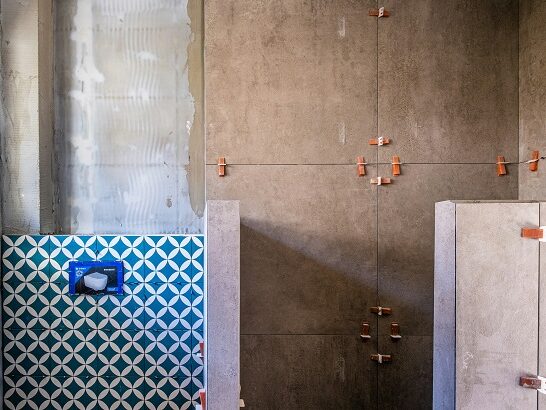
Introduction to Budget Bathroom Renovation
Embarking on a bathroom renovation can significantly enhance both the functionality and aesthetic appeal of one of the most frequently utilized spaces in a home. However, many homeowners often hesitate to undertake such a project due to concerns about the associated costs. While it is true that bathroom renovations can sometimes lead to substantial expenditures, there are numerous ways to transform an outdated space without exhausting one’s budget.
The motivations for renovating a bathroom are varied. Homeowners may wish to modernize an old-fashioned design, increase property value, improve energy efficiency, or simply create a more enjoyable and comfortable environment. Each of these reasons underscores the importance of ensuring that the renovation is appealing and functional while adhering to financial constraints.
Common mythologies surrounding the renovation process often involve a belief that achieving notable aesthetic changes necessitates a significant financial commitment. However, a well-planned budget renovation can achieve remarkable results without overspending. By carefully selecting which elements to upgrade and implementing cost-effective solutions, such as utilizing paint, updating fixtures, or overhauling the lighting, homeowners can successfully revamp their bathrooms.
Additionally, prioritizing specific areas for improvement can help optimize the renovation process. For example, focusing on high-impact areas such as vanity upgrades, smart storage solutions, or refreshed tiling can transform the overall look and feel of the space. Understanding your budget and setting clear goals will enable you to navigate potential expenses effectively.
In conclusion, bathroom renovations do not have to be synonymous with financial distress. With thoughtful planning and creative solutions, homeowners can achieve impressive outcomes that breathe new life into their bathrooms while staying within budgetary limits.
Setting a Realistic Budget
Embarking on a bathroom renovation can be both exciting and daunting, especially when it comes to finances. Setting a realistic budget is crucial for successfully navigating this home improvement project, ensuring that the results align not only with your vision but also with your financial limitations.
Begin by assessing the current costs associated with the bathroom renovation. This involves researching local market prices for materials, labor, and any additional features you may wish to include. Check suppliers and contractors in your area to gain insights into average costs, which will provide a clearer picture of what to expect. Understanding these trends will aid in creating a budget that reflects actual market conditions rather than unrealistic estimates.
Next, prioritize your renovation needs. Distinguish between must-haves and nice-to-haves. For instance, focusing on essential features like plumbing and fixtures should take precedence over aesthetic upgrades like decorative tiles. This approach will help allocate your finances effectively, ensuring that the primary functions of the bathroom are addressed first. By prioritizing your must-haves, you can significantly control expenses and avoid overspending on non-essentials.
Furthermore, incorporating a contingency fund into your budget is vital. Unexpected expenses can arise during renovations, from unforeseen structural issues to price fluctuations in materials. A rule of thumb is to set aside at least 10-20% of your total budget for unforeseen costs. Being prepared for these potential scenarios can alleviate stress and prevent financial strain during the renovation process.
In balancing cost-saving measures with quality, consider options like alternative materials or DIY projects where feasible. Researching lower-cost substitutes for premium materials or engaging in some of the simpler tasks yourself can lead to substantial savings without compromising the overall quality of your renovation.
DIY vs. Hiring Professionals
When it comes to bathroom renovations, homeowners often face the dilemma of whether to tackle the project as a do-it-yourself (DIY) task or hire professionals. Each approach carries its own sets of advantages and disadvantages that merit careful consideration.
One of the primary benefits of undertaking a DIY renovation is cost savings. Homeowners can substantially reduce labor costs by applying their own skills to the project, which can then be allocated to materials or other decor elements. Additionally, a DIY renovation offers the opportunity for personal expression and satisfaction as individuals can apply their vision to their living space. Simple tasks such as painting, installing fixtures, or laying tiles are often within reach for those with a moderate level of skill and experience.
However, not all projects are suitable for a DIY approach. Key areas such as plumbing and electrical work require specialized knowledge to ensure safety and adherence to local codes. Mistakes in these areas can lead to significant damage and increased expenses down the line. Therefore, for complex tasks or when in doubt, hiring a professional might be the more prudent choice.
Additionally, professionals bring a wealth of experience and expertise that can enhance the quality of the renovation. They are familiar with potential challenges and have access to a network of suppliers, potentially reducing costs on materials. Moreover, professionals are often equipped with the necessary tools, which can save the homeowner the need to invest in expensive equipment.
Ultimately, whether to pursue a DIY renovation or hire professionals will depend on the specific tasks involved, the homeowner’s skills and comfort level, and the scope of the project. Understanding the pros and cons of both options will help in making an informed decision that aligns with budget constraints and design desires.
Finding Affordable Materials and Fixtures
When embarking on a bathroom renovation on a budget, sourcing affordable materials and fixtures is critical. Quality should not be sacrificed even when cutting costs; therefore, there are several effective strategies to procure cost-efficient options without compromising on aesthetics or functionality.
One effective approach is to search for discounted items and overstock products. Many home improvement retailers offer clearance sections where high-quality materials, such as tiles, vanities, and fixtures, are greatly reduced in price. By keeping an eye on these sections, you can find excellent deals on items that are still in perfect condition.
Another avenue worth exploring is liquidation stores, which often sell surplus stock from businesses closing down or renovating their own spaces. These venues can yield substantial savings on bathroom essentials, from cabinetry to plumbing fixtures. Additionally, you might consider visiting local thrift stores or garage sales, where second-hand items can often be found at a fraction of their original prices. Purchasing second-hand fixtures not only reduces renovation costs but also adds unique character to your bathroom.
For those looking for budget-friendly materials that emulate more expensive options, consider alternatives such as laminate countertops instead of granite, or porcelain tiles that mimic marble. These materials can provide the desired aesthetic appeal without the severe financial burden. Paint can also be an effective tool for revitalizing existing items; a fresh coat of paint can breathe new life into old cabinets or fixtures.
Ultimately, by strategically sourcing affordable materials and fixtures, you can achieve a stylish and functional bathroom renovation while adhering to a budget. Employing these approaches can maximize your savings and result in a satisfying renovation experience.
Focusing on Key Updates
When embarking on a bathroom renovation on a budget, it is crucial to focus on updates that provide maximum impact with minimal expenditure. Prioritizing specific improvements can significantly transform the aesthetic and functionality of the space without necessitating a large financial outlay. One effective strategy to elevate your bathroom is by replacing outdated fixtures. New faucets, showerheads, and drawer pulls can modernize the space and create a fresher look. These changes are relatively inexpensive yet can dramatically alter the overall feel of your bathroom, shifting it from dated to stylish.
Another key area to consider is the application of fresh paint. Whether painting cabinets, walls, or even adding an accent color, a new coat of paint can revitalize the space. Darker colors can add depth, while lighter hues can create an illusion of a larger area. The choice of color can greatly influence the atmosphere of the bathroom, adding a touch of elegance or a soothing ambiance, all without demanding significant financial resources.
Updating lighting fixtures also plays a vital role in bathroom renovations. Enhancing the illumination can make a substantial difference, revealing the true colors and materials used in the bathroom. Consider adding layered lighting options, such as vanity lights or wall sconces, which can not only brighten up the area but also provide a modern flair.
Lastly, enhancing storage solutions can transform the functionality of your bathroom. Exploring options such as floating shelves, over-the-toilet storage, or revitalizing cabinets can declutter the space while maintaining style. These focused updates—replacing fixtures, refreshing paint, improving lighting, and optimizing storage—can create a substantially improved bathroom environment without extensive remodeling.
Repurposing Existing Features
When considering a bathroom renovation on a budget, one of the most effective approaches is to repurpose existing features. Preserving and enhancing the current elements can significantly reduce costs while still achieving a refreshed aesthetic. By focusing on refining what is already present, homeowners can create an appealing space without unnecessary expenses.
Refinishing cabinetry is a prime example of how one can breathe new life into outdated bathroom structures. A simple coat of paint or stain can transform old cabinets, enhancing their appearance and often providing a cohesive look that aligns with modern design trends. Opting for lighter tones can make the space feel larger and more inviting. Moreover, updating hardware like knobs and handles can also have a notable impact on the overall style.
Another cost-effective strategy involves renewing old tile. Many homeowners may overlook the potential of their existing tile work. By utilizing specialized tile paint, an old and perhaps unattractive tile surface can be revitalized with a fresh color or pattern. This innovative technique not only saves money but also allows for personal customization, enabling the homeowner to achieve their desired aesthetic without the need for complete tile replacement.
Additionally, leveraging existing plumbing fixtures can further minimize expenses associated with a renovation. Instead of relocating sinks, bathtubs, or toilets—an endeavor that can lead to significant plumbing costs—consider keeping them in their current positions. Enhancements can still be made by upgrading faucets and showerheads or changing out outdated toilets and sinks, which can modernize the space while using the established plumbing layout.
In conclusion, repurposing existing features in a bathroom renovation is a resourceful way to save on costs. Through refinishing cabinetry, renewing tile, and maintaining plumbing positions, homeowners can creatively maximize their investments and create inviting and stylish bathrooms while adhering to a budget.
The Power of Paint and Accessories
The bathroom is often considered a sanctuary within the home, a personal space where one can unwind and refresh. Budget renovations can significantly enhance the aesthetic appeal of this area, with paint and stylish accessories playing a key role. A fresh coat of paint can transform a mundane bathroom into an inviting retreat, offering a revitalized atmosphere without the high costs associated with extensive renovations.
When choosing paint, lighter colors such as soft whites, pastels, or light grays can create an illusion of more space. These shades are particularly effective in smaller bathrooms where space is limited. Additionally, you might consider using moisture-resistant paint specifically designed for bathrooms. Such paints not only resist mildew and mold but also ensure that the finish lasts longer in the often humid environment of a bathroom.
Incorporating color accents through painted accessories can further elevate the design without significant financial investment. Consider painting vanity cabinets in contrasting colors or opting for an accent wall to create visual interest. It is essential to strike a balance between bold colors and understated tones to maintain a cohesive look.
Beyond paint, accessories can dramatically enhance your bathroom’s accessibility and stylishness. Thoughtfully chosen towels, rugs, and decor items can inject personality and warmth into the space. Coordinating towel sets and plush rugs can add comfort and style. Additionally, decorative elements such as artwork or chic storage solutions can contribute to a polished appearance.
Utilizing the power of paint alongside well-selected accessories allows homeowners to achieve remarkable results within a budget. By focusing on these two aspects, you can create a rejuvenated bathroom that reflects your personal style, all while keeping costs manageable.
Planning and Timing Your Renovation
Undertaking a bathroom renovation can be a daunting yet rewarding project, especially when on a budget. Effective planning and timing are crucial for maximizing savings and minimizing disruptions during your renovation. To begin, it is essential to create a detailed timeline that outlines all phases of the renovation process. This allows for better organization and ensures tasks are performed in a logical sequence.
Start by defining your overarching goals for the renovation, including your budget constraints, desired materials, and any design preferences. Once your goals are clear, break the project into manageable tasks, such as demolition, plumbing, electrical work, drywall installation, and finishing touches. Assign estimated time frames to each task to create a comprehensive schedule. This ultimately helps in avoiding overlapping work that could lead to delays.
Additionally, consider the timing of your renovation carefully. One effective strategy for saving money is to plan your project during off-peak seasons. Typically, the demand for materials and labor might dip during the winter months, potentially leading to lower costs. By scheduling your renovation outside of peak seasons, you are more likely to secure better deals from suppliers and contractors.
Communicating effectively with local suppliers and potential contractors can also yield advantageous pricing. Confirm their availability and inquire about any upcoming discounts or promotions, which can further alleviate costs. Proper planning not only saves money but also enhances the efficiency of the renovation process. A well-structured schedule reduces stress, allowing homeowners to monitor the progress and make adjustments as needed without compromising their budget. Thus, meticulous planning and careful timing are key components of a successful bathroom renovation.
Conclusion and Final Thoughts
Renovating a bathroom can seem daunting, especially when working within a budget. However, through careful planning and consideration, a stunning and functional bathroom is well within reach. Throughout this post, we have discussed various tips that highlight the importance of creativity and practicality in budget renovations. From focusing on essential fixtures to exploring DIY options, each suggestion aims to maximize the impact of limited resources.
One key takeaway is that prioritizing items on your renovation checklist can lead you to make smarter purchasing decisions. Whether it involves refurbishing existing cabinets instead of replacing them or choosing cost-effective materials that mimic high-end finishes, smart strategies can help transform your space without breaking the bank. Moreover, investing time in research can uncover discounts on necessary items, allowing for more flexibility in your budget.
Another critical point is the value of incorporating personal touches and individual style into your bathroom design. Customization does not always require a hefty price tag; often, it is about thoughtful choices that reflect your personality, such as selecting unique accessories or a fresh coat of paint. By blending functionality with aesthetics, you can create a space that serves its purpose while also being a source of comfort and joy.
We encourage readers to engage with us by sharing their own experiences and practical tips related to bathroom renovations on a budget. Collaboration and inspiration from one another can provide additional insights into achieving admirable results without extensive expenditure. Remember, a beautiful bathroom is not just a luxury; it is a feasible project for anyone willing to invest time and effort into the process.