

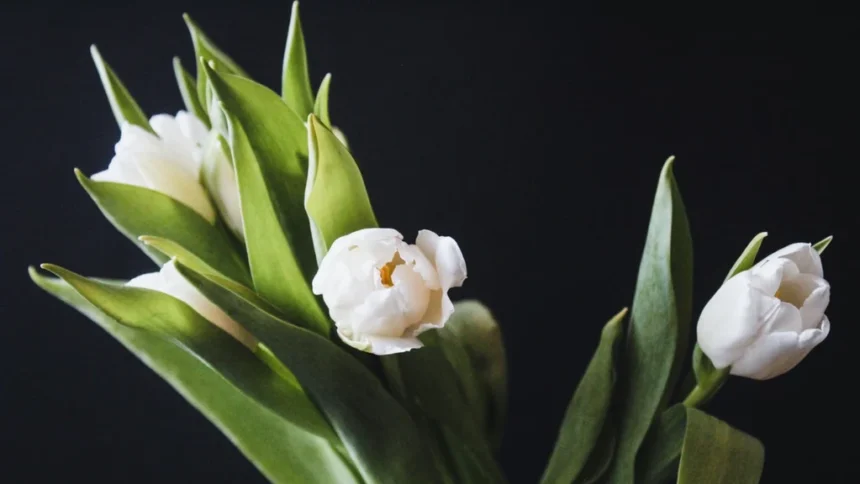
When someone dies, even a simple message can be hard to write. Sympathy flowers offer another way to show care: a physical gesture that can sit in a home or service space, quietly marking the fact that someone is remembered. This article considers why the tradition endures, how to choose an appropriate arrangement, and how flowers can sit alongside digital condolences without replacing them.
The lasting role of sympathy flowers
Flowers have long been used to acknowledge loss, but their meaning is not fixed or one-size-fits-all. For some people, they are a familiar part of a funeral or memorial; for others, they offer a gentle personal gesture when they are unsure what to say. Their value often lies in the care behind the choice, rather than in any particular bloom or display.
A visible expression when words feel inadequate
Grief can leave even close friends searching for words that feel equal to the moment. Sending flowers does not solve that problem, and it need not try to. It gives care a visible form, accompanied by a short note or simply offered as a sign that the bereaved person is not alone. That quiet presence of care can matter when conversation feels difficult.
A familiar tradition with room for personal meaning
A familiar gesture can be reassuring, but sympathy flowers do not have to follow a strict formula. A modest bunch chosen because the recipient loved its colors may feel more personal than a grand display selected out of obligation. Family customs, faith, and individual preferences all shape what feels appropriate, so it helps to think about the person receiving the gesture rather than relying on convention alone.
A gesture that acknowledges loss beyond the day of the service
Flowers are often associated with a funeral or memorial, yet remembrance does not end when guests leave. A delivery to someone’s home in the days that follow can recognize the quieter stretch of grief, when practical routines resume but the loss remains. The gesture can be small; what matters is that it reflects continuing care rather than a sense that there is a correct timetable for mourning.
What a physical gesture offers that a message can’t
A message can reach someone quickly, wherever they are, and it can be kept or reread. Flowers offer a different kind of presence: they occupy a real space and can be noticed throughout the day. Neither form of condolence is inherently better, and the most considerate choice depends on the recipient and the circumstances.
The comfort of something tangible in a difficult moment
During a difficult week, a physical delivery can be a reminder that someone made time to think of the bereaved person. It may sit on a table or near a window, present without asking for a reply. That can be useful when a person has little energy for conversation, though it is still worth checking whether deliveries would be welcome. A message and a physical gesture can offer different kinds of support.
How flowers bring warmth and beauty into a grieving space
A home or gathering place can feel unusually quiet after a death. Flowers add color and a natural focal point without requiring the recipient to respond or host a conversation. Their presence is temporary, which can be part of their appeal: they offer a small moment of beauty without suggesting that grief should be hurried along.
Why a thoughtful delivery can feel especially meaningful from afar
Distance can make it harder to show up in ordinary ways, but it does not prevent someone from sending a considered gesture. Before arranging a delivery, check that the address is current and that someone will be there to receive it. A simple note can explain why you are thinking of them, while a call or text gives them the option of connecting when they feel ready.
How flowers support grieving people and shared spaces
The right setting can help determine what kind of floral gesture makes sense. A home delivery may be intended for one person or family, while an arrangement at a service becomes part of a shared space where many people are remembering someone. In either case, flowers can express support without asking the bereaved to find words in return.
Bringing comfort to a home, funeral, or memorial
A smaller bouquet may suit a home, where it can be enjoyed privately and at the recipient’s own pace. Funeral flowers may be selected for a service or memorial space, where the family or organizers can advise what is welcome. Since venues differ, it is sensible to confirm delivery instructions before sending anything to a funeral home or place of worship.
Offering a gentle reminder that friends and family are thinking of someone
A card with flowers can make the sender’s care clear, especially when several people are gathering around a loss. There is no need to write at length. A direct expression of sympathy, a kind memory, or a simple offer to help can make the gesture feel specific to the person and relationship.
Recognizing that grief continues after the service ends
The days after a service can be an especially quiet time. Flowers sent later may let someone know that friends still remember the loss, even when the calendar has moved on. A few simple considerations can help make that follow-up feel caring rather than demanding:
- Check in without expecting an immediate reply.
- Offer a specific kind of practical help if you can provide it.
- Remember meaningful dates or milestones, while letting the grieving person set the pace.
These gestures do not need to be elaborate or frequent. A brief note or a thoughtful offer of help can be enough, and it leaves the recipient room to respond in their own way.
Choosing an arrangement that feels personal and appropriate
Choosing an arrangement can feel daunting when emotions are already running high. There is no single flower or color that is right for every family, and personal meaning may matter more than familiar symbolism. Start with what you know about the recipient, then consider the setting and any practical limits.
Considering the recipient’s preferences and cultural traditions
If you know what the person or family prefers, let that guide you. Some families welcome flowers; others may request donations, ask for a particular form of remembrance, or follow customs that shape what is appropriate. When you are unsure, asking someone close to the family is usually more thoughtful than guessing. Respecting a stated preference is itself a meaningful expression of care.
Choosing flowers, colors, and designs with care
A familiar flower can be a good choice, but there is no universal rule about what a sympathy arrangement must contain. A favorite bloom or color may feel especially personal, while a simple design can suit someone who prefers understated gestures. The setting can help narrow the choice, too. These broad distinctions can be a useful starting point, not a set of rules:
| Consideration | Possible direction | What to keep in mind |
| Recipient’s taste | A favorite flower or color | Choose what feels familiar to them |
| Home setting | A manageable bouquet or plant | Consider space and ongoing care |
| Funeral or memorial | An arrangement suited to the venue | Confirm what the family and venue welcome |
| Personal or cultural tradition | A gesture guided by family custom | Ask rather than assume if you are uncertain |
The most appropriate option is the one that respects the people involved and the place where it will arrive. If preferences are unknown, a restrained design and a sincere card are often a considerate way to proceed.
Deciding between a bouquet, a plant, or a service arrangement
A bouquet is temporary and can bring color into a home without asking the recipient to care for it long term. A plant lasts longer, which may suit some people but can also feel like an added responsibility. A service arrangement is intended for a shared setting, so check the venue’s guidance and the family’s wishes before choosing one. Let the circumstances, not the price or size, determine what feels right.
Sending sympathy flowers with care
The practical details matter because a well-intentioned delivery can create extra work if it arrives at the wrong place or time. A little checking beforehand helps the gesture land as intended. Keep the process simple, and follow any instructions from the family or venue.
Finding out where and when deliveries are welcome
Confirm whether flowers should go to a home, funeral home, or service location, and ask about the preferred delivery window. A family may be traveling, or the venue may have specific procedures for receiving arrangements. If plans are still changing, it may be kinder to wait until the family can confirm the details than to send something that needs to be redirected.
Including a sincere, personal card message
A card does not need to explain grief or find a perfect phrase. A few honest words can make the flowers feel connected to the relationship rather than like a formality. If you are unsure what to write, consider including one of these simple elements:
- A direct expression of sympathy.
- A brief, specific memory of the person who died.
- An offer of help that you can genuinely follow through on.
Choose only what feels natural to you; the message should not ask the bereaved person to comfort you or reply. Clear, warm language is often more helpful than trying to make a difficult moment sound polished.
Respecting the family’s wishes, budget, and timing
A meaningful gesture does not depend on spending a particular amount. A small arrangement, a card, or another form of support can be appropriate when it fits the family’s wishes and your own budget. If the family has requested no flowers, honor that request and choose a different way to show care. Timing matters, too: a thoughtful gesture is welcome when it fits the recipient’s circumstances, not simply when it is easiest to send.
Bringing together digital and in-person condolences
Digital messages are often the quickest way to reach someone, while flowers can add a physical sign of remembrance. The two approaches can work together without competing for attention. What matters is that each gesture reflects the relationship and gives the grieving person room to receive support in their own way.
Pairing flowers with a thoughtful text or online tribute
A brief text can let someone know that flowers are on the way, or offer sympathy when a delivery would not be suitable. An online tribute may give friends and relatives a place to share memories, depending on what the family has arranged. Keep any message personal and low-pressure; the recipient should not feel obliged to respond or acknowledge every expression of support.
Coordinating gestures with family and friends
When several people want to help, a quick check-in can prevent duplicate deliveries or clarify what the family would prefer. Coordination can also make room for other forms of support, such as meals, errands, or simply being available to listen. Asking what would be useful is often more considerate than assuming everyone wants the same gesture.
Choosing the kind of support that feels most genuine for the recipient
A bouquet, a private message, a visit, or practical help can each be meaningful in the right circumstances. Consider the recipient’s preferences, your relationship, and what you can sincerely offer. Sympathy flowers remain a recognizable way to express care, but they are only one part of a larger language of remembrance—and thoughtful support can take many forms.
Conclusion
Sympathy flowers still matter because they give care a visible, personal form at a time when words may feel limited. A considerate choice takes the recipient’s wishes, the setting, and the timing into account, whether the flowers arrive at home or at a service. Paired with a sincere note or another quiet act of support, they can remind someone that they are being thought of, without asking grief to follow a schedule.
Frequently Asked Questions
What are sympathy flowers meant to express?
They are a way to show care, remembrance, and support after a loss. A simple card can make the gesture more personal.
Are flowers appropriate for every funeral or memorial?
Not always. Families may have cultural or personal preferences, or request a different form of remembrance, so check before sending flowers.
Should sympathy flowers be sent to the home or the service?
Either may be appropriate, depending on the family’s wishes and the venue’s arrangements. Confirm the delivery location and timing before placing an order.
Is it better to send a bouquet or a plant?
It depends on the recipient. A bouquet is temporary, while a plant may need ongoing care; consider what would feel welcome rather than burdensome.
What should I write on a sympathy card?
A short, sincere message is enough. You might express sympathy, share a brief memory, or offer specific help you can provide.
Can I send flowers after the funeral?
Yes. A later delivery can acknowledge that grief continues after the service, provided it suits the recipient and their circumstances.
What if the family asks for no flowers?
Respect the request and consider another way to offer support, such as a card, a donation if requested, or practical help.