

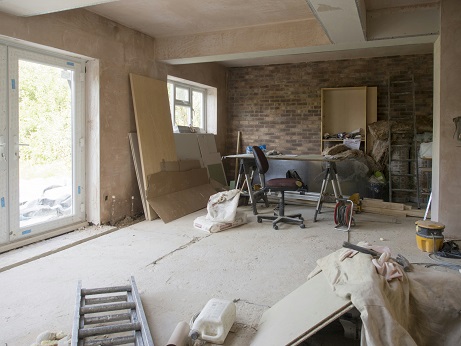
Introduction to Home Renovation Planning
Home renovation planning is a critical process that lays the foundation for a successful renovation project. It involves careful consideration and strategic planning to ensure that the desired changes align with both the homeowner’s goals and practical feasibility. Effective planning can help homeowners maximize the benefits of renovating their residences, whether those are aesthetic enhancements, functional improvements, or equity investment. One of the primary reasons homeowners choose to undertake renovations is to increase the overall value of their property. The real estate market can be highly competitive, and having a well-renovated home can set a property apart, making it more appealing to prospective buyers. Strategic updates, such as kitchen and bathroom remodels, often yield a significant return on investment, thus enhancing the home’s market value.
Improving functionality is another crucial aspect of home renovation planning. Over time, families grow, lifestyles change, and certain spaces may no longer serve their intended purpose. Renovation can adapt a home to better suit current needs—whether that means creating additional living space, improving storage solutions, or updating layouts to promote better flow and ease of use.
Updating aesthetics also plays a vital role in home renovations. Homeowners increasingly seek to refresh their living environments to reflect personal style and contemporary design trends. Whether through new paint, flooring, or the addition of modern amenities, renovations provide an opportunity to enhance the visual appeal of a home, making it more enjoyable and functional.
In summary, careful planning is imperative for any successful home renovation project. From boosting property value and enhancing functionality to improving aesthetics, understanding the various motivations behind renovations and the necessity of solid planning is essential for a fruitful outcome.
Setting Goals and Budgeting for Your Renovation
Embarking on a home renovation project necessitates a clear framework of goals and a well-structured budget to ensure success. The first step involves defining what areas of your home require renovation. This could include updating outdated kitchens, refurbishing bathrooms, or creating additional living space. Identifying the specific objectives behind each renovation will help maintain focus and guide decision-making throughout the project.
Once you have established the goals, the next crucial step is to develop a realistic budget. Consider the scope of work required to achieve your renovation objectives and outline the anticipated costs associated with materials, labor, and permits. A detailed budget allows you to allocate resources accordingly, ensuring no aspect of the renovation is overlooked. Additionally, it could be beneficial to seek quotes from contractors to get a clearer picture of potential expenditures.
While planning, it is imperative to include a contingency fund within your budget. Unexpected costs frequently arise in renovation projects, whether due to structural issues discovered during demolition or price increases in materials. Generally, setting aside 10-20% of your total budget for unforeseen expenses provides a financial buffer that can absorb these surprises without derailing your renovation plans.
Ultimately, aligning your goals with a realistic budget maximizes the capacity for a successful home renovation. Establishing clear objectives ensures purposeful decision-making, while a comprehensive budget safeguards against financial stress. While the process may be intricate, carefully considering these elements will lay a strong foundation for your home improvement journey.
Research and Inspiration: Finding Your Style
Embarking on a home renovation project necessitates a clear understanding of design styles that resonate with your personal taste and functional requirements. The first step in this creative journey involves extensive research into various design aesthetics. Homeowners should explore different styles such as contemporary, traditional, rustic, and minimalist to identify elements that appeal to them. Resources such as design magazines, online platforms, and social media channels serve as excellent starting points. Websites like Pinterest and Houzz can provide a plethora of visual inspirations and real-life examples to help solidify your vision.
Creating a vision board is a crucial element in the research phase. This board, whether digital or physical, can compile images, color swatches, materials, and furniture ideas that reflect your preferred style. As you gather these visual cues, aim for cohesion in the elements displayed. The vision board acts not only as a source of motivation but also as a practical tool to communicate your style ideas with contractors and designers.
Additionally, staying updated with current design trends can greatly influence your renovation decisions. Trends can shift rapidly, and what may seem cutting-edge today could quickly feel outdated. Carefully consider which trends align with your unique tastes—and discern whether to incorporate them into your design plans or to stick with timeless elements that will last through the years. A blend of personal style and contemporary trends can yield a refreshing result, ensuring that your renovated space is both stylish and functional.
Ultimately, investing time in research and gathering inspiration is integral to successful home renovation planning. This comprehensive approach not only provides clarity in style selection but also enriches the overall design process, ensuring that your home reflects your identity and fulfills your lifestyle needs.
Choosing the Right Contractors and Professionals
When embarking on a home renovation project, selecting the appropriate contractors and professionals is crucial for ensuring a successful outcome. Whether you require the expertise of a general contractor, architect, or interior designer, understanding how to find, evaluate, and choose the right individuals or firms can significantly impact the renovation process.
Begin with research. Identify potential contractors and professionals in your area by leveraging online resources, industry directories, and local recommendations. Your social network can also be valuable; inquire among friends or family who have undergone similar renovations. Once a list has been compiled, it is essential to evaluate the qualifications of each candidate. Review their credentials, including licenses, certifications, and insurance, to ascertain their legitimacy and capacity to manage your renovation.
Checking references is another critical step. A reputable contractor should be willing to provide contacts from previous clients who can speak to the quality of their work and professionalism. Be sure to ask these references about their overall satisfaction, adherence to timelines, and ability to communicate effectively during the project.
As you narrow down your options, arrange interviews with the top candidates. Prepare a list of questions that address your specific needs, such as their approach to project management, experience with similar renovations, and the expected timeline for completion. During these conversations, assess their communication style and willingness to collaborate, as a good working relationship can greatly enhance the renovation experience.
Ultimately, the right contractor or professional will not only possess the necessary skills and experience but also demonstrate a commitment to understanding your vision and delivering on it effectively. By following these guidelines, you will be well-equipped to make informed choices that best align with your renovation plans.
Permits and Regulations: What You Need to Know
Undertaking a home renovation project often requires navigating through a complex landscape of permits and regulations. Understanding these legal requirements is crucial for ensuring that your renovation is compliant and avoids any potential legal complications. Homeowners typically need to obtain various permits, which can include building permits, electrical permits, plumbing permits, and more, depending on the scope and nature of the work being carried out.
The first step in the permitting process is to consult your local building authority. They can provide guidance on the specific permits needed for your renovation project and any associated fees. It is advisable to research whether any homeowners’ association (HOA) rules apply to your property; adhering to these rules could save you from costly setbacks later in the project.
In addition to obtaining the necessary permits, understanding local building codes and zoning regulations is essential. Building codes are designed to ensure that all renovations meet certain safety, structural, and aesthetic standards. These codes can vary widely by location, so homeowners should refer to local regulations for details. Zoning laws may also have an impact on your renovation, especially if you plan to expand the footprint of your home or change the use of the space. Considerations might include restrictions on building height, property lines, and land use.
Once you have identified the required permits, it is important to submit your applications promptly to avoid unnecessary delays. The approval process can take time, and it’s essential to factor this into your renovation timeline. Employing the services of a licensed contractor familiar with local regulations can also streamline the process, ensuring that your projects adhere to relevant laws and codes. Ultimately, taking the time to understand permits and regulations is a key step in the successful planning of your home renovation.
Creating a Detailed Project Timeline
A well-structured project timeline is crucial for a successful home renovation. It acts as a roadmap, guiding and coordinating various aspects of the renovation process. Establishing a realistic schedule helps manage expectations for both homeowners and contractors, leading to a smoother execution. To create an effective timeline, one must first outline all phases of the renovation on a detailed list, including design, procurement, construction, and finishing stages.
When developing the timeline, it is essential to set measurable deadlines for each phase. This process should begin by assessing how long each task typically takes and then allocating a sufficient buffer for unexpected delays. Flexibility is key here; even the best-laid plans can go awry due to unforeseen circumstances, such as weather changes, supply chain disruptions, or unanticipated structural issues. By incorporating flexibility into the project timeline, homeowners can better adapt to these situations, minimizing stress and maintaining momentum.
Moreover, utilizing project management tools can significantly enhance the planning process. These tools allow homeowners and contractors to visualize the timeline through Gantt charts or Kanban boards, making it easier to track progress and adjust schedules as necessary. Regular check-ins and communication among all parties involved are vital—as renovation projects can change rapidly, it is important to keep everyone informed to minimize confusion. Establishing an open line of communication fosters collaboration, ensuring that adjustments to deadlines consider the needs of all stakeholders.
In creating a detailed project timeline, combining a structured approach with adaptability can set the foundation for a successful home renovation. A careful balance of planning and flexibility allows for the journey to be as stress-free as possible while achieving desired results.
Choosing Materials and Products
When embarking on a home renovation project, selecting the right materials and products is crucial. The choices you make not only impact the functionality and aesthetic appeal of the space but also influence long-term durability and maintenance. Therefore, it is essential to consider aspects such as durability, style, cost, and environmental impact when deciding on materials.
Durability should be one of the foremost factors in your decision-making process. Products that are built to last can significantly reduce the frequency and cost of repairs in the long run. For instance, if you are renovating a kitchen, selecting high-quality countertops and cabinetry can withstand wear and tear over time, proving to be a cost-effective investment. Additionally, it is advisable to research warranties offered by manufacturers, as these can provide insights into the lifecycle and reliability of the products.
Style is another important consideration. Ensure that the materials you choose complement the overall design aesthetic of your home. Whether you prefer modern, rustic, or traditional styles, there are numerous options available. Visiting showrooms or engaging with interior design professionals can aid in visualizing how different materials work together, creating cohesion throughout your home.
Cost is inherently a significant factor in material selection. Set a realistic budget and assess the cost-effectiveness of different product options. While it may be tempting to opt for cheaper materials, consider the potential for higher long-term costs regarding replacements or maintenance. Balancing quality with affordability can yield satisfying results.
Environmental impact is becoming increasingly important in contemporary renovation strategies. Look for sustainably sourced materials and consider the eco-friendliness of the products, including energy efficiency and recyclability. Sourcing local materials can also reduce carbon footprints and support local economies.
In summary, careful consideration of durability, style, cost, and environmental impact is paramount when choosing materials and products for your home renovation. By prioritizing these factors, homeowners can achieve a successful renovation that not only meets functional needs but also aligns with personal values.
Managing the Renovation Process
Effective management of the renovation process is crucial for ensuring that the project runs smoothly and meets your expectations. This stage begins immediately after the plans are finalized and contracts are signed. One of the first essential steps is maintaining clear and open communication with contractors. Regular discussions can help clarify expectations and provide updates on progress. Be sure to establish preferred methods of communication, whether it be email, phone calls, or in-person meetings, and schedule regular check-ins to discuss milestones and any emerging concerns.
Another vital aspect of managing the renovation process is overseeing the project timeline. Renovations often involve various phases, including demolition, construction, and finishing. Familiarize yourself with each phase and its expected duration to set realistic timelines. A project timeline provides a framework for progress tracking, allowing for timely identification of delays. If issues arise that threaten to extend timelines, it is essential to engage with your contractor to understand the causes and seek solutions collaboratively. This not only helps mitigate delays but also ensures that the quality of work is not compromised.
Moreover, anticipate potential challenges that may occur during the renovation process. Unforeseen issues such as structural problems or supply chain delays can happen, so it is wise to set aside a contingency fund to address these unplanned expenses. Remaining adaptable and maintaining a positive approach when problems arise can significantly contribute to a successful renovation experience. Finally, keep an open line for feedback with your contractors, allowing them to express any challenges they face. Effective management not only protects your investment but also helps you ensure that the renovation process is as stress-free as possible.
Final Touches and Enjoying Your New Space
After the hard work and planning that goes into a home renovation, putting the final touches on your newly transformed space becomes an important and gratifying step. This process can include a variety of tasks, such as staging, decorating, and personalizing the rooms to reflect your style and preferences. Each element you choose will enrich the overall aesthetic and functionality of your home.
Staging plays a crucial role in optimizing the functionality of your space. This involves arranging furniture in a way that makes each room feel inviting, spacious, and practical. Consider how you will be using the space for different activities and make choices that support your lifestyle. For instance, in a living room, ensure seating is comfortable and encourages conversation. In contrast, a kitchen should promote ease of movement and efficiency while you prepare meals.
Once staging is complete, the next phase is decorating. This allows you to express your personality through colors, textures, and furnishings. Selecting artwork, choosing paint colors, and incorporating personal items can dramatically enhance the warmth and character of your home. Remember to maintain a cohesive theme throughout your interior to create a harmonious ambiance that resonates with every visitor.
The completion of your renovation is not merely a functional upgrade; it is also an opportunity for celebration. Take moments to revel in your achievement, whether it’s hosting a small gathering to showcase your new space or indulging in a quiet evening that allows you to appreciate the transformation. Engaging with your renovated home on a personal level will not only ensure you enjoy it but also help you create lasting memories in your newly improved environment.