

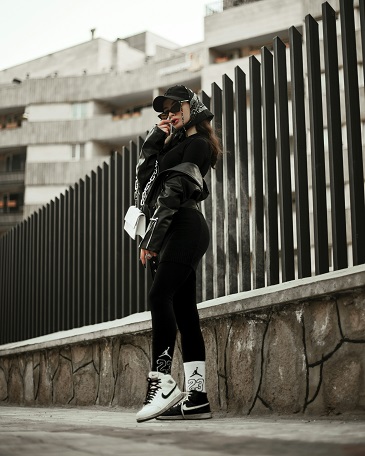
Introduction to Casual Streetwear
Casual streetwear has rapidly emerged as a dominant fashion trend, primarily drawing inspiration from urban culture, skateboarding, and the broader youth movements. This style is characterized by its emphasis on comfort, individuality, and personal expression, making it a cherished choice across diverse demographics. The origins of streetwear can be traced back to the 1980s, when it began to reflect the lifestyles of city dwellers and the burgeoning skate culture. Influential figures, notably those in the skateboarding community, started to design apparel that was both functional and aesthetically appealing, thereby forging a distinct connection between street culture and fashion. This era also witnessed the rise of hip-hop, which further contributed to the formation of a style that celebrated authenticity and self-identity.
As time progressed, casual streetwear underwent various transformations, adapting to changing social trends and technological advancements. High-profile collaborations between streetwear designers and luxury brands have helped to elevate its status, pushing it beyond its origins into a global fashion phenomenon. What began as a niche aesthetic has been embraced by mainstream audiences, who have integrated these styles into their everyday wardrobes.
Today, casual streetwear is a rich tapestry of influences, styles, and cultural references. From oversized hoodies and graphic tees to joggers and fashionable sneakers, the movement promotes an essential principle of comfort without sacrificing style. This adaptability allows individuals to express their unique identities while engaging in a broader narrative of self-expression that encompasses art, music, and lifestyle choices. As such, casual streetwear continues to play a vital role in shaping contemporary fashion, firmly establishing itself as an influential and enduring trend.
Key Features of Casual Streetwear
Casual streetwear has become a prominent fashion choice for individuals seeking comfort mixed with style. A few key elements define this trend, prominently featuring oversized silhouettes, graphic tees, joggers, and sneakers. Oversized silhouettes are particularly noteworthy as they encapsulate the essence of casual chic. This style allows for loose-fitting garments that not only provide a relaxed look but also enhance mobility, making it a favored option in streetwear culture.
Graphic tees serve as another cornerstone of casual streetwear, often emblazoned with vibrant designs, logos, or artistic expressions. These tees allow wearers to showcase their personal style and viewpoints, making them integral to the overall aesthetic. The designs on these tees often reflect contemporary themes, cultural references, or unique artistry, thus resonating profoundly with the urban audience.
Joggers, which meld comfort with style, have surged in popularity in casual streetwear. Typically made from soft, flexible materials, joggers are designed to provide a streamlined silhouette while ensuring ease of movement. Their versatility complements a variety of outfits, whether paired with graphic tees or hoodies, thereby solidifying their presence in both casual and activewear contexts.
No casual streetwear ensemble is complete without the quintessential sneakers. Sneakers have transcended their functional origins to become a key fashion statement. With countless styles available, from high-tops to low-tops, they are designed to offer comfort and elevate any casual look. These footwear options often integrate innovative designs and technologies, ensuring that wearers not only look fashionable but also feel comfortable throughout the day.
In essence, the combination of oversized silhouettes, graphic tees, joggers, and sneakers creates an appealing aesthetic that defines casual streetwear. The flexibility and creativity inherent in these key features enable individuals to express their identities while embracing comfort in their everyday attire.
Popular Brands Influencing Streetwear Trends
In recent years, casual streetwear has emerged as a dominant force in the fashion industry, with several brands leading the charge in shaping its evolution. Among these, Supreme, Off-White, and Nike have made significant contributions that have not only influenced current trends but have redefined the parameters of streetwear itself.
Founded in 1994, Supreme has become a cultural icon, known for its distinctive logo and its ability to merge skate culture with high fashion. The brand’s collaborations with various artists, musicians, and designers have resulted in limited edition pieces that create a buzz in the fashion community. By releasing items in intentionally scarce quantities, Supreme has cultivated a sense of exclusivity and desirability, pushing consumers to engage in streetwear culture more intensely.
Off-White, under the creative direction of the late Virgil Abloh, has also played a pivotal role in the streetwear scene. Abloh’s innovative designs, characterized by bold graphics, diagonal stripes, and quotations on garments, have resonated with a youth demographic that seeks to express individuality. The brand’s ability to seamlessly blend high fashion with street influence has made its pieces seem both accessible and aspirational, reflecting the ethos of contemporary streetwear.
Similarly, Nike has redefined the footwear aspect of casual streetwear, consistently delivering performance-oriented sneakers that have transcended their original athletic purpose. Collaborations with well-known designers and influencers, including Travis Scott and Virgil Abloh, have resulted in unique silhouettes that dominate both the streets and runways. Through constant innovation and strategic marketing, Nike remains at the forefront of streetwear trends, solidifying its status as a leader in the casual fashion landscape.
These brands, among others, continue to shape the landscape of casual streetwear, influencing how individuals express themselves and interact with fashion. Their innovative approaches and unique philosophies serve as a catalyst for creativity within the fashion industry, further solidifying the place of streetwear in modern culture.
The Role of Social Media in Streetwear Trends
Social media platforms, particularly Instagram and TikTok, have significantly transformed the landscape of casual streetwear trends. These platforms serve not only as avenues for self-expression but also as vital channels for trend dissemination among a diverse audience. Instagram, with its visual appeal, allows brands and fashion enthusiasts alike to showcase their latest looks, collections, and styles, making it a central hub for streetwear inspiration.
Influencers and fashion icons leverage their substantial social media followings to impact style choices among their audience. These individuals often collaborate with streetwear brands to promote specific pieces or collections, driving their followers to adopt similar styles. Their posts create a sense of urgency and exclusivity, utilizing limited-edition releases or pop-up drops that prompt immediate consumer action. Consequently, followers find themselves not only consuming content but actively participating in a cultural movement surrounding casual streetwear.
TikTok’s rapid rise has altered the way trends are created and spread. With features like short video clips and engaging challenges, this platform encourages users to showcase creative ways to style their streetwear. Viral trends often emerge from user-generated content, where the average consumer can influence the fashion narrative just as powerfully as established influencers. This democratization of style allows for a diverse range of voices and interpretations within the streetwear community, broadening the appeal and accessibility of various fashion statements.
Additionally, the immediacy of social media allows trends to evolve at an unprecedented pace. What is popular one day may quickly fade, only to be replaced by another emerging style days later. This fluidity keeps consumers engaged and always on the lookout for the next big trend in casual streetwear. The rich interaction of influencers, brands, and users on these platforms highlights the powerful role social media plays in shaping modern fashion landscapes.
Streetwear and Sustainability
The streetwear movement has rapidly evolved from its urban roots to a global phenomenon, and with this evolution comes a heightened emphasis on sustainability. As consumers become increasingly aware of environmental issues, they are seeking brands that not only provide stylish apparel but also commit to eco-friendly practices. This shift has prompted streetwear brands to reassess their production processes and materials in order to align with the values of conscious consumers.
Many streetwear labels are now integrating sustainable materials, such as organic cotton, recycled polyester, and biodegradable fabrics into their collections. Major brands are also investing in sustainable manufacturing processes that minimize waste and reduce carbon footprints. For instance, some companies have adopted closed-loop systems, where used garments are collected, recycled and transformed into new items, thereby creating a circular economy.
The rise of ethical sourcing is another significant trend within the streetwear sector. Brands are increasingly prioritizing transparency in their supply chains, ensuring that their materials are sourced responsibly and that their workers are treated fairly. This commitment to ethical practices not only enhances the credibility of these brands but also resonates with consumers who are willing to pay a premium for products that reflect their values.
Additionally, the streetwear community is fostering a culture of upcycling and thrift shopping, further illustrating the movement’s shift towards sustainability. Enthusiasts are now turning to second-hand clothing as a way to express individuality while reducing waste. This trend not only supports sustainable fashion but also encourages creativity in styling.
Overall, the streetwear movement is demonstrating that it is possible to be both fashionable and environmentally conscious. As more brands adopt sustainable practices, the convergence of streetwear and sustainability is likely to continue growing, reflecting the ever-evolving priorities of contemporary consumers.
Streetwear’s Influence on High Fashion
In recent years, streetwear has emerged as a significant influence on the world of high fashion, revolutionizing traditional perceptions of luxury and casual attire. Streetwear, characterized by its laid-back aesthetics, graphic designs, and urban culture, has found its way onto the runways of prestigious fashion shows, compelling designers and luxury brands to rethink their offerings. This intersection of streetwear and high fashion signifies a cultural shift, where casual wear is no longer deemed separate from formal attire.
High-profile collaborations between renowned luxury labels and streetwear brands exemplify this trend. Brands such as Louis Vuitton have partnered with streetwear icons like Supreme, creating limited edition collections that blur the lines between the two fashion domains. These collaborations have not only generated significant commercial success but have also garnered considerable media attention, highlighting the growing acceptance and importance of streetwear elements in high fashion collections.
Moreover, luxury brands are increasingly incorporating street-inspired designs into their collections. Features like oversized silhouettes, logo-centric motifs, and athleisure styles are now commonplace in high-end fashion. Designers are adapting these streetwear elements to create pieces that resonate with a younger, more diverse audience seeking to merge comfort and style. This shift has encouraged a more relaxed approach to dressing, where streetwear serves as a bridge between everyday wear and high-fashion sophistication.
The fusion of streetwear and high fashion has resulted in a democratization of luxury, allowing consumers to embrace a more casual, yet stylish, wardrobe. As the lines continue to blur, it is evident that streetwear’s influence on high fashion is profound, challenging norms and setting new trends that reflect the evolving nature of style in contemporary society.
Styling Casual Streetwear
Casual streetwear has become a significant trend in contemporary fashion, blending comfort with style. Successfully styling casual streetwear outfits involves understanding the art of layering, accessorizing, and mixing different pieces to create distinctive looks that are both expressive and fashionable.
Layering is a crucial technique in the realm of casual streetwear. Begin with a base layer, such as a simple t-shirt or a fitted long-sleeve top. This can be complemented with an oversized hoodie or a unique bomber jacket. The key is to balance proportions; if you opt for a loose top, consider pairing it with slimmer-fitting bottoms, like tapered joggers or skinny jeans. Furthermore, consider seasonal layers; lightweight jackets in spring and heavier outerwear in winter can enhance functionality while keeping the aesthetic intact.
Accessorizing is equally important in creating a distinctive streetwear look. Accessories such as caps, beanies, and sunglasses can elevate an outfit significantly. For footwear, choose trendy sneakers that not only complement your attire but also add a personal touch. Additionally, vibrant backpacks or crossbody bags can serve both functional and stylistic purposes in casual streetwear. When selecting accessories, aim for pieces that reflect your personality, as they can transform an otherwise simple outfit into something eye-catching.
Mixing and matching different textures and colors is another effective strategy in curating casual outfits. Look for graphic tees or patterned items that can be paired with solid colors to create a cohesive appearance. Experimenting with various fabrics, such as denim, cotton, and knitwear, adds depth and visual interest. Ultimately, the goal is to express individuality while maintaining the casual essence of streetwear.
By employing these styling tips, you can master the art of casual streetwear, creating unique looks for various occasions, from casual outings to social events, personalizing your wardrobe while embracing current trends.
The Future of Casual Streetwear
The trajectory of casual streetwear is poised for intriguing evolution in the coming years. As fashion is fundamentally tied to social movements and cultural narratives, the next iteration of casual streetwear will undoubtedly be influenced by societal shifts, technological advancements, and a growing emphasis on sustainability. Designers and brands increasingly recognize the need to align their offerings with the values of a socially conscious consumer base. Thus, styles that prioritize ethical production practices are likely to emerge, as well as collections that cater to eco-friendly preferences.
Furthermore, as technology continues to integrate into daily life, the casual streetwear market may embrace innovations such as smart textiles and wearable technology. This fusion of fashion and functionality may lead to designs that not only enhance aesthetic appeal but also serve practical purposes. Imagine streetwear pieces that incorporate health-monitoring capabilities, or jackets that can adjust temperature based on weather conditions. Such developments hold the potential to redefine the casual streetwear experience.
Culturally, the influence of social media on fashion trends will persist. Platforms like TikTok and Instagram are shaping not only consumer choices but also how styles are disseminated and adopted. The speed at which trends can go viral means that the casual streetwear landscape may shift more rapidly than in the past. In addition, the blending of various cultural elements—drawing inspiration from different global perspectives—can be expected. This amalgamation might result in eclectic styles that transcend traditional boundaries, further promoting individuality in street fashion.
Overall, the future of casual streetwear appears dynamic and multifaceted, characterized by a blend of innovation, sustainability, and cultural diversity. Brands that are adaptable, intentional, and responsive to the changing landscape will likely thrive as they capitalize on these burgeoning trends.
Conclusion: Embracing Casual Streetwear
Casual streetwear has undeniably shifted from a niche subculture to a dominant force within the global fashion landscape. This evolution is marked by the unique ability of streetwear to fuse comfort, individuality, and art into everyday clothing. Throughout this discussion, we have explored various aspects that contribute to its growing popularity, such as the influence of social media, collaborations with high-fashion brands, and the rise of sustainable practices within the industry.
One of the key components driving the success of casual streetwear is its adaptability. The aesthetic not only appeals to a wide demographic but also allows for personal expression, enabling wearers to craft their own narratives through style. Inclusivity and diversity are increasingly visible, as brands strive to create collections that resonate with various cultural backgrounds and demographics. This shift is not only pivotal in attracting a broader audience, but it also underlines the significance of representation in fashion.
Moreover, the potential for growth and evolution in the realm of casual streetwear is noteworthy. As technology continues to advance, so does the ability for brands to engage with their consumers in novel and meaningful ways. From augmented reality experiences to customized shopping options, the merging of technology and fashion is paving the way for future trends. Furthermore, sustainability remains a critical focus, with many brands prioritizing eco-friendly materials and ethical production methods.
As we reflect on the casual streetwear movement, it is evident that its popularity is not a fleeting trend but a significant development within the fashion industry. The combination of creativity, flexibility, and the emphasis on community engagement will likely ensure that casual streetwear continues to thrive and evolve in the years to come.