

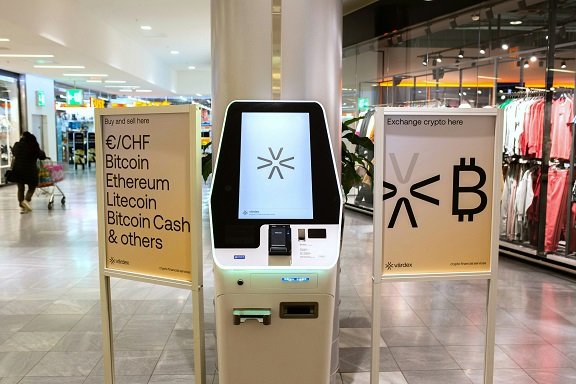
Cryptocurrency Basics represents a revolutionary form of digital currency that operates independently of traditional banking systems. Utilizing blockchain technology, cryptocurrencies function on decentralized networks, ensuring secure transactions and the transparent verification of digital assets. This decentralized nature is one of the defining characteristics of cryptocurrencies, distinguishing them from conventional currencies issued by governments (fiat currencies).
The history of cryptocurrency can be traced back to the inception of Bitcoin in 2009, created by an unknown individual or group using the pseudonym Satoshi Nakamoto. Bitcoin was introduced as an open-source protocol, allowing users to engage in peer-to-peer transactions without the need for an intermediary. This concept not only provided a new way to transact but also highlighted the potential for enabling financial autonomy among individuals.
The advent of Bitcoin paved the way for a myriad of alternative cryptocurrencies, commonly referred to as altcoins. Each altcoin typically aims to enhance or address certain shortcomings of Bitcoin, contributing to an ever-evolving market. The rise of these cryptocurrencies is indicative of a growing shift towards digital assets, as they offer innovative features, improved transaction speeds, and various use cases ranging from secure payments to decentralized applications.
As digital wallets gain popularity and investment interest in the cryptocurrency market continues to surge, understanding the fundamental principles of this emerging financial landscape becomes critically important for both investors and everyday users. This knowledge will empower individuals to navigate the complexities of digital currency and harness the opportunities that cryptocurrencies present.
The Benefits of Using Cryptocurrency
Cryptocurrency offers numerous advantages over traditional fiat currencies, making it an increasingly attractive option for consumers and businesses alike. One of the most significant benefits is the reduction in transaction fees. Traditional banking systems often impose high fees for international transfers, wire payments, and currency exchanges. In contrast, cryptocurrencies typically have lower transaction costs due to their decentralized nature, where intermediaries, such as banks, are eliminated from the process. This not only saves users money but also promotes more transactions, facilitating broader economic activity.
Speed is another compelling advantage of using cryptocurrency. Transactions can be processed much faster compared to traditional banking hours, which can sometimes take several days to clear. Digital currencies enable instantaneous transfers across borders at any time of the day. This feature is increasingly vital in today’s fast-paced environment, where time is often equated with money.
Enhanced privacy is a crucial benefit offered by cryptocurrencies. Unlike traditional banking where personal information is frequently required and stored, cryptocurrency transactions allow for greater anonymity. Users can conduct transactions without revealing their identities, fostering an environment that enhances personal security and reduces exposure to identity theft.
Additionally, cryptocurrencies present a unique solution for the unbanked population. Millions of individuals worldwide lack access to traditional banking services due to geographical, economic, or regulatory barriers. With just a smartphone and internet access, these individuals can transact in cryptocurrencies, thus gaining access to financial systems that were previously unavailable to them.
Lastly, cryptocurrencies empower users by giving them more control over their finances. By utilizing decentralized systems, individuals can manage their own funds without relying on a central authority. This shift promotes financial sovereignty, allowing users to bypass traditional constraints set by financial institutions.
Growing Adoption and Trends in Crypto Utilization
The increasing acceptance of cryptocurrencies has marked a significant shift in the financial landscape. Individuals, businesses, and institutions have begun to recognize the potential of digital currencies, leading to a surge in adoption across various sectors. One notable example is e-commerce, where several online retailers now accept cryptocurrencies as a payment method. A 2023 survey revealed that over 25% of e-commerce businesses reported implementing crypto payment options, with a 15% increase in overall transactions attributed to this integration.
In the gaming industry, cryptocurrencies are transforming how players engage with their favorite platforms. Blockchain technology facilitates in-game purchases using digital assets, enhancing user experience while ensuring secure transactions. Companies like Ubisoft and a growing number of indie developers are incorporating crypto to allow players greater ownership through non-fungible tokens (NFTs), revolutionizing the concept of digital assets in gaming.
Real estate has also seen a notable shift with the introduction of cryptocurrency transactions. High-profile transactions, such as the purchase of luxury properties in Miami and Dubai using Bitcoin, have attracted attention and spurred interest among investors. In many cases, the use of cryptocurrencies in real estate transactions reduces both time and costs, offering more efficient processes without the need for intermediaries.
The involvement of major financial institutions has further legitimized the use of digital currencies. Firms like JPMorgan and Goldman Sachs are investing in blockchain technology and offering crypto-related services to their clients, solidifying cryptocurrencies’ status as a viable financial instrument. Additionally, regulatory developments across various countries aim to create frameworks that facilitate Cryptocurrency Basics use while ensuring consumer protection, further enhancing the legitimacy of this evolving market.
Challenges and Future Outlook for Cryptocurrency
The cryptocurrency market, while burgeoning, faces several challenges that could influence its development and adoption in the coming years. One of the most pressing issues is regulatory hurdles. Governments around the world are still grappling with how to regulate cryptocurrencies effectively, balancing innovation with the need to protect consumers and prevent illicit activities. This regulatory uncertainty can lead to fluctuating market conditions, creating an environment of instability that may deter new investors.
Another crucial challenge is security concerns. High-profile hacking incidents and the vulnerability of cryptocurrency exchanges have raised alarm among potential users. Investors often fear losing their assets due to inadequate security measures in place, which undermines confidence in the market. Ensuring robust security protocols to protect digital assets is essential for increasing adoption rates and fostering trust within the cryptocurrency community.
Market volatility poses yet another challenge, as Cryptocurrency Basics are known for their unpredictable price swings. Such fluctuations can be disheartening for users and traders alike, leading many to question the viability of digital currencies as a stable investment vehicle. Overall, increased volatility can stifle mainstream acceptance, especially among institutions that typically prefer stable assets.
Looking forward, there are indications that the Cryptocurrency Basics landscape could evolve in remarkable ways. Emerging technologies, such as blockchain improvements and decentralized finance (DeFi), may enhance functionality and trust in digital currencies. As protocols become more secure, and regulatory environments mature, adoption rates may increase. Educational initiatives focused on explaining the benefits and functionalities of cryptocurrency could further demystify this digital asset class, integrating it more deeply into our financial ecosystem.