

Introduction to Stretching
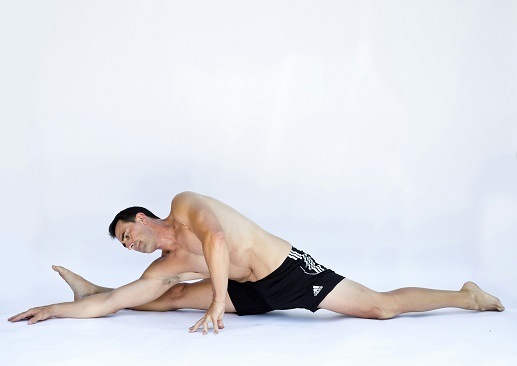
Stretching is a fundamental aspect of physical health that involves the deliberate lengthening of muscles to enhance flexibility and mobility. It is an essential practice for individuals of all fitness levels, including beginners. By incorporating stretching exercises into daily routines, novices can not only improve their overall health but also cultivate a lifelong habit that supports fitness goals. The importance of stretching cannot be overstated. One of the primary benefits is improved flexibility, which is crucial for optimizing physical performance and facilitating a full range of motion in daily activities. Enhanced flexibility enables individuals to move more freely and comfortably, reducing the likelihood of injuries during physical exertion. Beginners, in particular, may experience stiffness or tension in their muscles, making regular stretching particularly beneficial.
Moreover, engaging in stretching exercises promotes increased blood flow to muscles, allowing for better oxygenation and nutrient delivery. This increased circulation can aid in recovery post-exercise, minimize soreness, and heighten overall energetic levels throughout the day. The practice of stretching can also incorporate mindfulness, contributing to stress reduction and improved mental well-being.
For those just beginning their fitness journeys, integrating stretching into their regimen is a simple yet effective approach to maintaining health. Establishing a routine that includes various stretching exercises can help cultivate greater awareness of the body, making it a stepping stone to more advanced fitness practices. Therefore, as beginners embark on their journey to improved physical fitness, they should prioritize stretching exercises to reap the numerous benefits that come with this essential practice.
When and How to Stretch
Understanding the proper timing and methods for stretching is pivotal for anyone aiming to enhance their flexibility and overall physical performance. Stretching exercises can be beneficial when performed before and after workouts, as well as during breaks from prolonged sitting. Each of these scenarios presents unique opportunities to engage in stretching while minimizing the risk of injuries.
Prior to engaging in any workout, dynamic stretches are particularly effective. These exercises help to warm up the muscles and increase blood circulation, preparing the body for more strenuous activities. Simple movements such as arm circles, leg swings, and high knees can gently ease your body into the workout phase. This not only increases flexibility but also improves the range of motion.
Following a workout, static stretching is the recommended technique. This involves holding a stretch for a duration of fifteen to thirty seconds. Doing so allows the muscles to cool down while promoting recovery and minimizing soreness. Key areas to focus on include the hamstrings, quadriceps, and shoulder muscles, as these are commonly engaged during workouts.
Moreover, integrating stretching into your daily routine is essential, especially for individuals who spend extended periods sitting. Taking brief breaks every hour to perform light stretches can counteract stiffness and improve posture. Simple stretches like neck rolls, seated twists, and forward bends can effectively alleviate tension that accumulates during long periods of inactivity.
To ensure effective and safe stretching, follow these basic guidelines: never bounce or force a stretch, breathe deeply, and listen to your body’s limits. Always stretch until a gentle tension is felt, rather than pain. Through conscious practice of these methods and timing, incorporating stretching exercises can substantially enhance physical well-being.
Types of Stretching
Stretching is an essential component of any fitness routine, providing a range of physical benefits. There are several types of stretching techniques that cater to different needs and circumstances. The three primary types include static stretching, dynamic stretching, and proprioceptive neuromuscular facilitation (PNF) stretching.
Static stretching involves the gradual lengthening of a muscle to an elongated state and maintaining that position for a certain period, generally between 15 to 60 seconds. This type of stretching is ideal for improving flexibility and is best performed when the muscles are warm, such as after an exercise session. It aids in decreasing muscle tightness and increasing the range of motion in joints, making it particularly beneficial for individuals engaging in activities requiring extensive flexibility.
Dynamic stretching, on the other hand, is characterized by the movement of various body parts through their full range of motion. This method incorporates a series of controlled movements such as leg swings, arm circles, and torso twists. Dynamic stretching is predominantly used during warm-up routines, as it helps to increase blood flow to the muscles and boost overall performance. Moreover, it prepares the muscles for the physical demands of various activities by mimicking the motions that will be executed during the workout.
Lastly, proprioceptive neuromuscular facilitation (PNF) stretching combines both stretching and contracting of the targeted muscle groups. This method often involves a partner or trainer who assists by applying resistance through specific movements. PNF stretching is recognized for its ability to enhance muscular flexibility significantly and is frequently employed in rehabilitation settings. Each type of stretching offers unique benefits and is useful in specific scenarios, making them all valuable tools in a beginner’s stretching repertoire.
Basic Stretching Exercises for Beginners
Stretching is a fundamental aspect of physical fitness that supports flexibility and helps prevent injury. For beginners, starting with simple yet effective stretching exercises is essential. Here are a few basic stretching exercises tailored specifically for those new to fitness, including descriptions of their target muscle groups and step-by-step instructions for proper execution.
1. Neck Stretch
Target Muscle Group: Neck muscles
To perform this exercise, stand or sit upright. Slowly tilt your head to the right, bringing your ear towards your shoulder. Hold this position for 15-30 seconds, feeling the stretch along the left side of your neck. Repeat on the opposite side. Ensure you maintain a relaxed posture throughout the stretch.
2. Shoulder Stretch
Target Muscle Group: Shoulders and upper back
Begin by standing or sitting with your back straight. Bring one arm across your body and gently pull it closer with the opposite hand. Hold the stretch for 15-30 seconds before switching arms. Focus on keeping your shoulders down and away from your ears to maximize the benefit.
3. Standing Quadriceps Stretch
Target Muscle Group: Thigh muscles
Stand on one leg and pull your opposite foot towards your glutes. Hold your ankle with your hand, keeping your knees close together. Maintain a straight posture and hold this stretch for 15-30 seconds. Switch legs. This stretch helps improve flexibility in the thighs.
4. Hamstring Stretch
Target Muscle Group: Hamstrings
Sit on the ground with your legs extended straight in front of you. Slowly reach towards your toes while keeping your knees straight. Hold onto this position for 15-30 seconds. If you can’t reach your toes, you may grab the back of your thighs, which is perfectly acceptable for beginners.
5. Butterfly Stretch
Target Muscle Group: Inner thighs
Sit on the ground and bring the soles of your feet together, allowing your knees to drop outward. Gently push down on your knees with your elbows for an added stretch. Hold for 15-30 seconds. This exercise enhances flexibility in the hips and groin area.
When performing these basic stretching exercises, it is important to breathe deeply and focus on relaxing during each stretch. Remember, stretching should never be painful; if you feel sharp discomfort, ease out of the stretch. Consistent practice will contribute to your overall flexibility and may enhance your physical performance as you progress.
Creating a Balanced Stretching Routine
Establishing a well-structured stretching routine is essential for beginners aiming to enhance flexibility and reduce the risk of injury. A balanced stretching regimen should target various muscle groups and include different types of stretches. To create an effective routine, several key factors warrant consideration, including the duration of each stretch, the number of repetitions, and the balance between different muscle groups.
The duration of each stretch plays a vital role in achieving the desired benefits. It is generally recommended for beginners to hold stretches for 15 to 30 seconds. This interval allows the muscle fibers to elongate and relax, promoting flexibility. It is advisable to perform at least two to three repetitions of each stretch to encourage muscle adaptation and improve overall elasticity.
Moreover, ensuring a balance between different muscle groups is crucial to prevent imbalances that could lead to injuries. Incorporate stretches that target major muscle areas, including the back, shoulders, hips, and legs. For instance, after engaging the hamstrings with forward bends, follow up with stretches that focus on the quadriceps and calves. This approach promotes a harmonious balance, contributing to a well-rounded flexibility program.
Additionally, consider the impact of body alignment and breathing during stretching exercises. Maintaining proper posture enhances the effectiveness of each stretch while reducing the risk of strain. Coordinate deep, controlled breaths with each movement to facilitate relaxation and improve overall focus.
By integrating these elements—duration, repetitions, and balancing various muscle groups—you can tailor a stretching routine to fit your individual needs. This structured approach not only fosters flexibility development but also lays a strong foundation for physical activity, assisting in long-term health and wellness.
Common Mistakes to Avoid
Stretching is a beneficial practice for enhancing flexibility and preventing injuries; however, beginners often make several common mistakes that can diminish the effectiveness of their efforts. Recognizing and correcting these pitfalls is crucial for maximizing the benefits of stretching.
One prevalent error is overstretching. Beginners may attempt to push their bodies too hard, assuming that more strain equates to better results. This misconception can lead to injuries such as muscle tears or strains. Instead, individuals should focus on gentle stretching, ensuring that they only stretch to a point of mild discomfort. Gradually increasing the intensity of stretches over time is more effective than forcing the body beyond its limits.
Another common mistake among beginners is neglecting proper breathing techniques during stretching sessions. Many individuals hold their breath, which can result in tension and hinder the effectiveness of the stretch. It is essential to breathe deeply and consistently throughout each stretch, as proper oxygen flow aids muscle relaxation and helps to enhance flexibility. Exhaling during the stretch can also assist in deepening the stretch safely.
Moreover, skipping a warm-up is a frequent oversight that can impact performance. Engaging in light physical activity before stretching—such as walking or jogging—helps to increase blood flow to the muscles, preparing them for further elongation. A good warm-up reduces the risk of injury and allows for a more rewarding stretching experience.
By being mindful of these common mistakes, beginners can cultivate a safe and effective stretching routine. Focusing on gradual progression, proper breathing, and adequate warm-up will contribute to an enhanced and more beneficial stretching practice.
Listening to Your Body
When it comes to stretching exercises, particularly for beginners, one of the most vital skills to cultivate is the ability to listen to your body. Each person’s body reacts differently to various stretches, and understanding your own limits can help prevent injuries. Discomfort is a reasonable sensation when engaging in stretching, as your muscles are being challenged. However, pain is an entirely different matter. It is crucial to differentiate between the two to ensure a safe and effective practice.
Discomfort can manifest as a gentle pull or tension in the muscle that indicates you are reaching your flexibility limits. This mild sensation often subsides as you hold the stretch, and it signals that your muscles are elongating. In contrast, pain can feel sharp or acute and may lead to a sense of immediate distress. It typically indicates that you are pushing your body beyond its safe capacity, and, in such cases, it is essential to halt the exercise promptly.
A good rule of thumb is to check in with yourself throughout each stretch. Ask yourself how the stretch feels and whether any sensations might indicate that you are overdoing it. If at any point you experience pain, it is best to ease out of the stretch slowly and safely. Additionally, consider modifying the stretch or trying a less challenging variation to accommodate your current flexibility and comfort level.
Listening to your body essentially means being mindful of its signals and respecting its boundaries. This attentive approach paves the way for sustainable progress in flexibility and overall well-being, allowing you to gain the benefits of stretching while minimizing the risk of injury.
Setting Goals for Your Stretching Journey
As you embark on your journey to improved flexibility through stretching exercises, it is essential to establish clear and attainable goals. Setting specific targets not only provides direction but also serves as a source of motivation. It is advisable to start with short-term goals that are easily measurable and can be accomplished within a few weeks. For instance, aiming to touch your toes can be a practical initial objective for beginners. Tracking your progress as you advance can be highly encouraging.
In addition to short-term aspirations, consider developing long-term goals that align with your overall fitness objectives. These could include increasing your overall range of motion or achieving specific poses in yoga that require enhanced flexibility. However, it is crucial to ensure that these goals remain realistic to avoid frustration or discouragement. Flexibility improvement is a gradual process and may vary significantly from person to person.
To effectively track your progress, consider maintaining a stretching journal. Documenting your routine, the stretches you practice, and any improvements you notice can be incredibly beneficial. You could record your flexibility milestones, such as when you are finally able to achieve a particular stretch with ease. This practice not only helps you visualize your improvements but also reinforces a sense of accomplishment—both vital for staying motivated.
Additionally, celebrate small victories along the way. For instance, if you notice a slight increase in your flexibility or feel more comfortable in certain stretches, take a moment to recognize this progress. Engaging with online communities or groups focusing on flexibility can also provide support and encouragement. Connecting with others who share similar goals can help foster your commitment to your stretching journey.
Conclusion and Next Steps
Incorporating stretching exercises into your daily routine is essential for maintaining flexibility, improving posture, and promoting overall health. Stretching not only enhances physical performance but also aids in the prevention of injuries. By dedicating just a few minutes each day to stretching, beginners can experience significant benefits, such as increased blood flow to the muscles and enhanced mobility.
For those new to stretching, it is important to start with basic exercises that match your current fitness level. As you become more comfortable and confident, you can gradually explore more advanced stretches. Engaging in a regular stretching routine not only provides physical benefits but can also contribute to mental well-being, reducing stress and promoting relaxation.
To embark on your stretching journey, consider setting aside a specific time daily when you can focus on your routine without distractions. It might be helpful to follow guided videos or attend a class to learn proper techniques and maintain motivation. Additionally, you might want to keep a log of your progress to observe the improvements in flexibility and range of motion over time.
Aside from the exercises discussed in this blog post, many resources are available online and in print that can provide further insights into various stretching techniques. Websites dedicated to fitness and health often feature detailed instructional videos that can help enhance your knowledge. Always remember to listen to your body and perform stretches gently, avoiding any movements that cause pain or discomfort.
Ultimately, starting a regular stretching routine today can lead to a healthier, more flexible lifestyle. Prioritizing stretching is a simple yet effective way to invest in your physical well-being and can open the door to a range of additional fitness activities in the future.