

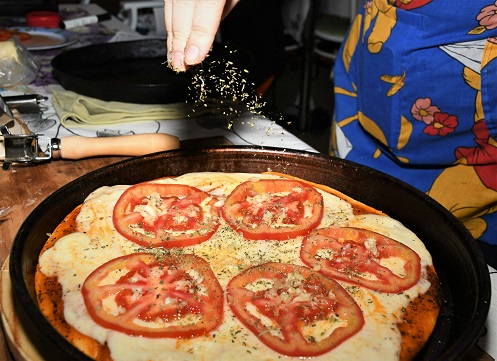
Introduction to Homemade Pizza
Homemade pizza has surged in popularity as a delightful alternative to ordering from restaurants. This trend is fueled by an increasing interest in cooking at home, as more individuals and families seek to enjoy culinary activities together. The process of making pizza from scratch provides an accessible and rewarding experience that goes beyond just a meal. One of the primary benefits of homemade pizza is the ability to choose fresh ingredients. This not only enhances the flavor but also allows for healthier options compared to many takeout pizzas, which often contain preservatives and artificial flavorings. When crafting pizza at home, one can opt for organic vegetables, high-quality cheeses, and wholesome dough—choices that align with personal health and dietary preferences.
The customization factor of homemade pizza is especially appealing. Individuals can tailor their creations to suit their specific tastes or dietary restrictions. From classic margherita to gourmet toppings like truffle oil or seasonal vegetables, the possibilities are virtually limitless. This flexibility empowers cooks to experiment with flavors and combinations, encouraging creativity in the kitchen and leaving room for culinary exploration.
Moreover, making pizza at home can be a fun, engaging activity for families and friends. It invites collaboration as everyone involved can contribute their ideas and preferences, creating a sense of teamwork. Whether it’s kneading the dough or arranging the toppings, the process becomes an interactive journey instead of a solitary task.
Ultimately, the experience of making homemade pizza is not only about nourishment; it signifies a connection to food, family, and creativity. As we explore the steps to achieving a pizzeria-quality pizza in our own kitchens, we will uncover the joy and satisfaction that come from this cherished culinary tradition.
Essential Equipment and Ingredients
To successfully make homemade pizza like a chef, having the right equipment and ingredients is crucial. First and foremost, a pizza stone is highly recommended. This tool allows for even heat distribution, resulting in a perfectly crisp crust. When heated, the stone mimics the effects of a traditional pizza oven, enhancing the baking process.
Another essential piece of equipment is a rolling pin, which helps in achieving a uniform thickness for the pizza dough. A pizza peel is also important; it facilitates the easy transfer of the pizza to and from the oven. A high-quality pizza cutter will ensure clean slices, making the eating experience more enjoyable.
Next, let’s explore the key ingredients necessary for making a delicious homemade pizza. The foundation of any great pizza begins with flour. A high-gluten flour is ideal, as it contains more protein, producing a chewy and satisfying crust. Additionally, yeast is crucial for the dough to rise; active dry yeast or instant yeast can be used for this purpose.
For the sauce, choosing quality tomatoes, whether crushed or whole, is vital. You may also consider adding Italian herbs and spices for added flavor. When it comes to cheese, mozzarella is the classic choice, but experimenting with other varieties such as provolone or fontina can create unique tasting experiences.
Finally, toppings are where creativity can shine. Fresh vegetables, meats, and even gourmet options like truffle oil can be chosen according to personal preference. It is essential to balance flavors and ensure that the toppings do not overwhelm the pizza. By gathering these essential tools and ingredients, one can embark on making homemade pizza that stands up to any chef’s creation.
Making the Pizza Dough
Creating a delicious pizza begins with the essential step of making the dough from scratch, which can dramatically elevate your homemade pizza experience. The key ingredients for the dough typically include flour, water, yeast, salt, and olive oil. Start by measuring out your ingredients accurately, as precise ratios are crucial for the best results.
Begin by activating the yeast. In a small bowl, combine warm water with a specialized quantity of yeast and a pinch of sugar, allowing it to sit for about 5 to 10 minutes until it becomes frothy. This process indicates that the yeast is active and ready to work with the other ingredients.
In a separate mixing bowl, combine flour and salt, then gradually add the activated yeast mixture along with a splash of olive oil. Mixing with a wooden spoon or your hands, continue until a cohesive dough forms. It is essential to ensure that all the dry ingredients are fully integrated, as this will directly affect the texture of the finished crust.
The next step involves kneading the dough. This process typically lasts between 8 to 10 minutes and is vital for developing gluten structure, which will provide elasticity and chewiness to the pizza crust. Dust a clean surface with flour and turn the dough out to begin kneading. The dough should become smooth and elastic once fully kneaded.
After kneading, place the dough in a lightly oiled bowl and cover it with a damp cloth or plastic wrap. Allow it to rise in a warm environment for approximately 1 to 2 hours, or until it has doubled in size. This rising period is essential not only for flavor development but also for achieving the desired lightness in the crust. Once the dough has risen adequately, it is ready to be shaped and topped for your homemade pizza.
Preparing the Pizza Sauce
The foundation of a delicious homemade pizza lies in its sauce. A well-prepared pizza sauce not only enhances the overall flavor of the dish but also complements the toppings remarkably. The base of your pizza sauce can be made with fresh tomatoes, providing a rich and vibrant flavor that store-bought sauces often lack.
To prepare a classic tomato-based pizza sauce, begin with approximately two pounds of ripe, fresh tomatoes. Start by blanching the tomatoes in boiling water for about 30 seconds, then transfer them to ice water to cool. This process allows you to easily remove the skins. After peeling, chop the tomatoes and set them aside.
In a saucepan, heat a tablespoon of olive oil over medium heat. Once warm, add finely chopped garlic (about two cloves) and sauté until fragrant. Be cautious not to burn the garlic, as this can impart a bitter taste to the sauce. Incorporate the chopped tomatoes along with a teaspoon of sugar to balance the acidity. Season with salt, black pepper, and fresh or dried herbs like oregano and basil to enrich the flavor profile. Allow the mixture to simmer for about 20 minutes, stirring occasionally, until it thickens.
For those who prefer variations, consider making a marinara sauce by adding onions and a splash of red wine for depth. Alternatively, a white sauce can be prepared using cream, garlic, and a blend of cheeses, providing a rich and creamy option for your pizza. The key is finding a balance of flavors—savory, sweet, and spicy—to ensure a sauce that stands out. Taste your sauce and adjust the seasonings as necessary, as personal preferences can significantly influence the overall taste. Remember, the right sauce enhances your pizza, making it more enjoyable for everyone.
Selecting and Preparing Toppings
When creating a homemade pizza, selecting and preparing the right toppings is paramount to achieving a flavor profile that appeals to your palate. While classic toppings like pepperoni, mushrooms, and mozzarella cheese remain popular choices, experimenting with a variety of ingredients can elevate your pizza to a gourmet level.
Starting with traditional options, pepperoni stands out as a time-honored favorite. Its spicy and savory profile complements the richness of cheese and the sweetness of tomato sauce. Mushrooms, particularly when sautéed, add an earthiness and moisture that balances richer flavors. Other classical toppings include bell peppers, onions, and olives, each offering unique textures and tastes.
For those looking to create distinctive gourmet pizzas, consider options such as prosciutto, arugula, or goat cheese. Prosciutto provides a savory, salty element, while arugula adds a fresh, peppery bite. Goat cheese can introduce a creaminess that contrasts beautifully with richer toppings. Other innovative choices might include roasted vegetables, such as zucchini and artichokes, or fresh herbs like basil and parsley that can introduce layers of flavor.
Preparation methods are equally essential to ensure toppings enhance the pizza experience. For instance, pre-cooking certain toppings can help release their flavors. Sautéing mushrooms and onions can concentrate their natural sugars and prevent a soggy pizza. Additionally, using seasonal vegetables can provide freshness and vibrant flavors, making each pizza unique. Cutting ingredients into uniform sizes ensures even cooking and a better overall texture.
Ultimately, the key to perfecting your homemade pizza lies not only in the choice of toppings but also in their preparation. Embrace both classic and unique options to create a well-balanced pie that showcases flavor and creativity.
Assembling the Pizza
Assembling a pizza is an art that balances technique and creativity. Start by preparing your pizza dough; once it has risen adequately, dust your work surface with flour to prevent sticking. To form the pizza base, gently stretch the dough using your hands. Start from the center and work your way outwards, allowing gravity to aid the process. This method helps to achieve an even thickness, which is crucial for proper cooking. Aim for a slightly thicker edge, or crust, as it will provide a satisfying contrast to the softer center.
Next, it is vital to spread the sauce evenly across the pizza base. Use a ladle or a spoon to dollop sauce onto the center, then employ the back of the ladle to spread it in circular motions towards the edges. The goal is a uniform layer without overwhelming the dough, as too much sauce can lead to a soggy crust. A thin layer is generally preferred for a crisp texture and to allow the flavors of the toppings to shine through.
Once the sauce is applied, it is time to add cheese. Grate or slice your preferred cheese and distribute it evenly across the surface. Ideally, you want to ensure that cheese is present in every bite but avoid piling it too high to prevent the cheese from cooking unevenly. After the cheese, proceed with topping selection. Choose a mix of ingredients that complement each other, keeping in mind color, texture, and flavors. Fresh vegetables, cured meats, or aromatic herbs can elevate the visual appeal and taste of your pizza.
Finally, remember, presentation plays a significant role in creating an enticing pizza. Arrange the toppings in a pattern or cluster them in groups to enhance the aesthetic outcome. A well-assembled pizza not only looks inviting but also ensures each bite is consistently flavored. With patience and practice, anyone can master the assembly of a pizza that mimics the quality of those served in gourmet pizzerias.
Baking Techniques for Perfect Pizza
Baking a pizza that mimics a chef’s creation requires attention to detail and knowledge of effective techniques. One of the most crucial steps is preheating your oven. For optimal results, set your oven to the highest temperature, typically between 475°F (245°C) and 500°F (260°C). This high heat allows the crust to become crispy while keeping the toppings moist and flavorful.
Using a pizza stone is another essential element in achieving a chef-like pizza. A pizza stone retains heat effectively, creating an evenly cooked crust. Preheat your pizza stone in the oven for at least 30 minutes before placing your pizza on it. This step ensures that the bottom crust gets that desired crunchy texture, akin to what you would find in a pizzeria.
When it comes to baking times and temperatures, keep in mind that these factors can vary depending on the thickness of your crust and the number of toppings. A standard thin-crust pizza usually requires about 10-12 minutes of baking when the oven is preheated to the appropriate temperature. For thicker crusts, you may need closer to 15 minutes. To monitor the pizza’s progress, keep an eye on the cheese; it should bubble and turn golden brown without burning.
Furthermore, rotating the pizza halfway through baking can promote even cooking, ensuring that all parts of the crust are golden and crisp. Be aware of the ingredients you use; moisture-rich toppings can impede the crispiness of the crust, so consider pre-cooked or less watery options. Mastering these baking techniques will lead you to create a pizza that meets the standards of professional chefs, delivering both flavor and aesthetics that impress your guests.
Creative Presentation and Serving Suggestions
Once your homemade pizza is baked to perfection, the art of presentation becomes paramount. Slicing your pizza effectively can enhance its visual appeal and make it more enjoyable to eat. Using a sharp pizza cutter or a large chef’s knife ensures clean cuts, which contribute to a more polished presentation. For a stylish look, consider slicing the pizza into wedges or squares, depending on the style of pizza you’ve created. Each piece should be evenly cut, allowing all toppings to remain intact, which not only looks appetizing but also makes it easier for guests to serve themselves.
Garnishes can elevate your pizza’s allure significantly. Fresh basil leaves, arugula, or a drizzle of high-quality extra virgin olive oil can add color and a burst of flavor. For an added touch, consider sprinkling freshly grated Parmesan or a handful of chili flakes on top just before serving. Additionally, providing a side of balsamic glaze for dipping can enhance the taste experience, offering a delightful contrast to the cheese and tomato base.
When it comes to serving suggestions, consider including complementary sides and beverages that harmonize with your pizza. A light mixed greens salad dressed in a vinaigrette pairs beautifully with pizza, balancing the richness of the cheese and toppings. Roasted vegetables or antipasti platters can also serve as delightful accompaniments. As for beverages, a chilled white wine, such as Pinot Grigio, or a light lager can refresh the palate alongside your homemade creation. Crafting a thoughtful presentation not only appeals to the senses but also enhances the overall dining experience, making your homemade pizza truly memorable.
Conclusion and Final Thoughts
Homemade pizza offers a delightful opportunity to unleash one’s creativity in the kitchen. Throughout the blog post, we have traversed various essential aspects of crafting a pizza from scratch. From selecting the right dough and mastering toppings combinations to exploring innovative cooking methods, each step plays a crucial role in ensuring a delicious outcome.
As you embark on your pizza-making journey, remember to experiment with different ingredients and flavors to create a unique dish that reflects your personal tastes. The versatility of homemade pizza allows for endless possibilities, be it classic Margherita, a gourmet white pizza, or a spicy barbecue variant. Preparing your pizza empowers you to control every element, from the crust’s thickness to the topping quantities, ensuring satisfaction in every bite.
The joy of making pizza extends beyond the preparation; it culminates in sharing these culinary creations with family and friends. Gather around the table and enjoy the fruits of your labor, fostering connections through the universal love of good food. You will find that homemade pizza not only provides nourishment but also serves as an avenue for bonding and celebration.
In conclusion, the art of pizza-making allows one to blend traditions with personal flair, resulting in a dish that is both comforting and satisfying. We encourage you to venture into your kitchen, gather your loved ones, and start making your own delightful pizzas. Discover the rewarding experience of bringing a slice of Italy into your home!