

Stress reduction is a natural response of the body to challenges or demands placed upon it. It can manifest as a psychological experience or a physical reaction, triggering a variety of symptoms that affect both mental and physical health. Stress is generally categorized into three types: acute, chronic, and episodic. Acute stress is the most common form and arises from immediate or short-term demands, such as tight deadlines at work or a sudden conflict in a personal relationship. Chronic stress, on the other hand, persists over an extended period and can stem from ongoing pressures like financial issues or long-term relationship difficulties. Episodic stress occurs when someone frequently experiences acute stressors; this might be seen in individuals with chaotic lifestyles.
The physiological effects of stress can be profound. When confronted by a stressor, the body initiates the stress response through the release of hormones such as adrenaline and cortisol. This response can lead to increased heart rate, elevated blood pressure, and rapid breathing, preparing the body for the ‘fight or flight’ situation. Unfortunately, prolonged exposure to stress hormones can contribute to various health issues, including cardiovascular disease, weakened immune system responses, and gastrointestinal problems.
Psychologically, stress may result in conditions such as anxiety, depression, and mood swings, impacting overall well-being. Common stressors in daily life include work-related pressures, relationship conflicts, and financial burdens. These can create a cycle that intensifies the sensation of stress, making it essential to identify personal triggers. Recognizing these stressors is the first step toward managing them effectively, leading to a healthier, more balanced lifestyle.
Practical Strategies for Reducing Stress
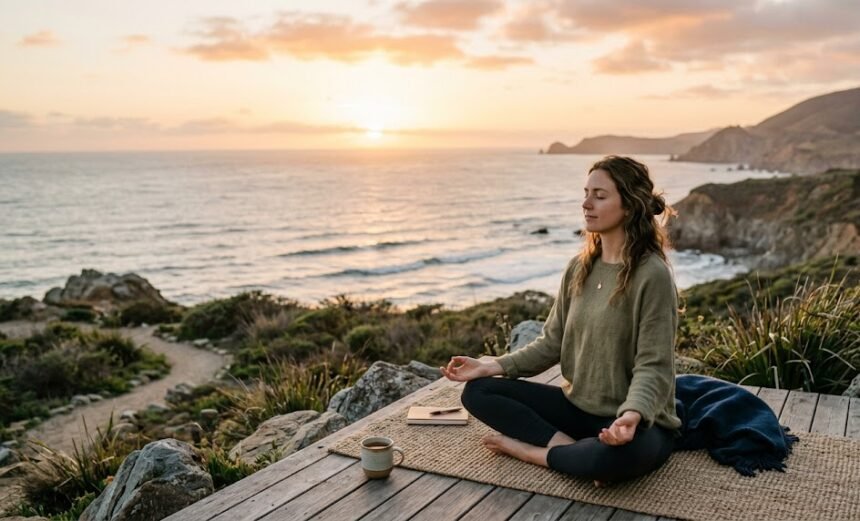
In today’s fast-paced world, the need for effective stress reduction techniques is paramount for maintaining a balanced lifestyle. One of the most beneficial strategies is mindfulness meditation. This practice cultivates an awareness of the present moment, assisting individuals in recognizing their thoughts and feelings without judgment. Incorporating just a few minutes of mindfulness meditation daily can significantly reduce anxiety and enhance overall well-being. To start, find a quiet space, sit comfortably, and focus on your breath, allowing other thoughts to come and go without dwelling on them.
Alongside mindfulness, breathing exercises offer a simple yet profound method to alleviate stress. Techniques such as deep-breathing or the 4-7-8 technique enable individuals to manage their physiological response to stress. The 4-7-8 technique entails inhaling through the nose for four seconds, holding the breath for seven seconds, and then exhaling through the mouth for eight seconds. This pattern helps lower heart rates and contributes to a sense of calmness.
Time management skills can also play a crucial role in reducing stress levels. Prioritizing tasks and setting realistic goals can alleviate the pressure from overwhelming workloads. Utilizing planners or digital tools for task management allows individuals to visualize their commitments and allocate time effectively, ultimately providing greater control over their daily activities. Setting boundaries, such as saying no to extra responsibilities when already overwhelmed, helps preserve energy and time for self-care.
Lastly, incorporating physical exercise into one’s routine is a highly effective way to manage stress. Engaging in physical activity releases endorphins, the body’s natural stress relievers. Whether through simple walking, yoga, or vigorous workouts, finding an enjoyable form of exercise can make a substantial difference in reducing stress.
Creating a Stress-Free Environment
One significant aspect of managing stress levels effectively is through the optimization of one’s immediate surroundings. An organized and decluttered environment plays a crucial role in fostering a sense of calm. Clutter can overwhelm the mind, making it difficult to focus and relax. To cultivate a stress-free lifestyle, consider regularly evaluating your living and working spaces. Removing unnecessary items not only creates a more appealing visual but also significantly enhances mental clarity, which can lead to a more tranquil state of mind.
Moreover, lighting is another vital component of a stress-free environment. Natural light helps regulate the body’s internal clock and contributes to improved mood and productivity. Strategies to optimize lighting include arranging your furniture to maximize daylight exposure and supplementing with soft, warm artificial lights during darker hours. In addition, air quality should not be overlooked; incorporating air-purifying plants or using air purifiers can significantly elevate the ambiance of your home, promoting relaxation and overall wellbeing.
Creating a peaceful atmosphere involves not only physical adjustments but also incorporating zones dedicated to relaxation and mindfulness. Establish areas to unwind, such as a reading nook or meditation corner, which invite calm and comfort. Personalizing these spaces with soothing colors, textures, and sensory elements—like essential oils or calming sounds from nature—further enhances their appeal, encouraging consistent use. Finally, integrating elements of nature into your environment, such as houseplants or natural materials, can bridge the gap between indoor life and the tranquility of the outdoors, ultimately transforming your living space into a haven of peace.
Building Resilience and Maintaining a Positive Outlook
Enhancing one’s ability to handle stress is predominantly rooted in the cultivation of emotional resilience and the development of a positive mindset. Resilience refers to the capacity to recover quickly from difficulties, illustrating one’s ability to adapt and thrive amidst challenges. One of the most effective ways to foster resilience is through the practice of gratitude. Acknowledging and appreciating the positives in life can significantly shift perspective and mitigate feelings of stress. Regularly reflecting on things to be grateful for can reinforce a sense of well-being and emotional stability.
Moreover, nurturing social connections plays a vital role in building resilience. Relationships with friends, family, and community provide support, understanding, and a sense of belonging. They create a network from which one can draw strength during challenging times. Engaging with others not only prevents feelings of isolation but also promotes emotional expression and processing, turning potentially overwhelming feelings into manageable experiences.
Developing healthy coping mechanisms is equally crucial. Techniques such as mindfulness, regular physical activity, and adequate rest can promote emotional well-being. Mindfulness encourages living in the moment and can help defuse stress as it arises. Physical activity releases endorphins, which enhance mood and reduce tension. Furthermore, maintaining adequate sleep is vital in managing stress levels effectively. Each of these strategies contributes to a holistic approach in achieving a stress-free lifestyle.
Finally, it is essential to recognize when professional support is necessary. Consulting with mental health professionals can provide valuable tools and insights that tailor to individual needs. It is important to understand that the journey toward a stress-free lifestyle is continuous, involving proactive steps to maintain emotional health and resilience.