

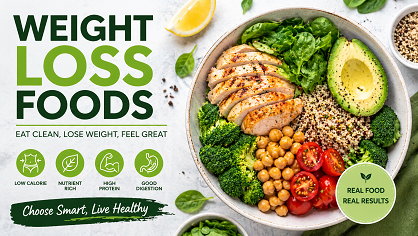
Weight loss foods are specific types of foods that promote weight loss by supporting a healthy eating pattern while helping individuals create a caloric deficit. Unlike regular foods, which can be calorie-dense and nutrient-poor, weight loss foods typically boast low-calorie density, high fiber content, and nutrient density. This means that these foods provide fewer calories per volume, allowing for larger portion sizes while still minimizing overall calorie intake.
One of the fundamental principles of effective weight loss is the creation of a caloric deficit, which occurs when individuals consume fewer calories than their bodies expend. Weight loss foods are essential in this process, as they help manage hunger by promoting satiety. Foods that are high in fiber, for instance, slow down digestion and keep you feeling fuller for longer. Some examples of high-fiber weight loss foods include fruits, vegetables, legumes, and whole grains. By incorporating these foods into daily meals, individuals can better manage their hunger, which is a key factor in successful weight management.
Additionally, nutrient-dense foods are rich in essential vitamins and minerals while remaining lower in calories. Such foods not only aid in weight loss, but they also contribute to overall health. Foods such as leafy greens, berries, nuts, and seeds are examples that provide necessary nutrients without excessive caloric intake. It is important to prioritize these nutrient-dense weight loss foods over processed alternatives. A well-balanced diet that emphasizes these foods can not only support weight loss but can also provide sustained energy and improved wellness.
Top Weight Loss Foods to Include in Your Daily Diet
When considering effective weight loss, it is essential to incorporate a variety of nutrient-dense foods into your daily diet. These foods not only promote weight loss but also enhance overall health. Below is a comprehensive list categorized by food groups, highlighting their respective benefits and ways to integrate them into your meals.
Fruits: Fruits like berries, apples, and oranges are high in fiber and antioxidants. Berries, in particular, are low in calories and can be enjoyed as snacks, in smoothies, or with yogurt. Apples and oranges make for convenient, nutritious snacks and can be included in salads for natural sweetness.
Vegetables: Leafy greens such as spinach, kale, and broccoli are excellent for weight loss due to their low caloric content and high fiber levels. These vegetables can be easily incorporated into salads, stir-fries, and smoothies. Cruciferous vegetables like cauliflower and Brussels sprouts help boost metabolic processes and keep you feeling full.
Whole Grains: Whole grains like quinoa, brown rice, and oats provide complex carbohydrates that are necessary for sustained energy. Oats are particularly beneficial for breakfast and can be made with water or plant-based milk, topped with fruits and nuts. Quinoa serves as a versatile base for salads and bowls.
Lean Proteins: Incorporating lean proteins, such as chicken breast, turkey, beans, and tofu, is crucial for weight management as they help build muscle and support metabolism. Chicken and turkey can be grilled or roasted and added to wraps or salads. For plant-based diets, lentils and chickpeas are rich in protein and fiber, making them a great addition to soups or curries.
Healthy Fats: Healthy fats from avocados, nuts, and seeds are vital for hormonal balance and keeping you satiated. Avocados can be added to salads, sandwiches, or smoothies for creaminess, while nuts and seeds are perfect for snacks or mixed into yogurts and oatmeal.
By incorporating these foods into your daily meals, you can create a delicious, well-rounded diet that supports weight loss and overall health. Adjusting meal preparations to accommodate preferences such as vegan or gluten-free options can further enhance dietary inclusivity.
Meal Planning with Weight Loss Foods
Effective meal planning plays a pivotal role in achieving weight loss goals. Incorporating weight loss foods into a structured plan not only simplifies daily nutrition but also promotes healthy eating habits. The first step in this process is to establish a weekly meal calendar that highlights meals and snacks centered around nutritious ingredients that support weight loss.
Start by selecting a variety of lean proteins, whole grains, fruits, and vegetables. For example, chicken breast, quinoa, leafy greens, and berries are excellent choices. Creating a shopping list based on your meal plan can ensure that you have the necessary weight loss foods at hand, reducing the temptation to opt for unhealthy alternatives.
When structuring meals, aim for a balanced approach. Each meal should ideally contain a source of protein, healthy fats, and fiber-rich carbohydrates. For instance, a meal could include grilled salmon, steamed broccoli, and a side of brown rice. Additionally, aim to maintain portion control—consider using smaller plates to help control serving sizes and prevent overeating.
Incorporating mindful eating practices is equally essential. This involves slowing down during meals, savoring each bite, and recognizing hunger cues versus emotional eating triggers. To add variety, consider rotating different weight loss foods throughout the week. Experimenting with diverse recipes not only maintains interest but also ensures a broad spectrum of nutrients, which is vital for overall health.
Snacks can also be part of your meal planning strategy. Healthy snacks, such as mixed nuts or Greek yogurt with fruit, can help curb hunger between meals while keeping your metabolism active. By planning meals and snacks with these strategies, you can effectively incorporate weight loss foods into your daily routine, making healthy eating both enjoyable and sustainable.
Keeping Motivated on Your Weight Loss Journey
Embarking on a weight loss journey is often as much about mental resilience as it is about dietary choices. To sustain motivation, it is essential to adopt a mindset that supports consistency and progress. A practical approach for fostering this resilience is by tracking progress meticulously. This may include keeping a food diary or using apps designed for calorie counting and exercise tracking, which can empower individuals by visually displaying their achievements.
Another vital component in maintaining motivation involves setting realistic and attainable goals. Instead of framing the objective as a distant end-point, breaking it down into smaller, more achievable targets can provide a greater sense of accomplishment along the way. For instance, targeting the loss of a few pounds every couple of weeks can be more encouraging than aiming for a larger, more daunting number. This method not only enhances motivation but also creates opportunities to celebrate small victories, reinforcing positive behaviors that contribute to long-term weight loss success.
Despite the best intentions, various challenges may arise, such as cravings or social eating situations. It is essential not to perceive these as failures but rather as natural parts of the journey. When cravings occur, consider having healthy alternatives readily available. For example, snacking on fruits or vegetables can help mitigate the desire for unhealthy options. In social settings, strategizing beforehand can be beneficial; choosing a healthy option from the menu or having a small snack before attending gatherings can curb excessive eating.
Ultimately, the combination of these strategies—tracking progress, setting attainable goals, celebrating achievements, and proactively managing cravings—can create a solid foundation for sustaining motivation throughout one’s weight loss journey. Keeping a positive mindset and being prepared will ease the path to achieving weight loss aspirations.