

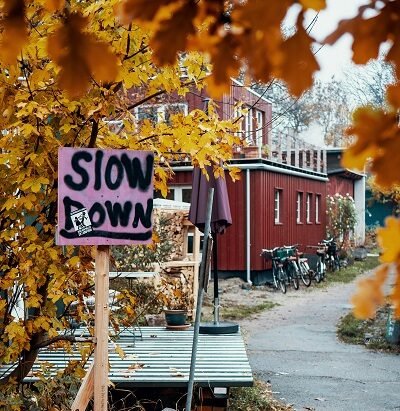
Slow living is an intentional lifestyle choice that embraces the philosophy of living more mindfully and harmoniously with the world around us. Its roots can be traced back to the slow food movement, which emerged in the late 1980s in Italy as a counterbalance to fast food culture. Advocates of slow food emphasized the value of enjoying meals made from local and seasonal ingredients, prepared with care, and shared with loved ones. This grassroots initiative sparked a broader conversation about the implications of speed and consumption on our lives. As the principles of slow food gained traction, the concept of slow living began to evolve, expanding beyond culinary practices to encompass various aspects of daily life. Slow living encourages individuals to prioritize quality over quantity, encouraging them to take the time to appreciate small moments and practices that often go overlooked. This approach promotes mindfulness, fostering a habit of being present and fully engaged in life’s experiences. Central to the ethos of slow living are sustainability and simplicity. The practice emphasizes a deep respect for the environment and a conscious effort to minimize one’s ecological footprint. By focusing on sustainable practices, such as supporting local economies, reducing waste, and choosing eco-friendly products, individuals contribute positively to the planet’s health. Furthermore, slow living advocates for a lifestyle characterized by fewer possessions that hold more value, inspiring people to make thoughtful choices regarding their belongings.
In our increasingly fast-paced world, where instant gratification and convenience often reign supreme, slow living provides an antidote to the incessant rush. It encourages individuals to cultivate mindfulness in their daily routines, thereby enhancing overall wellbeing and satisfaction. As more people become aware of societal pressures, they are drawn to the ideals of slow living, seeking a more fulfilling and balanced way of life.
The Benefits of Slowing Down
Adopting a slow living approach offers a myriad of benefits, particularly concerning mental health and overall well-being. One of the primary advantages is the reduction of stress and anxiety levels. By allowing oneself the luxury of time, individuals can shift their focus from the relentless pace of modern life to a more measured and intentional way of living. This shift can lead to a profound improvement in cognitive function, as slowness allows for better concentration and mental clarity. Studies have indicated that individuals who practice mindfulness and slow living techniques report enhanced creativity, often experiencing moments of inspiration that escape those under constant pressure.
Moreover, slow living promotes a balanced lifestyle, which is essential not only for mental health but also for physical health. Engaging in activities at a leisurely pace enables individuals to cultivate deeper relationships. When one slows down, there is a greater opportunity to connect with family and friends, fostering communication and empathy. These enriched relationships play a vital role in overall psychological well-being, contributing positively to one’s emotional resilience.
In addition to the mental and relational benefits, adopting a slow living philosophy can lead to healthier lifestyle choices. A more organic and mindful approach to nutrition is often embraced, as individuals tend to prioritize whole foods over processed alternatives. This conscious choice not only impacts physical health but also aligns with ethical living practices. Anecdotal evidence supports the notion that individuals who embrace slow living often report a heightened appreciation for their surroundings and a greater sense of fulfillment.
Thus, the embrace of a slower pace of life can significantly enhance both mental and physical health, leading to a holistic approach to wellness that many find transformative.
Practical Ways to Embrace Slow Living
In the fast-paced world that characterizes modern society, incorporating slow living into daily routines can seem challenging; however, there are several practical strategies to facilitate this transition. One effective approach is to intentionally slow down your daily habits. Begin by setting aside specific times for meals without the distraction of phones or other technologies. This mindful act not only enhances the dining experience but also encourages appreciation for the food. Allocating time for slow, deliberate activities such as reading, painting, or simply enjoying a cup of tea can significantly enrich one’s routine.
Another method to cultivate a slow living mindset is through the practice of mindfulness and gratitude. Dedicate a few minutes each day to reflect on the positive aspects of your life. This could be achieved through journaling or meditative practices that encourage self-reflection and presence in the moment. Mindfulness allows individuals to savor experiences fully rather than rushing through them, reinforcing the connection between enjoyment and the pace of life.
Engaging with nature is also fundamental in promoting a slow lifestyle. Spend time outdoors, whether walking in a local park, hiking a scenic trail, or simply tending to a garden. Nature not only reaffirms the beauty of simplicity but also fosters a sense of peace and tranquility. Additionally, consider decluttering both your physical space and mental load. Throw away items that no longer serve you and streamline your commitments. A clutter-free environment promotes clarity and serenity, essential components of slow living.
Finally, finding joy in simple pleasures is crucial. Allocate time in your schedule for activities that bring you genuine happiness, such as cooking a favorite dish, experimenting with hobbies, or enjoying quality moments with family and friends. By re-evaluating what truly matters and savoring those experiences, individuals can create a fulfilling slow living journey that enhances their overall well-being.
Cultural Shifts and the Future of Slow Living
The concept of slow living has seeped into various cultural discussions, prompting a reevaluation of our day-to-day lives. Increased awareness of the detrimental effects of consumerism has led many individuals to adopt minimalism. This lifestyle, which emphasizes intentional living, advocates for reducing possessions and finding fulfillment in experiences rather than material goods. As individuals embrace this philosophy, the ripple effect can be seen across the wider society, where collective values are increasingly aligned with sustainability and mindfulness.
Furthermore, a noticeable backlash against the relentless pursuit of consumerism is emerging. Many people are critically reexamining their habits, leading to a rise in ethical consumption and a demand for transparency from brands. Consumers are now more likely to choose products that reflect their values, aligning with the principles of slow living, such as sustainability, quality over quantity, and ethical production. This shift is encouraging businesses to adapt their practices to meet a more conscientious market, ultimately contributing to broader cultural transformation.
Digital detoxing is another significant aspect of the slow living movement. As technology becomes increasingly pervasive in our lives, many are advocating for time away from screens to reconnect with themselves and their surroundings. This movement encourages mindfulness and promotes mental wellbeing, highlighting the need to break free from the fast-paced, hyper-connected lifestyle that has become commonplace. The emphasis on less screen time could foster stronger interpersonal relationships, contributing to a sense of community and belonging.
As we look towards future generations, the principles of slow living will likely play a crucial role in shaping cultural values. Societal shifts towards sustainability and conscious living may lead to a more equitable world, where environmental stewardship becomes a priority. In conclusion, the influence of slow living signals a profound cultural evolution that champions wellness, simplicity, and ecological consciousness, guiding the future towards a more thoughtful and balanced existence.