

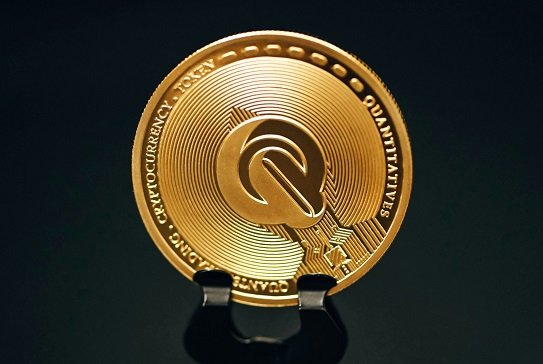
Low-cap coins, often referred to as small-cap cryptocurrencies, are digital assets with a market capitalization typically under $1 billion. This classification is in contrast to large-cap cryptocurrencies, which generally have a market capitalization exceeding $10 billion. Low-cap coins represent a unique segment of the cryptocurrency market, appealing particularly to investors seeking high growth potential. While they can offer significant opportunities for returns, their inherent market characteristics also come with increased risks.
One of the defining features of low-cap coins is their relatively low liquidity. Due to their smaller market size, trading volumes are often limited compared to their larger counterparts. This can lead to more volatile price movements, as even minor changes in demand can result in substantial fluctuations in value. Investors should note that while volatility can present opportunities for significant gains, it can equally lead to risks of steep losses.
The innovative nature of many low-cap cryptocurrencies often sets them apart from established players in the market. Many emerging coins introduce novel technologies or unique use cases that aim to solve specific problems within the blockchain ecosystem. This capacity for innovation can attract attention from investors looking for the next breakout project. However, the strategies of these smaller coins can vary widely, and potential investors must conduct thorough research to understand the viability of the underlying technology and the team behind the project.
Additionally, low-cap cryptocurrencies are typically less regulated than their larger counterparts, adding another layer of risk and opportunity. As the cryptocurrency market evolves, some of these low-cap coins could lead to substantial profits; however, investors need to remain aware of the potential drawbacks, such as scams or disproportionate market manipulation. Overall, while low-cap coins can attract a diverse range of investors, a careful approach considering both risks and rewards is essential to navigating this dynamic investment landscape.
Current Market Trends
The cryptocurrency market is currently experiencing a phase of significant transformation, driven by various factors that are influencing investor sentiment, particularly towards low-cap coins. Recent trends reflect a mixed market sentiment where cautious optimism contends with ongoing volatility. As institutional investors continue to enter the space, there is a growing belief that low-cap cryptocurrencies may offer unique opportunities for high returns, igniting interest among retail investors.
Technological advancements are also playing a crucial role in shaping the market dynamics. Innovations such as decentralized finance (DeFi) and non-fungible tokens (NFTs) have broadened the potential use cases for low-cap coins, attracting developers and investors alike. These advancements not only enhance the functionality of these coins but also foster community engagement, which is essential for long-term sustainability in the crypto ecosystem.
Moreover, regulatory developments are creating an environment of increased scrutiny and clarity. As governments around the world establish frameworks for cryptocurrency operations, low-cap coins are positioning themselves to comply with these regulations, thereby gaining investor confidence. However, the potential for regulatory restrictions poses a risk to the market, particularly for lower market capitalization assets that may be more susceptible to abrupt market changes.
Macroeconomic factors must also be taken into consideration. Global economic instability and inflation concerns are prompting investors to diversify their portfolios, which is leading to an increased interest in cryptocurrency as an alternative asset class. Analysts highlight that these macroeconomic conditions, coupled with the evolving narrative around low-cap coins, could result in heightened interest and unprecedented growth in this segment.
In summary, the interplay of market sentiment, technological progress, regulatory clarity, and macroeconomic influences is creating a compelling landscape for low-cap coins, making them an attractive area for investigation by prospective investors.
Spotlight on the Featured Low-Cap Coin
The cryptocurrency landscape is witnessing a surge in interest towards low-cap coins, and one particular coin has captured significant attention in recent months. This low-cap coin, known for its innovative technology and robust community, represents a thrilling investment opportunity.
At its core, this coin aims to address a specific gap in the market, focusing on improving decentralized finance (DeFi) accessibility. Its underlying technology is built on a highly efficient blockchain platform, ensuring scalability and fast transaction speeds. Developers have meticulously designed it to facilitate seamless interactions while lowering transaction fees, which is a critical factor in enhancing user adoption.
The team behind this low-cap coin boasts a wealth of experience in both the cryptocurrency and traditional finance sectors. Composed of former executives from leading tech companies, the team possesses a comprehensive understanding of market dynamics and regulatory landscapes, reinforcing their capability to navigate potential challenges. Moreover, the strong community backing has fostered a sense of trust and enthusiasm, essential components for any emerging coin.
Recent performance metrics reveal a remarkable upward trend, as the coin has gained substantial value over the past few months. This surge can be attributed in part to several strategic partnerships established with notable firms within the blockchain ecosystem. These alliances not only enhance the coin’s credibility but also pave the way for increased utilization across various platforms.
Looking ahead, the upcoming developments and enhancements promise to further amplify interest in this low-cap coin. Projects that focus on expanding its use cases and integrating additional functionalities are already underway, indicating a commitment to growth and innovation. With a diverse array of supporting factors, this low-cap coin is steadily distinguishing itself from the multitude of options in the crypto space.
Investment Strategies and Considerations
Investing in low-cap coins can be an exciting yet risky endeavor. As these assets are not as widely recognized as their larger counterparts, they can present both significant opportunities and potential pitfalls. To navigate this landscape effectively, investors should begin with thorough research. Understanding the project behind a low-cap coin, its team, technology, and market potential is crucial. Resources such as whitepapers, project websites, and community forums can provide valuable insights.
Another vital consideration is one’s risk tolerance. Low-cap coins can experience extreme volatility, making it essential for investors to assess how much risk they are willing to endure. This includes being prepared for significant price fluctuations and potential loss of funds. Setting clear investment goals and timelines can help mitigate emotional reactions during market swings.
Diversification remains a key strategy when investing in cryptocurrencies. By spreading investments across various low-cap coins, investors can reduce the impact of one project’s underperformance on their overall portfolio. Moreover, some investors may favor a long-term holding strategy, believing the potential for growth outweighs short-term price volatility. Conversely, others may opt for short-term trading approaches, aiming to capitalize on market movements. Each strategy requires a different mindset and approach, and understanding the nuances of each can aid in decision-making.
Staying informed about market trends and news is also essential when investing in low-cap currencies. Following relevant updates and leveraging analytical tools can help investors make informed decisions. Furthermore, connecting with experienced investors and engaging in discussions can enhance one’s understanding of the market dynamics. By implementing these strategies and considerations, investors can approach low-cap coins with a balanced mindset and improved potential for success.