

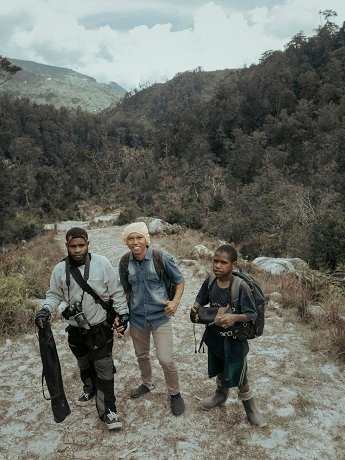
Backpacking Tips is a thrilling outdoor adventure that combines hiking, camping, and exploration into a single experience. It appeals to many adventure lovers due to the profound connection it fosters with nature. When individuals embark on a backpacking journey, they often find themselves immersed in stunning landscapes, such as mountains, forests, and coastlines, which can provide a much-needed escape from the bustle of daily life. The serenity found in these natural settings is one of the main reasons why people are drawn to backpacking.
Moreover, backpacking promotes physical fitness. The act of hiking with a loaded backpack challenges the body, improving strength, endurance, and cardiovascular health. As backpackers navigate through increasingly rugged terrains, they engage various muscle groups and enhance their overall stamina. This physical aspect appeals to those eager for an active lifestyle and those seeking to stay fit while enjoying nature.
The adventure also grants the opportunity for exploration and self-discovery. Each route presents unique challenges and experiences, providing individuals with the chance to test their limits and learn new skills. Backpackers can encounter diverse ecosystems, wildlife, and cultural landmarks along the way. Each step on the trail uncovers stories of the land and its history, enriching the journey immensely.
In essence, backpacking is much more than just hiking; it is an adventure filled with exploration, personal growth, and connection with the natural world. This blog post will further delve into various backpacking routes that continue to captivate the hearts of adventure lovers. Each route offers not only breathtaking views but also memorable experiences that resonate long after the journey has ended.
The Best Backpacking Routes in North America
North America boasts some of the most breathtaking landscapes and diverse ecosystems, making it a treasure trove for backpacking enthusiasts. Among the distinguished routes, the John Muir Trail in California stands out. Stretching approximately 211 miles through the Sierra Nevada mountains, this trail offers hikers stunning views of granite peaks and alpine lakes. The level of difficulty is generally regarded as strenuous, so adequate preparation is essential. The best time to hike is typically from late June to early September, when the trails are free of snow.
Another iconic route is the Appalachian Trail, which spans over 2,190 miles from Georgia to Maine. This well-known trail varies in difficulty, providing opportunities for both novice and experienced backpackers. Hikers can enjoy a myriad of landscapes, from dense forests to rugged mountains. As the trail is situated along the eastern United States, spring (April to June) and fall (September to November) are optimal for embarking on a hike—offering mild weather and vibrant scenery.
The Pacific Crest Trail deserves special mention as well, covering about 2,650 miles from Mexico to Canada. This trail presents a challenging journey through diverse environments, including deserts, mountains, and forests. The difficulty level ranges from moderate to strenuous. The best hiking time varies per section; however, most backpackers tackle the southern sections from April to June, while mid-summer is ideal for the northern parts.
While embarking on these adventurous backpacking tips routes, it is vital to prioritize safety. Essential preparation includes familiarizing oneself with the trail conditions and packing necessary gear, including a reliable map, adequate food, and hydration sources. Always inform someone of your planned route and expected return to ensure a safer hiking experience.
Top European Backpacking Trails
Europe is renowned for its breathtaking landscapes and rich history, making it a prime destination for backpackers seeking adventure. Among the myriad of trails available, the Tour du Mont Blanc, the West Highland Way, and the Camino de Santiago stand out as exceptional choices, each offering unique characteristics and experiences.
The Tour du Mont Blanc is one of the most famous hiking routes in Europe, traversing through France, Italy, and Switzerland. This circular trail covers approximately 170 kilometers and provides stunning views of the Mont Blanc massif. Each stage of the trek reveals diverse alpine landscapes, quaint villages, and a plethora of flora and fauna. Backpackers can expect to find well-marked paths, ample accommodations, and a variety of local culinary delights enriching the journey. While no special permits are required for most of the route, it’s advisable to visit during the summer months when the weather is more favorable.
Another remarkable path is the West Highland Way in Scotland, stretching 154 kilometers from Milngavie, just outside Glasgow, to Fort William. This trail showcases Scotland’s rugged beauty, winding through lochs, glens, and the iconic Highland landscapes. Noteworthy stops along the way include the picturesque village of Rowardennan and the famous Loch Lomond Lake. The West Highland Way is well-maintained, and hikers can find various accommodation options ranging from campsites to charming bed-and-breakfasts. The best time to embark on this trail is from spring to early autumn.
Finally, the Camino de Santiago, also known as the Way of St. James, offers a spiritual and cultural experience as well as physical challenge. The traditional route begins in France and ends in Santiago de Compostela, Spain, covering about 780 kilometers. Pilgrims and backpackers alike are drawn to its historical significance and the camaraderie among travelers. Various itineraries exist, allowing for flexibility in distance and pace. Accommodation is widely available, and securing a pilgrim credential can enhance the experience. The best time to walk the Camino is during the spring or fall when the weather is mild and the crowds are fewer.
These European backpacking trails highlight the diverse landscapes and cultures found across the continent, making them ideal for adventure lovers seeking both physical challenges and personal growth.
Conclusion and Tips for Aspiring Backpackers
Backpacking Tips remains a cherished pursuit for adventure lovers seeking a harmonious blend of physical challenge and natural beauty. The freedom to explore diverse terrains, the thrill of forging new paths, and the opportunity to connect with the great outdoors are fundamental hallmarks that define this enriching experience. As you contemplate embarking on your own backpacking journey, it’s important to prepare thoughtfully in order to maximize your enjoyment and safety.
One crucial tip for new backpackers is to always pack light. Weight is a significant factor that can affect your endurance and overall experience on the trail. Invest in quality, lightweight gear that won’t compromise on safety or comfort. A well-structured backpack, durable footwear, and appropriate clothing for varying weather conditions can enhance your trip and contribute to a more enjoyable hike.
Choosing the right gear is paramount for a successful backpacking adventure. Consider your specific needs and preferences; for example, a sleeping bag suitable for the climate, a tent that fits comfortably without excessive weight, and a reliable cooking setup can greatly improve your comfort levels. Opt for multi-functional outdoor equipment whenever possible, as this not only saves space but also minimizes weight.
Safety is another essential aspect to consider as you navigate the wilderness. Familiarize yourself with the area you’re exploring, understand the trail difficulty and associated risks, and carry a first-aid kit as well as emergency communication devices. Always let someone know your itinerary and expected return, as this could prove vital in case of unforeseen circumstances.
Lastly, don’t forget to engage with the backpacking community. Explore local trails, join meetups, and connect with like-minded individuals who share your passion for adventure. By doing so, you not only gain invaluable insights and tips but also foster friendships that enrich your outdoor experiences.