

Introduction
Packaging plays an important role in protecting products during manufacturing, storage and transportation. However, not every item can be secured effectively using standard cartons or ready-made cushioning materials. Products with unusual dimensions, delicate components or specific handling requirements often need a more tailored solution.
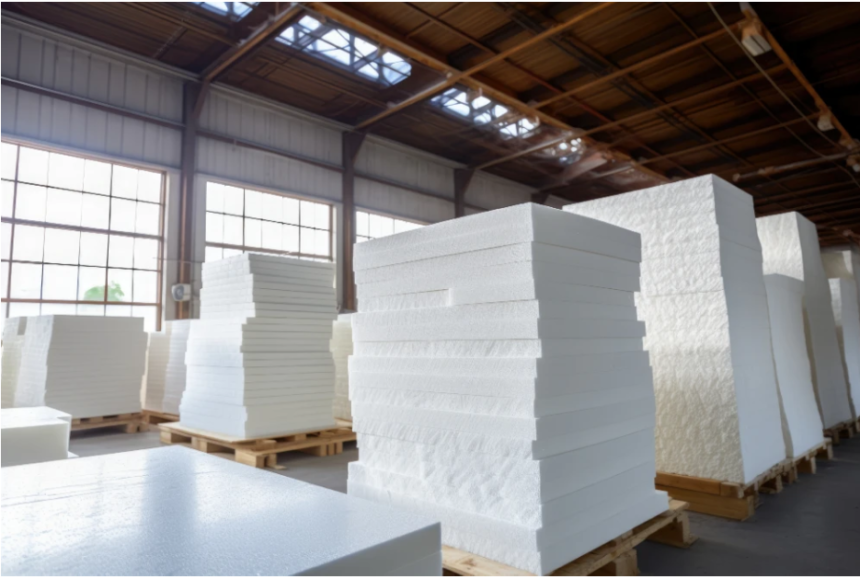
Expanded polystyrene (EPS) blocks offer a practical option for businesses that require lightweight, rigid and adaptable protective packaging. Their structure makes them useful for supporting products, filling spaces and creating protective shapes designed around individual requirements.
Understanding Expanded Polystyrene Blocks
Expanded polystyrene is a lightweight cellular material made up of numerous small air-filled beads. This structure gives it useful cushioning and insulation characteristics while keeping its overall weight relatively low.
EPS can be manufactured and shaped into different forms, making it suitable for a variety of packaging applications. Businesses can use it to create protective sections, support structures and custom inserts for products that need additional stability.
Unlike flexible packaging materials, polystyrene blocks provide a more rigid structure. This can be particularly useful when products need to remain positioned securely inside a larger container.
How EPS Blocks Help Protect Products
During transportation, products may experience movement, vibration and accidental impacts. Without suitable internal support, items can shift inside their cartons and come into contact with other surfaces.
Expanded polystyrene blocks can be designed to fit around specific products, helping reduce unwanted movement and providing cushioning in vulnerable areas.
Their applications include:
- Supporting delicate equipment inside shipping containers.
- Creating shaped packaging for manufactured components.
- Separating products to reduce contact during transit.
- Providing protective support for larger or irregularly shaped items.
- Helping maintain product positioning inside cartons.
The suitability of a particular design depends on the product’s weight, shape and handling requirements. Packaging should be developed around the actual item rather than relying on a standard block size for every application.
Custom Shapes for Specialist Packaging
One of the main advantages of EPS is its adaptability. Blocks can be cut or formed into different shapes to accommodate specific products.
For example, a manufacturer shipping equipment with protruding components may require recessed sections to prevent pressure on sensitive areas. Another business may need shaped supports to hold a product securely within a cardboard box.
Custom-designed packaging can also help make packing operations more consistent. When the same product is dispatched regularly, a suitable internal support system allows employees to position it correctly without creating a new arrangement for every shipment.
Businesses should consider the product’s dimensions, weight distribution and vulnerable areas when developing a packaging design. This helps ensure that the finished solution provides appropriate support throughout handling and delivery.
Lightweight Protection for Commercial Applications
Weight is an important consideration in many distribution operations. Heavy packaging can increase handling demands and contribute to transportation costs.
EPS offers a relatively lightweight alternative to some denser protective materials. This makes it useful for applications where businesses need a balance between structural support and manageable packaging weight.
It can be used in several industries, including manufacturing, electronics, engineering and specialist equipment distribution.
For manufacturers, protective inserts can help separate components and reduce the likelihood of products being damaged through contact. For businesses shipping larger items, shaped blocks can provide additional support at selected points.
The correct design should always account for the product’s characteristics and the conditions expected during transportation.
The Role of EPS in Insulated Packaging
Expanded polystyrene also has insulating properties because its cellular structure contains a high proportion of trapped air.
This characteristic makes EPS useful in certain temperature-sensitive packaging applications. It can help slow heat transfer when incorporated into an appropriately designed packaging system.
However, insulation performance depends on factors such as material thickness, container construction, external conditions and the duration of transportation.
Businesses handling temperature-sensitive products should assess the complete packaging system rather than relying on the material alone.
Combining Polystyrene Blocks with Other Packaging Materials
EPS blocks do not need to be used independently. They can form part of a wider protective packaging arrangement.
For example, a business might use a cardboard carton as the outer container and shaped polystyrene sections to support the product internally. Additional protective materials may be included where surface protection or separation is required.
This combination allows each material to perform a specific function.
The outer carton provides the main container, while the internal blocks help position and support the contents. Depending on the application, additional cushioning can help protect delicate surfaces or smaller components.
A well-planned arrangement can also make unpacking easier because products are held in clearly defined positions.
Choosing the Right Expanded Polystyrene Packaging Supplier
Businesses looking for Expanded polystyrene packaging should consider whether a supplier can provide materials suited to their particular products.
Important considerations include block dimensions, required shapes, product weight, cushioning requirements and the intended transport environment.
It is also helpful to discuss whether standard blocks are sufficient or whether a custom-designed solution would be more appropriate.
Advanced Protective Packaging supplies expanded polystyrene blocks and packaging solutions for different commercial requirements. Its products can support applications where lightweight construction, insulation and shaped protection are important considerations.
Businesses can discuss their product dimensions and packaging needs with the supplier to identify a suitable option.
Conclusion
Expanded polystyrene blocks provide a useful combination of lightweight construction, rigidity and adaptability. Their ability to be shaped around individual products makes them suitable for applications where standard packaging does not provide the required support.
From manufacturing components to specialist equipment, EPS can form an important part of a carefully designed protective packaging system.
By considering product dimensions, handling conditions and the required level of support, businesses can choose Expanded polystyrene blocks that help make storage and transportation more secure and organised.