

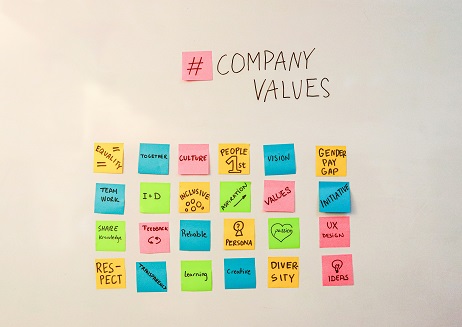
Understanding Company Culture
Company culture is a comprehensive concept that encompasses the values, beliefs, behaviors, and practices that shape the environment within an organization. It acts as the underlying social fabric that influences how employees interact with one another, how they approach their work, and how they perceive their roles within the company. Key components of company culture include organizational values, work environment, employee experience, and communication styles. The foundation of company culture often lies in the organization’s core values. These values reflect what the company stands for and serve as guiding principles for decision-making and behavior. For example, a company that emphasizes innovation may encourage risk-taking and creativity among its employees, while one that prioritizes teamwork may focus on collaborative projects and open communication.
Beliefs within a company also contribute significantly to its culture. These beliefs shape the attitudes and expectations held by employees and can influence their motivation and engagement levels. In a positive culture, employees are likely to believe in the organization’s mission and feel connected to its goals, thereby fostering a sense of belonging.
Leadership plays a crucial role in establishing and nurturing company culture. Leaders set the tone through their actions, communication, and decision-making. Effective leaders embody the organization’s values and create an environment where those values are promoted and celebrated. They are responsible for modeling behaviors that align with the desired culture, ensuring that every team member understands and participates in the organization’s ethos.
In conclusion, understanding company culture is essential for fostering a productive work environment. By defining and embracing the core components of culture, businesses can enhance employee satisfaction, improve team cohesion, and ultimately drive organizational success.
The Impact of Company Culture on Employee Engagement
Company culture refers to the shared values, beliefs, and behaviors that shape how an organization operates. A strong company culture acts as a foundation for employee engagement and can significantly improve motivation within the workplace. When employees feel aligned with their organization’s culture, their engagement levels tend to rise, which in turn boosts overall productivity and job satisfaction.
A positive work environment fosters a sense of belonging, enabling employees to feel valued and respected. This feeling of inclusion directly correlates with an increase in participation in company initiatives, influencing both individual and team performance. Organizations that prioritize a strong cultural framework often observe heightened levels of enthusiasm among employees, driving them to contribute more effectively to their teams and remain committed to the organization’s goals. Employees who resonate with their company’s culture are generally more satisfied with their roles, which leads to improved output.
Moreover, a robust company culture plays a crucial role in enhancing employee retention rates. When individuals are engaged and satisfied with their work environment, they are less likely to seek employment elsewhere. This reduced turnover is a significant advantage for organizations, as it lowers recruitment costs and allows for more consistent project execution. Increasingly, companies are recognizing the importance of addressing cultural elements to foster loyalty among employees and reduce turnover rates.
In conclusion, the correlation between a company’s culture and employee engagement is evident. By cultivating a positive workspace, organizations can not only boost employee satisfaction but also create an environment that encourages loyalty, productivity, and reduced turnover. Understanding and actively managing company culture should be a priority for modern businesses aiming to thrive in competitive landscapes.
Company Culture and Organizational Performance
A robust company culture can serve as a catalyst for enhancing organizational performance across various dimensions. Companies that prioritize a positive culture often see significant improvements in financial performance, employee engagement, and overall operational effectiveness. Key cultural attributes, such as teamwork, innovation, and inclusivity, play a vital role in fostering this environment and can directly impact productivity and profitability.
For instance, a culture of teamwork promotes collaboration and synergy among employees, leading to improved problem-solving and efficiency in processes. When employees are encouraged to work together, they can leverage each other’s strengths, which can result in higher-quality outputs and faster project completion times. This collaborative spirit not only enhances operational effectiveness but also drives financial success for the organization.
Moreover, a commitment to innovation within an organization’s culture encourages employees to think creatively and pursue new ideas. Companies like Google and Apple exemplify this attribute by providing platforms for their workforce to brainstorm and develop innovative solutions. These moments of creativity often lead to groundbreaking products and services that capture market share and elevate the company’s financial standing.
The importance of inclusivity as a cultural attribute cannot be overstated. An inclusive environment allows diverse perspectives to thrive, which can lead to more comprehensive decision-making and a better understanding of customer needs. Research has shown that organizations with diverse workforces are more adept at meeting the demands of a global marketplace, thereby improving their competitive advantage and enhancing overall performance.
To illustrate these points, case studies of successful companies, such as Salesforce and Zappos, affirm that organizations with a strong, positive culture experience lower employee turnover rates, higher levels of customer satisfaction, and ultimately, greater financial success. These examples highlight how fundamentally interwoven company culture is with organizational performance, underscoring its critical role in the modern business landscape.
Diversity and Inclusion in Company Culture
Diversity and inclusion are essential components of a robust company culture, significantly influencing the overall performance and creativity of a modern business. Embracing diversity means recognizing and valuing the varied backgrounds, perspectives, and experiences that each member of an organization brings. This multifaceted approach not only enriches the work environment but also fosters innovation and enhances problem-solving capabilities. Companies with diverse teams are better positioned to understand and meet the needs of a varied customer base, ultimately leading to increased competitiveness in the market.
A strong culture of inclusion ensures that all employees feel valued and respected, regardless of their ethnicity, gender, age, or any other characteristic. When individuals feel a sense of belonging, they are more likely to contribute their unique ideas and collaborate effectively with others. This not only drives a positive workplace atmosphere but also paves the way for innovative solutions that stem from diverse thought processes.
To cultivate a diverse and inclusive environment, organizations can implement several strategies. First, actively recruiting from a broad talent pool helps to bring in members from different backgrounds. This approach should extend to developing partnerships with organizations that represent underrepresented groups. Moreover, promoting awareness through diversity training programs can educate employees on the importance of inclusion and equip them with the skills to engage empathetically.
Furthermore, establishing employee resource groups can provide a platform for individuals to share experiences and support each other, fostering community within the workplace. Regularly assessing company policies and practices is also crucial for identifying areas that may inadvertently hinder inclusivity.
In conclusion, when a company prioritizes diversity and inclusion within its culture, it not only enhances employee satisfaction but also drives innovation, ultimately contributing to the long-term success of the organization.
Adapting Company Culture to Change
In today’s fast-paced business environment, company culture plays a critical role in how organizations respond to change. Rapid advancements in technology, shifting consumer expectations, and global economic uncertainties necessitate a culture that embraces adaptability. A flexible company culture not only fosters innovation but also empowers employees to engage proactively with upcoming challenges and opportunities.
Adaptability within company culture is particularly crucial during periods of digital transformation. As organizations implement new technologies, they often encounter resistance from employees who may be hesitant to embrace these changes. A supportive and adaptable culture can mitigate this resistance by fostering an atmosphere of collaboration and open communication. When employees feel valued and included in the transition process, they are more likely to contribute constructively, facilitating a smoother implementation of new tools and practices.
Moreover, adaptability in company culture enables organizations to pivot quickly in response to market trends. Businesses that cultivate this agility can take advantage of new opportunities, whether that entails shifting their strategies, exploring new markets, or rerouting operations to boost productivity. Such flexibility not only aids in survival during challenging times but also positions the organization as a leader in its industry.
Furthermore, creating a culture that values adaptability involves consistent employee development and training. Organizations that prioritize learning and growth are better equipped to adapt to the ever-evolving landscape of modern business. By investing in their workforce, they not only enhance job satisfaction but also develop a skilled team capable of navigating change effectively.
Ultimately, a strong emphasis on adaptability within a company’s culture is essential for long-term success. As businesses face continual transformations in the marketplace, those with a flexible and supportive culture will be better positioned to thrive in the face of uncertainty.
Measuring Company Culture
Assessing company culture is essential for organizations striving for sustainable growth and employee satisfaction. Various methods can be utilized to evaluate the health of a company’s culture, enabling leaders to identify strengths and pinpoint areas that need enhancement. One prevalent method is conducting employee surveys. These surveys can reveal insights into employees’ perceptions of the work environment, management style, and overall job satisfaction. By using anonymous feedback mechanisms, companies can encourage honesty and gather genuine opinions, which provide a clearer picture of cultural health.
Interviews also serve as a valuable tool for assessing company culture. Through direct conversations with employees at various organizational levels, leaders can gain qualitative insights that may not emerge in written surveys. Structured and semi-structured interviews allow for deeper exploration of attitudes, beliefs, and practices that shape the company’s culture. This face-to-face interaction fosters an atmosphere of openness, enabling employees to express their thoughts candidly.
Additionally, culture audits present a systematic approach to evaluating company culture. These audits involve a thorough review of existing practices, policies, and employee behaviors, offering a holistic view of the organization’s cultural dynamics. By assessing alignment between stated values and actual workplace behavior, companies can identify discrepancies and address any gaps that may exist.
Key metrics play a crucial role in measuring company culture. These metrics may include employee turnover rates, engagement scores, and productivity levels. Tools such as pulse surveys and engagement platforms can streamline the collection and analysis of this data. Regular monitoring of these metrics helps organizations to maintain a pulse on cultural health, thereby enabling timely interventions and improvements. By embracing these various methods of assessment, businesses can foster a positive workplace culture that aligns with their strategic goals and enhances overall performance.
Strategies for Building a Positive Company Culture
Creating a positive company culture is essential for fostering employee engagement, satisfaction, and productivity. Organizations can employ various strategies to cultivate an environment where employees feel valued and motivated. One of the foundational strategies is promoting open communication within the workplace. Encouraging employees to share their ideas, feedback, and concerns not only enhances transparency but also allows the leadership to address issues promptly. Implementing regular feedback sessions, suggestion boxes, or town hall meetings helps to create a culture of trust and openness.
Another effective strategy involves recognizing and rewarding employee contributions. Acknowledging hard work and achievements can significantly boost morale and motivation. Organizations can introduce recognition programs such as ‘Employee of the Month,’ awards, or simple gestures like shout-outs in meetings to highlight outstanding performances. These initiatives help employees feel appreciated and foster loyalty to the organization.
Moreover, encouraging work-life balance plays a significant role in promoting a positive company culture. Organizations should implement flexible work schedules, remote work options, and promote taking time off to recharge. Providing resources and support for mental health and well-being can also contribute to reducing burnout and increasing job satisfaction. By creating a supportive environment that values employees’ personal lives alongside their professional contributions, businesses can enhance employee retention and overall productivity.
Ultimately, fostering a positive company culture requires ongoing commitment and adaptability. By employing strategies such as open communication, recognition of achievements, and promoting work-life balance, organizations can create an inclusive and supportive environment that contributes to their long-term success.
The Challenges of Maintaining Company Culture
The preservation of company culture represents a formidable challenge for many organizations, especially during periods of significant change such as growth, downsizing, or restructuring. These situations can create an environment where the foundational values and practices that define the company culture may become diluted or compromised.
During growth phases, the influx of new employees can lead to a more diverse workforce, bringing differing beliefs, practices, and expectations. If not managed carefully, this can result in a fragmented culture where the original ethos of the organization is overshadowed by diverse, potentially conflicting cultural norms. To counteract this, organizations can implement robust onboarding processes that reinforce core values, ensuring new hires align with the existing company culture.
Conversely, in times of downsizing, employee morale may take a hit, leading to a decline in engagement and productivity. The atmosphere can become fraught with uncertainty, ultimately driving a wedge between employees and management. In such instances, open communication becomes paramount. Regular updates and transparent discussions regarding the reasons behind downsizing can help maintain trust and unity, thereby preserving the cultural fabric of the organization.
Furthermore, during restructuring—a process often rife with confusion—maintaining cultural integrity can prove to be particularly arduous. Employees may feel insecure about their roles and the future direction of the company, leading to a potential erosion of established cultural norms. Proactive measures can be vital in these scenarios, including fostering an inclusive environment where all employees feel valued and have a voice in the transition process. Encouraging feedback and demonstrating a commitment to existing cultural values during times of change can aid significantly in sustaining company culture.
Ultimately, while challenges in maintaining company culture are prevalent, strategic approaches can mitigate risks and preserve the core values that define an organization’s identity.
Conclusion: Cultivating a Future-Ready Company Culture
In today’s rapidly evolving business landscape, the significance of a robust company culture cannot be overstated. A strong culture is not merely a set of values or norms; it is the underlying framework that guides employee behavior, drives engagement, and enhances organizational performance. Throughout this discussion, we have explored how an adaptive company culture can lead to improved retention rates, greater innovation, and ultimately, long-term success.
Organizations that prioritize the cultivation of a positive culture are more likely to attract top talent and foster loyalty among their workforce. By creating an environment that encourages openness, collaboration, and diversity, businesses can harness the strengths of their employees, which can lead to transformative outcomes. This focus on cultural alignment can also act as a cohesive force, uniting individuals behind shared goals and values, thus enhancing overall productivity.
Furthermore, as we navigate the complexities of a changing workforce and economic challenges, a resilient and flexible culture will be crucial. Companies that embrace adaptability are better equipped to respond swiftly to unforeseen changes, whether it be through technological advancements or shifts in consumer preferences. Therefore, it becomes evident that investing in company culture is not just an optional strategy; it is essential for sustained growth and success.
In conclusion, as businesses strategize for the future, it is imperative that they recognize company culture as a core element of their operational framework. By prioritizing and nurturing a strong, adaptive company culture, organizations can ensure that they remain competitive and relevant in an ever-changing environment. Ultimately, the long-term health of any business is inextricably linked to the strength of its culture, making it a critical focus for today’s leaders.