

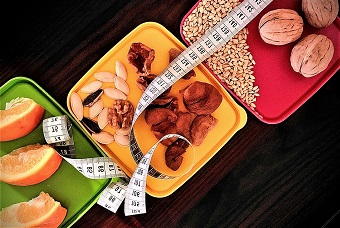
Healthy snacking plays a crucial role in supporting weight loss efforts. For many individuals, the concept of snacking is often associated with unhealthy choices that can sabotage diet plans and hinder progress. However, it is essential to understand that not all snacks are created equal. When chosen wisely, snacks can complement a balanced diet and help in managing hunger, reducing overeating at meals, and providing essential nutrients. To embark on a successful weight loss journey, it’s vital to dispel the misconception that snacks should be avoided entirely. Instead, the focus should be placed on selecting nutrient-dense options that align with personal health goals. Healthy snacks can prevent hunger pangs, thereby helping to maintain energy levels throughout the day and promoting better food choices during main meals. Incorporating healthy snacks allows individuals to have control over their dietary intake while satisfying cravings.
Moreover, the right snacks can provide a plethora of health benefits. Foods such as fruits, vegetables, nuts, and whole grains come packed with vitamins, minerals, and fiber, all of which contribute to overall well-being. These nutrient-rich snacks can boost metabolism, aid digestion, and support the body’s functions during weight loss. Thus, rather than viewing snacks as potential obstacles, they should be considered as valuable tools that can assist in achieving weight loss goals.
In summary, healthy snacking can be an effective strategy for those on a weight loss journey. By making informed choices and selecting wholesome options, individuals can incorporate snacks into their diet without compromising their progress. Ultimately, the key is to embrace the idea that healthy snacks can enhance both physical and mental health, leading to a more sustainable weight loss experience.
The Benefits of Healthy Snacks
Incorporating healthy snacks into your diet can yield numerous advantages, particularly for those aiming to lose weight. One of the primary benefits is that healthy snacks help maintain consistent energy levels throughout the day. Unlike sugary or high-fat snacks that may lead to energy crashes, nutritious options such as fruits, nuts, or yogurt provide a steady release of energy. This steady energy can enhance your ability to perform daily activities and workouts, ultimately supporting weight loss efforts.
Another significant advantage of consuming healthy snacks is their ability to prevent overeating during main meals. By opting for small, nutrient-dense snacks between meals, individuals can stave off hunger pangs and minimize the likelihood of consuming large quantities of food during lunch or dinner. Research indicates that individuals who incorporate healthy snacks into their daily regimen tend to make smarter choices regarding portion sizes, as the satiating properties of these snacks promote a feeling of fullness.
Moreover, healthy snacks can play a role in boosting metabolism. Certain foods, particularly those high in protein or fiber, may require more energy to digest, thus increasing metabolic rates temporarily. For instance, snacks such as almonds or edamame not only provide essential nutrients but also stimulate the body’s calorie-burning processes. This can be particularly beneficial for those focused on weight management or loss.
In conclusion, integrating healthy snacks into your daily diet serves multiple purposes: they sustain energy levels, mitigate the risk of overeating, and can enhance metabolic efficiency. Paying attention to snack choices and their nutritional value can significantly contribute to successful weight loss while promoting overall health and well-being.
Criteria for Choosing Healthy Snacks
When selecting healthy snacks, it is essential to consider several key criteria that can significantly influence weight management and overall well-being. The first aspect to evaluate is the nutritional value of the snack. Ideally, a healthy snack should provide essential vitamins and minerals while being low in empty calories. This means opting for snacks that include whole foods such as fruits, vegetables, nuts, or whole grains, which offer not only nourishment but also satiety.
Next, portion size is crucial. Even healthy snacks can lead to weight gain if consumed in excess. It is advisable to check serving sizes on packaging and use measuring tools to ensure one does not go overboard. Practicing mindful eating by serving snacks in smaller bowls or containers can help prevent overeating.
Another important element is achieving a balance between macronutrients. A well-rounded snack typically includes a mix of carbohydrates, proteins, and fats, which can help manage hunger levels and energy throughout the day. For instance, pairing a piece of fruit (carbohydrate) with a handful of nuts (healthy fat and protein) can create a more satisfying and nutritious option.
In terms of low sugar content, it is crucial to be vigilant. Snacks high in added sugars can lead to energy crashes and increase cravings for unhealthy foods. Hence, reading food labels effectively is paramount. By focusing on the ingredient list and nutritional information, individuals can avoid sneaky sugars often hidden in foods marketed as “healthy.” Key factors to look for include the number of grams of sugars per serving and how many ingredients are included in the product.
By paying attention to these criteria—nutritional value, portion size, macronutrient balance, low sugar content, and reading food labels—individuals can make more informed and healthier snack choices that align with their weight loss goals.
Top 10 Healthy Snack Ideas for Weight Loss
When striving for weight loss, choosing the right snacks can play a pivotal role in both managing hunger and providing essential nutrients. Here are ten healthy snack ideas that can assist in reaching your weight loss goals.
1. Fresh Vegetables & Hummus: Carrot sticks, cucumber slices, and bell pepper strips paired with hummus make for a crunchy and satisfying snack. A standard serving of 1/2 cup of vegetables with 2 tablespoons of hummus contains approximately 100 calories and is rich in fiber and healthy fats.
2. Greek Yogurt with Berries: A 6-ounce serving of plain Greek yogurt topped with 1/2 cup of mixed berries offers about 150 calories. This combination is packed with protein, antioxidants, and probiotics, making it a great choice for gut health and satiety.
3. Almonds: A small handful (about 1 ounce or 23 almonds) provides around 160 calories. Almonds are nutrient-dense, delivering healthy monounsaturated fats, fiber, and protein which can help in maintaining energy levels.
4. Apple Slices with Nut Butter: Slicing up a medium apple and pairing it with 1 tablespoon of almond or peanut butter results in a snack roughly containing 200 calories. The fiber from the apple combined with the protein from nut butter creates a filling option.
5. Popcorn: Air-popped popcorn is a low-calorie snack, with 3 cups containing approximately 90 calories. It is a whole grain, providing fiber which aids in digestion and helps keep you full.
6. Cottage Cheese with Pineapple: A 1/2 cup serving of low-fat cottage cheese with 1/4 cup pineapple chunks packs about 150 calories in total. This snack offers high protein content along with vitamins and minerals.
7. Boiled Eggs: Consuming two boiled eggs provides around 140 calories. These eggs are an excellent protein source and help in enhancing the feeling of fullness.
8. Celery Sticks with Cream Cheese: A couple of celery sticks filled with 2 tablespoons of low-fat cream cheese make a light and crunchy snack with about 100 calories, rich in flavor and low in calories.
9. Mixed Nuts: A serving of mixed nuts (about 1 ounce or a small handful) offers around 170 calories. While calorie-dense, they provide essential fatty acids and are quite filling, which is beneficial for weight management.
10. Chia Seed Pudding: Preparing chia seed pudding with 1/4 cup of chia seeds and 1 cup of almond milk results in a nutrient-rich snack of about 200 calories. Chia seeds are high in omega-3 fatty acids, fiber, and protein, promoting a sense of fullness.
Incorporating these snacks into your daily routine can not only help in managing your weight loss journey but also ensure you are nourishing your body adequately with essential vitamins and minerals. Each option provides a healthy balance of macro and micronutrients, making them well-suited for a weight management regime.
Quick and Easy Healthy Snack Recipes
In the quest for maintaining a healthy diet, finding quick and easy snack recipes can be invaluable. Here, we present a few simple snack ideas that not only adhere to weight loss principles but are also delightful in taste.
1. Greek Yogurt with Berries
Ingredients:
– 1 cup of plain Greek yogurt
– ½ cup of mixed berries (strawberries, blueberries, raspberries)
– A drizzle of honey (optional)
– A sprinkle of chia seeds (optional)
Preparation Steps:
1. In a bowl, add the Greek yogurt.
2. Top with mixed berries.
3. Drizzle honey and sprinkle chia seeds if desired. Serve immediately. This snack is rich in protein and antioxidants, making it an excellent choice for weight loss.
2. Veggie Sticks with Hummus
Ingredients:
– 1 cup of cut vegetables (carrot sticks, cucumber, bell peppers)
– ½ cup of hummus
Preparation Steps:
1. Cut your chosen vegetables into sticks or slices.
2. Serve alongside a bowl of hummus for dipping. This combination is not only nutrient-dense but also provides fiber that helps in keeping you satiated.
3. Apple Slices with Almond Butter
Ingredients:
– 1 medium-sized apple (sliced)
– 2 tablespoons of almond butter
Preparation Steps:
1. Slice the apple into wedges.
2. Serve with almond butter for dipping. This healthy snack balances carbohydrates and healthy fats, ensuring sustained energy and satisfaction without excess calories.
Each of these recipes can be personalized to suit your taste preferences while maintaining their health-friendly attributes. Experimenting with different fruits, vegetables, or nut butters can make these snacks even more enjoyable and tailored to your dietary needs. Enjoy your healthy snacking journey!
How to Integrate Snacks into Your Daily Routine
Incorporating healthy snacks into your daily routine can be a vital component of a successful weight loss strategy. It not only helps in managing hunger but also provides the necessary nutrients to maintain energy levels throughout the day. To effectively integrate healthy snacks, planning ahead is essential. This involves selecting nutritious options that align with your dietary goals. Whole foods such as fruits, nuts, yogurt, and whole-grain crackers are excellent choices. By preparing a shopping list focused on these healthy snacks, you can avoid the temptation of unhealthy options.
Keeping healthy snacks accessible is another practical strategy. Consider portioning snacks in advance and storing them in convenient locations, such as your desk at work or a bag you carry daily. This method minimizes the likelihood of reaching for high-calorie snacks when hunger strikes. Meal-prepping can also extend to snacks; for instance, cut fresh vegetables or prepare single servings of homemade trail mix to grab on the go. By making healthy choices effortless, you are more likely to stick to your weight loss objectives.
Timing your snacks appropriately around meals can further stabilize your energy levels and assist in weight management. Aim for a healthy snack two to three hours after meals to keep hunger at bay and prevent overeating during mealtime. This approach not only supports energy balance but also allows you to enjoy a variety of nutritious foods throughout the day. Listening to your body’s hunger cues is crucial; snack when you are genuinely hungry, rather than out of boredom or habit. By adopting these strategies, incorporating healthy snacks into your routine can become a seamless part of your weight loss journey.
Debunking Snack Myths for Weight Loss
Snacking has often been misrepresented in the discussions surrounding weight loss, leading to a myriad of myths that can hinder individuals from making informed dietary choices. A common misconception is that snacking inherently leads to weight gain. In reality, the effect of snacks on body weight largely depends on the type and quantity of food consumed, along with overall lifestyle factors.
Many individuals believe that avoiding snacks entirely will help them lose weight more effectively. However, research indicates that controlled, healthy snacking can contribute positively to weight management. Snacks can provide essential nutrients that might be lacking in larger meals, helping to maintain energy levels throughout the day. For instance, incorporating protein-rich snacks can promote satiety, reducing the likelihood of overeating during larger meals.
Another prevalent myth is that all snacks are unhealthy. The concept of healthy snacking is gaining recognition, as it is associated with the consumption of nutritious foods such as fruits, vegetables, nuts, and whole grains. These options not only support weight loss but also contribute to overall health by providing vital vitamins and minerals. It is not merely the act of snacking that leads to weight gain, but the choice of snacks, portion sizes, and consumption frequency that matter more.
Moreover, it is important to note that timing of snacks can play a significant role in their impact on weight management. Eating a snack strategically before or after workouts can enhance performance and recovery, making the idea of snacking a beneficial practice rather than a detrimental one.
In conclusion, it is crucial to debunk the myths surrounding snacking for weight loss. Embracing healthy and well-timed snacks can be an effective strategy for managing weight, supporting energy levels, and maintaining a balanced diet.
Mindful Eating and Snacking
Mindful eating is an essential practice that can greatly influence one’s relationship with food, especially when it comes to healthy snacking. By fostering an awareness of hunger and satiety cues, individuals can make informed choices that support their weight loss goals. This practice encourages snackers to tune into their body’s signals rather than succumbing to mindless eating habits that often accompany busy lifestyles.
Listening to hunger cues is a critical aspect of mindful eating. It is beneficial to distinguish between true hunger and emotional triggers, as this distinction can prevent unnecessary snacking. Before reaching for a healthy snack, individuals should pause and reflect on whether they are genuinely hungry. A simple practice is to ask oneself if eating the snack will truly satisfy an appetite or if it is driven by boredom or stress.
Enjoying snacks without distractions also plays a significant role in mindful eating. Engaging with food purely can enhance the snacking experience, leading to increased satisfaction. It is advisable to minimize distractions, such as mobile devices or television, during snack time. By focusing solely on the food, one can fully appreciate the flavors and textures, which often results in consuming less overall while feeling more satisfied.
Additionally, being aware of portion sizes is crucial in maintaining a balanced approach to snacking. Even with healthy options, overeating can hinder weight loss efforts. It is helpful to pre-portion snacks into individual servings rather than eating directly from larger bags or containers, as this can facilitate a more mindful consumption. Accompanying this practice with regular reflections on portion sizes can further instill a sense of control over one’s dietary choices.
Conclusion and Final Thoughts
In reviewing the best healthy snacks for weight loss, it is crucial to prioritize choices that not only satisfy hunger but also contribute positively to overall health. Healthy snacks are instrumental in supporting weight management goals, as they can prevent overeating during main meals and help maintain energy levels throughout the day.
Throughout this discussion, we have explored a variety of nutritious options, including fruits, vegetables, nuts, and whole grains. These snacks not only provide essential nutrients but also offer the necessary fiber and protein that can keep you feeling full for longer periods. Choosing the right snacks means that you are less likely to reach for processed or high-calorie items that can derail your weight loss journey.
Furthermore, embracing healthy snacking can promote a positive relationship with food, thereby fostering healthier eating habits. When selecting snacks, it is advisable to consider portion sizes and the overall balance of nutrients you require. Learning to listen to your body’s hunger cues will ensure that snacking is a satisfying and beneficial part of your diet.
The path to effective weight loss involves integrating healthy snacks into your routine wisely, making informed choices that align with your nutritional needs. By doing so, you can enjoy the benefits of snacking while still making progress toward your weight loss goals. Ultimately, healthy snacks should be seen as an ally in your journey toward a healthier lifestyle rather than an obstacle to be avoided. Embrace these nutritious options, and allow them to enhance your dietary plan.