

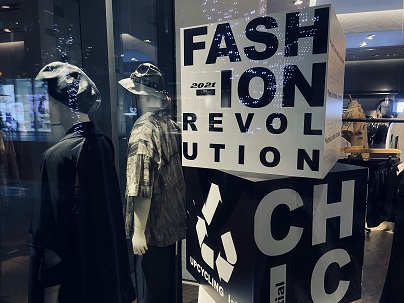
Introduction to Sustainable Fashion
Sustainable fashion refers to an approach to clothing design and production that prioritizes environmental protection and ethical practices. In an era where the fashion industry significantly contributes to pollution and resource depletion, understanding sustainable fashion is imperative. The principles encapsulating this concept promote the use of eco-friendly materials, ethical sourcing, and fair labor practices, aiming to reduce the negative impacts of garment production on both the planet and its inhabitants. One of the primary tenets of sustainable fashion is the utilization of eco-friendly materials. This includes organic cotton, recycled polyester, and innovative alternatives such as Tencel or hemp, which require fewer resources to produce compared to conventional fabrics. Not only do these materials minimize environmental harm during cultivation and production, but they also contribute to a reduced carbon footprint through sustainable processing methods.
Moreover, ethical sourcing plays a crucial role in the sustainable fashion narrative. This involves ensuring that raw materials are acquired from sources that practice sustainable agricultural methods. This not only safeguards ecosystems but also supports local communities by promoting fair trade practices. Companies committed to sustainable fashion often engage directly with suppliers, fostering relationships that emphasize transparency and responsibility.
Fair labor practices constitute another fundamental aspect of sustainable fashion. The industry has often been criticized for exploitative working conditions in developing countries, leading to increasing scrutiny regarding labor ethics. Sustainable fashion brands strive to provide safe and equitable workplaces, ensuring that all workers receive fair wages and work under humane conditions. This holistic approach promotes not only environmental sustainability but also social justice within the global fashion supply chain.
Why Sustainable Fashion Matters
The fashion industry has grown exponentially over the past few decades, but this growth comes at a significant environmental and social cost. One of the main reasons why sustainable fashion is crucial is its impact on the carbon footprint. According to the United Nations, the global textile industry is responsible for more than 1.2 billion tons of greenhouse gas emissions annually, which is more than the emissions of all international flights and maritime shipping combined. Transitioning to sustainable practices can dramatically reduce these emissions.
Additionally, pollution is a pressing issue linked to fashion production. Traditional textile manufacturing processes often involve harmful chemicals that contaminate water sources, impacting both ecosystems and communities. Reports indicate that around 20% of industrial water pollution originates from textile production, highlighting the dire need for sustainable alternatives that prioritize clean manufacturing practices.
Waste management presents another significant challenge. The “fast fashion” model promotes rapid production and consumption, leading to massive amounts of textile waste. The Ellen MacArthur Foundation estimates that a truckload of clothes is burned or sent to landfills every second. Sustainable fashion seeks to combat this problem by promoting recycling, upcycling, and reduced consumption. By embracing these practices, brands can contribute to a circular economy that minimizes waste.
Moreover, the exploitation of workers in the fast fashion supply chain remains a serious concern. Many laborers in developing countries work in unsafe conditions for minimal pay, with little regard for their rights. Supporting sustainable fashion brands that prioritize ethical labor practices can help alleviate this issue and promote fair treatment across the industry.
The urgency of the sustainable fashion movement is underscored by these statistics and trends. As consumers become more aware of the consequences of their purchasing choices, the demand for transparency and ethical production will continue to grow. In doing so, we can foster a positive change in the fashion industry, creating a more sustainable future for all.
Top Sustainable Fashion Brands to Watch
As sustainability becomes a crucial aspect of fashion, numerous brands are emerging as leaders in ecological responsibility and ethical production. These innovators are reshaping the industry and showcasing that style can indeed go hand in hand with sustainability.
One prominent name in the sustainable fashion landscape is Patagonia. Renowned for its commitment to environmental activism, Patagonia utilizes recycled materials in its clothing and prioritizes fair labor practices. The brand also encourages customers to repair and recycle their products, reinforcing its philosophy of reducing waste.
Another noteworthy brand is Ettitude, which specializes in bamboo textiles. Ettitude’s unique approach involves sourcing sustainable bamboo, which grows quickly and regenerates naturally. By converting bamboo into soft, luxurious fabrics, the brand offers consumers an eco-friendly alternative to traditional materials while ensuring that its production processes align with environmentally friendly practices.
Reformation has gained popularity for its trendy pieces that do not compromise on sustainability. The brand tracks its environmental impact through its “RefScale,” providing transparency about the water, energy, and waste involved in the manufacturing of each garment. Reformation also aims to create stylish clothing with minimal ecological footprints, making it a favorite among fashion-forward, eco-conscious consumers.
Allbirds is another brand setting a standard in the sustainable footwear sector. Committed to providing shoes with lower carbon footprints, Allbirds utilizes natural materials like merino wool and eucalyptus tree fiber. Their dedication to sustainability extends through their entire business model, which includes transparent sourcing and carbon offset initiatives designed to minimize environmental impact.
Lastly, Thought Clothing stands out for its dedication to using organic and sustainable materials. By focusing on styles that are timeless and high-quality, the brand promotes longevity in fashion choices, encouraging consumers to invest in sustainable pieces rather than fast fashion. Each of these brands exemplifies the potential for sustainable fashion to thrive while making a positive impact on the environment and society.
Innovative Materials in Sustainable Fashion
Sustainable fashion is increasingly characterized by its commitment to using innovative materials that minimize environmental impact while promoting ethical production practices. One of the most significant materials making waves in the industry is organic cotton. Unlike conventional cotton, which is heavily reliant on pesticides and synthetic fertilizers, organic cotton is cultivated without harmful chemicals, making it a safer choice for both the environment and the workers involved in its production. This eco-friendly alternative not only reduces the carbon footprint but also provides a quality fabric that is increasingly in demand.
Another game-changing material in the realm of sustainable fashion is recycled polyester. Derived from post-consumer plastic waste, recycled polyester significantly reduces the need for virgin materials, helping to decrease plastic pollution. This material serves as a testament to the fashion industry’s shift toward circularity, where products are designed with their life cycle in mind, further emphasizing the commitment to sustainability.
Hemp is also gaining traction as a highly sustainable fabric. It requires minimal water and no pesticides to grow, making it one of the most environmentally friendly options available. Hemp’s durability and natural resistance to pests further position it as an ideal choice for sustainable clothing lines, offering both functionality and longevity.
In addition to these traditional sustainable materials, innovative lab-grown fabrics are revolutionizing the industry. Utilizing biotechnology, these fabrics are produced with lower carbon emissions compared to conventional materials. By offering alternatives to animal-based textiles as well, lab-grown fabrics align perfectly with the principles of sustainability.
In conclusion, the incorporation of these innovative materials not only helps mitigate environmental damage but also fosters a broader acceptance of sustainable practices within the fashion sector. Brands that prioritize these materials are laying the groundwork for a more sustainable future in fashion, encouraging consumers to make eco-conscious choices.
Consumer Choices and Sustainable Fashion
In the evolving landscape of fashion, consumer choices play a crucial role in promoting sustainable practices. To make informed decisions regarding eco-friendly brands, consumers must develop an understanding of what defines sustainable fashion. This starts with seeking brands that prioritize ethical production processes, utilize sustainable materials, and demonstrate transparent supply chains. By doing so, consumers can align their purchasing decisions with their values.
One key aspect of identifying sustainable fashion brands is being mindful of labels. Many brands now feature eco-certifications or labels that indicate a commitment to sustainability, such as Fair Trade, Organic, or Global Organic Textile Standard (GOTS). Familiarizing oneself with these certifications helps consumers distinguish between genuinely sustainable products and those that may engage in greenwashing, which is the practice of misleading consumers about the environmental practices of a brand.
Additionally, it is important for consumers to research the materials used in garments. Opting for clothes made from organic cotton, Tencel, hemp, or recycled fabrics not only reduces environmental impact but also supports innovations in sustainable fashion. Consumers can also consider the longevity and quality of clothing, as investing in durable pieces reduces the need for frequent replacements, ultimately leading to a smaller carbon footprint.
Buying secondhand or vintage clothing is another effective way to contribute to sustainable fashion. This practice not only extends the lifecycle of garments but also reduces waste associated with fast fashion. Many online platforms and local thrift stores offer a plethora of options that appeal to various styles, making it easier for consumers to embrace this eco-conscious shopping habit.
The Future of Sustainable Fashion
The concept of sustainable fashion is rapidly evolving, driven by a collective recognition of the environmental and social challenges posed by fast fashion. As the industry progresses, several emerging trends and technologies signal a transformative future that prioritizes sustainability.
One pivotal trend is circular fashion, which aims to extend the lifecycle of garments through techniques such as repair, refurbishment, and recycling. This model not only minimizes waste but also encourages consumers to rethink their relationship with clothing. By valuing high-quality, durable pieces, fashion enthusiasts can actively participate in reducing the industry’s ecological footprint.
Technological integration plays a crucial role in shaping the future of sustainable fashion. Innovations such as 3D printing, artificial intelligence, and blockchain technology are streamlining manufacturing processes and enhancing transparency within supply chains. For instance, 3D printing allows for on-demand production that reduces excess inventory, thereby alleviating some of the waste associated with traditional garment manufacturing. Additionally, AI-driven insights enable brands to forecast demand more accurately, optimizing resource use.
Moreover, shifts in consumer behavior are vital for supporting sustainability in fashion. Consumers are becoming increasingly conscious of their purchasing decisions, seeking brands that align with their values. This heightened awareness drives the demand for ethically produced, environmentally friendly products. As a result, brands striving for sustainability are beginning to prioritize eco-friendly materials and adopt ethical labor practices, further encouraging responsible consumption.
In conclusion, the future of sustainable fashion is characterized by innovative practices and a consumer base that values sustainability. As circular fashion models gain traction and technology continues to reshape production methods, the potential for sustainability in fashion becomes more promising. This evolving landscape sets the stage for a more responsible, environmentally-friendly industry that reflects a global commitment to positive change.
Challenges Facing Sustainable Fashion Brands
Sustainable fashion brands are increasingly becoming pivotal in the change towards a more environmentally conscious industry. However, they face a myriad of challenges that hinder their growth and scalability. One of the primary hurdles is the fierce competition from fast fashion brands, which dominate the market with their ability to offer trendy apparel at significantly lower prices. Fast fashion is characterized by rapid production cycles, high volume, and low-cost items, making it difficult for sustainable brands to attract consumers who often prioritize price over ethical considerations.
Additionally, the production costs associated with sustainable practices are generally higher compared to traditional methods. Sustainable materials, ethical labor practices, and environmentally friendly production processes all contribute to increased expenses. This translates to higher retail prices, which may deter cost-sensitive consumers from choosing sustainable options. The challenge here lies not just in cost management, but also in educating the market about the long-term value associated with investing in sustainable products.
Consumer education is another significant barrier. Many individuals remain unaware of the environmental and social consequences of their purchasing decisions, making it difficult for sustainable brands to convey the importance of choosing ethically-made products. This lack of awareness can reduce the demand for sustainable fashion, thus impacting brand visibility and financial viability.
All these challenges compound, limiting the scalability and accessibility of sustainable fashion brands. Despite these obstacles, ongoing efforts in consumer education, brand collaboration, and innovative marketing strategies are essential for overcoming such challenges. The sustainable fashion movement must continue to advocate for change within the industry while striving to make its offerings more accessible and appealing to the broader consumer base.
Success Stories and Impact
Sustainable fashion has gained significant traction in recent years, with numerous brands emerging as pioneers in the industry. One notable success story is that of Patagonia, which has not only committed to producing environmentally friendly clothing but has also actively engaged in environmental activism. Through its Worn Wear program, Patagonia encourages customers to repair, reuse, and recycle their clothing, significantly reducing waste. This initiative has been instrumental in fostering a culture of sustainability among consumers, showcasing that recycled materials can be both high-quality and stylish.
Another inspiring example is Everlane. This brand is renowned for its commitment to transparency in pricing and sourcing. Everlane’s initiatives, such as the Choose What You Pay model, demonstrate a shift towards ethical business practices by allowing consumers to see the true cost of production. By employing ethical factories and revealing their profit margins, Everlane builds trust with consumers who are increasingly concerned about the origins of their purchases. This transparency has not only garnered them a loyal customer base but also set a precedent for accountability in the fashion industry.
Moreover, the Reformation brand stands out for its innovative approach to sustainability. By utilizing eco-friendly materials and practices that minimize water and energy consumption, Reformation is paving the way for a new standard in fashion. Their “RefScale” measures the brand’s impact and encourages mindful consumption among their customers. Their successful approach demonstrates how sustainable practices can blend seamlessly with fashion-forward designs, appealing to a market that desires both style and sustainability.
These examples exemplify the positive impact sustainable fashion brands can have on the environment and communities. As they continue to set new standards, they serve as valuable lessons for aspiring brands looking to join the movement towards a more sustainable future.
Conclusion: The Role of Individuals in Sustainable Fashion
The journey towards sustainable fashion is not solely reliant on brands and manufacturers; rather, it requires the active participation of individuals. Each consumer possesses the power to influence the fashion industry through their purchasing choices and lifestyle habits. By supporting sustainable fashion brands, individuals can contribute to fostering a marketplace that values environmentally friendly practices and ethical production.
Responsible consumerism entails being mindful of the environmental and social implications of clothing purchases. By carefully considering where, how, and from whom we buy clothing, we reinforce sustainable practices. Choosing to invest in high-quality garments that are made to last, opting for brands that prioritize transparency, and seeking second-hand options are effective strategies that individuals can employ. These decisions not only reduce waste but also promote a culture of sustainability.
Moreover, individuals have the opportunity to advocate for change within their communities and networks. Engaging in conversations about sustainable fashion and sharing knowledge about brands that align with these values can inspire others to make conscious choices. Social media platforms serve as valuable tools for amplifying the message of sustainability, and individuals can leverage these platforms to promote their favorite eco-friendly brands, thereby expanding awareness and encouraging a collective shift toward sustainable solutions.
Ultimately, sustainable fashion is a movement that thrives on collective effort. Every person holds the responsibility to contribute, whether through their consumption patterns or by encouraging others to join the cause. As awareness and advocacy grow, the potential for a significant transformation in the fashion industry becomes more attainable. Embracing sustainable fashion is not just about personal choice—it is about fostering a better future for the planet and its inhabitants.