

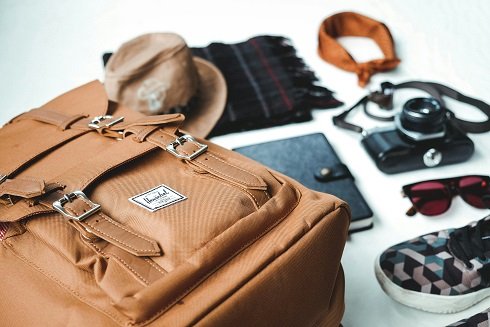
Embarking on a road trip essentials thoughtful planning and organization to ensure a smooth and enjoyable experience. One of the initial steps in preparing for a journey is identifying the duration of the trip. Knowing how long you will be on the road helps in determining the amount of food, clothing, and other supplies needed to keep all travelers comfortable and satisfied. The number of travelers is another critical factor in your planning process. Packing for a solo trip differs significantly from preparing for a family adventure. Each passenger’s needs should be considered, ensuring that personal items like medications, entertainment options, and individual comfort items are accounted for. Additionally, the collective packing of shared resources, such as snacks and activities, can optimize space in the vehicle and enhance the travel experience.
Your specific destinations and the expected climate en route also significantly influence your packing list. If your journey includes diverse landscapes or weather conditions—from sunny beaches to mountainous terrains—careful consideration should be given to clothing appropriate for each environment. Being prepared for any situation can prevent discomfort and unexpected delays during the trip.
Creating a checklist is an effective strategy to ensure that no essential item is overlooked. This list should encompass various categories, including clothing, food and beverages, safety equipment, personal hygiene products, and navigational tools like maps or GPS devices. Utilizing a checklist allows you to systematically pack and confirm that all essentials are included, reducing the chances of forgetting critical items.
Must-Have Personal Items
When embarking on a road trip, packing the right personal items is essential for ensuring a comfortable and enjoyable journey. Considering the destination and weather conditions, it’s vital to select appropriate clothing. Layering is often the best strategy, as it allows for adjustments based on fluctuating temperatures throughout the day. Be sure to include versatile pieces that can be mixed and matched to minimize packing space.
Personal hygiene products are another crucial category to include in your packing list. Essentials such as toothbrushes, toothpaste, deodorant, and hand sanitizer should not be overlooked. If traveling with others, it’s a courteous practice to pack enough supplies for everyone. Additionally, don’t forget toiletries like shampoo, conditioner, and skincare products—especially if you’ll be on the road for an extended period.
Medications play a significant role in personal care while traveling. It’s advisable to carry any prescription medications in their original containers, along with a list of dosages and schedules for easy reference. For over-the-counter medications, consider packing essentials such as pain relievers, allergy medications, and stomach remedies, depending on individual needs.
Document organization is also a vital aspect of road trip essentials. Travelers should ensure they have valid identification, insurance information, and any necessary travel documents handy. Keeping these documents in a specific, easily accessible location reduces stress during your travels, enabling quick retrieval when needed.
To facilitate efficient packing, utilize packing cubes or compression bags to maximize space and keep items organized. Categorizing your personal items not only simplifies the process but also ensures that nothing is overlooked. Utilizing a checklist can further help in tracking all essential personal items before hitting the road. By adhering to these guidelines, travelers can be better prepared for a memorable road trip experience.
Road Trip Comfort and Entertainment Supplies
When planning for a road trip, one of the key aspects to consider is the comfort and entertainment of all passengers. The journey can become monotonous if adequate measures are not taken, making it imperative to pack essential supplies that enhance the experience.
First and foremost, snacks play a pivotal role in road trip enjoyment. It is advisable to prepare a variety of healthy options such as nuts, fruits, and granola bars. These snacks not only stave off hunger but also maintain energy levels without causing excessive sugar crashes. Additionally, having a selection of beverages, including water, juices, or sodas, ensures hydration and can add to the enjoyment of the trip.
Equally important in enhancing comfort are blankets and pillows. A travel blanket can keep passengers warm and cozy, while a travel pillow can provide necessary support for a restful nap. These items help create a more pleasant atmosphere in the vehicle, allowing everyone to feel more at ease, especially during long stretches of driving.
To keep minds engaged, incorporating entertainment options is essential. Audiobooks and curated playlists can transform the vehicle into a mini theater, making the miles fly by. Additionally, portable games or card sets can be a wonderful way to bond and pass the time.
Finally, consider downloading some podcasts or engaging in conversation to keep energy levels high. Balancing these elements—snacks, comfort items, and entertainment—will ensure that the road trip is not merely a means to an end but an enjoyable experience in itself. Taking the time to prepare wisely can make all the difference in creating lasting memories on the road.
Safety and Emergency Gear
When embarking on a long road trip, ensuring your safety and preparedness for unexpected situations is paramount. Packing essential safety and emergency gear can mean the difference between a minor inconvenience and a major setback. One of the most critical items to include is a well-stocked first-aid kit. This kit should contain basic supplies such as adhesive bandages, antiseptic wipes, gauze pads, and antiseptic ointment. Having these items on hand ensures you can address minor injuries on the go without delay.
Another vital component of any road trip safety plan is roadside emergency tools. Flares and warning triangles can alert other drivers in the event of a breakdown or flat tire, reducing the risk of further incidents. Additionally, jumper cables are a practical tool for addressing battery-related issues that often occur in remote areas. Ensure that these cables are compatible with your vehicle and easy to reach in the trunk. It is advisable to familiarize yourself with jump-start procedures prior to your trip.
Beyond the basics, carrying extra supplies is beneficial for enhancing your emergency preparedness. A flashlight with fresh batteries can be invaluable when dealing with car troubles after dark. Additionally, having ample water and non-perishable snacks can sustain you during prolonged situations, particularly in isolated regions where assistance might be slow to arrive. Vehicle owners should also consider packing a spare tire, along with the necessary tools to change a tire should the need arise.
Being proactive about safety and emergency gear can provide peace of mind during your travels. By anticipating potential challenges and packing accordingly, you can ensure that your road trip remains enjoyable and comfortable, even when faced with the unexpected.