

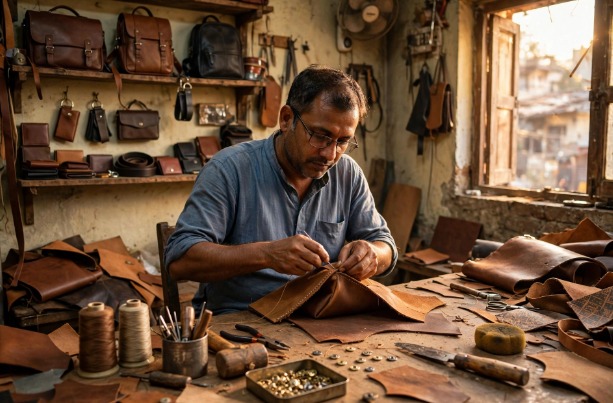
Mumbai is a city of ambition, creativity, and entrepreneurship, where small businesses and traditional crafts contribute to its vibrant economy. Among its most fascinating destinations is Dharavi, a neighbourhood widely recognised for its thriving network of small-scale industries, skilled artisans, and hardworking entrepreneurs. Beyond its reputation as one of Asia’s largest informal settlements, Dharavi is home to a dynamic business ecosystem where craftsmanship, innovation, and community come together.
Exploring Dharavi’s local industries offers visitors an opportunity to understand the people, skills, and stories that shape everyday life in this remarkable part of Mumbai.
Discovering Dharavi’s Thriving Industrial Landscape
Dharavi is much more than a residential neighbourhood. It is also an important centre for small-scale manufacturing, recycling, leatherwork, pottery, garment production, and various other commercial activities. Many businesses operate through family-owned workshops, where skills and knowledge are passed down through generations.
These enterprises contribute to local livelihoods and supply products to markets across Mumbai and beyond. Despite limited space and challenging working conditions, many entrepreneurs have built sustainable businesses through determination, practical knowledge, and strong community networks.
For visitors interested in understanding Mumbai beyond its popular landmarks, exploring Dharavi’s industrial landscape provides a different perspective on the city’s economic and cultural identity.
Leather Manufacturing: A Tradition of Skilled Craftsmanship
Leatherwork is one of Dharavi’s best-known industries. The neighbourhood has numerous workshops involved in producing leather bags, wallets, belts, accessories, and other everyday products.
Behind each finished item is a process that requires precision, experience, and attention to detail. Artisans work with different materials, cut and stitch components, and carefully assemble products to meet market requirements. Many workshops combine traditional techniques with modern production methods to serve changing customer preferences.
Observing these processes helps visitors appreciate the amount of skill and effort involved in creating products that are often taken for granted. It also highlights the role of small manufacturers in supporting Mumbai’s wider retail and trading networks.
Recycling and Sustainability: Turning Waste into Resources
Dharavi has a well-established recycling ecosystem that includes the collection, sorting, processing, and reuse of different materials. Small businesses and workers help recover resources from discarded products, including plastics, metals, and other recyclable materials.
This industry demonstrates how resourcefulness can support economic activity while reducing the amount of waste sent to landfills. Recycling operations also create employment opportunities for people involved in different stages of the process.
Although the sector faces challenges related to working conditions, waste management, and environmental safety, it remains an important part of discussions about urban recycling and the circular economy.
Learning about these activities provides visitors with a better understanding of the people and processes behind material recovery in a large city like Mumbai.
Pottery and Traditional Handicrafts
Dharavi’s Kumbharwada area is known for its pottery-making community, where artisans create earthen pots, lamps, decorative pieces, and other clay products. The craft reflects a longstanding tradition that continues to adapt to modern consumer demands.
The pottery-making process involves preparing clay, shaping it by hand or on a wheel, drying the pieces, and firing them to achieve the desired finish. Each stage requires patience, practice, and a deep understanding of the material.
Seasonal celebrations and festivals can create additional demand for traditional clay products, helping preserve the craft and the knowledge associated with it.
Meeting local potters offers a chance to appreciate the relationship between cultural heritage and contemporary livelihoods. It also shows how traditional industries continue to find a place within Mumbai’s rapidly changing urban environment.
Garment Production and Small-Scale Manufacturing
Another important part of Dharavi’s local economy is garment production. Small workshops manufacture clothing, stitch fabric, and undertake finishing work for different customers and businesses.
These units often rely on specialised skills, flexible production methods, and close coordination between workers. Their ability to handle different orders allows them to serve a variety of market needs.
The garment industry also illustrates the importance of informal business networks. Suppliers, manufacturers, traders, and workers often depend on one another to complete orders and maintain business relationships.
For visitors, discovering these workshops offers insight into the everyday work that supports the larger fashion and textile economy.
Meet the Makers Behind the Products
What makes Dharavi’s local industries particularly interesting is the people behind them. Artisans, workshop owners, skilled workers, and entrepreneurs bring years of experience to their professions.
Many businesses have grown through family involvement, practical learning, and close relationships with customers and suppliers. Their stories reveal how individuals develop specialised skills, respond to changing market conditions, and build livelihoods in a competitive urban environment.
A meaningful visit should focus not only on observing production but also on understanding the people involved. When conducted responsibly, guided experiences can help visitors learn about local businesses while respecting workers’ privacy, working hours, and cultural practices.
Photography and conversations should always take place with permission, particularly in active workshops and residential areas.
Experience Dharavi Through a Guided Tour
A guided Dharavi slum tour can help visitors explore the neighbourhood’s industries with greater context and understanding. Rather than simply walking through its streets, visitors can learn about the history of local businesses, the skills involved in different crafts, and the economic connections that support these enterprises.
A knowledgeable guide can explain how small workshops operate, introduce visitors to traditional production techniques where access is permitted, and share insights into the neighbourhood’s social and commercial life.
Responsible tourism is essential. Visitors should approach the experience with an open mind, avoid treating residents as attractions, and recognise Dharavi as a living community where people work, study, raise families, and run businesses.
Choosing an experience that respects local residents and supports a fair representation of the neighbourhood can make the visit more informative and meaningful.
Combine Local Industry Exploration with Mumbai Sightseeing
Dharavi’s industrial heritage is just one part of Mumbai’s diverse identity. The city is also known for its historic architecture, coastal views, cultural institutions, bustling markets, and iconic landmarks.
Combining an industrial exploration with a Mumbai City Tour allows travellers to experience different sides of the city. Visitors can learn about Dharavi’s entrepreneurial spirit and then explore other attractions that showcase Mumbai’s colonial history, modern development, and cultural diversity.
This combination creates a more rounded travel experience, connecting the everyday lives of local communities with the broader story of Mumbai as a major commercial and cultural centre.
Whether you are visiting Mumbai for the first time or returning to discover something new, including local industries in your itinerary can offer a deeper understanding of the city’s character.
Why Dharavi’s Local Industries Deserve Recognition
Dharavi’s workshops and small businesses demonstrate the importance of skill, perseverance, and entrepreneurship in urban economies. From leather accessories and pottery to recycling and garment production, these industries support livelihoods and preserve valuable practical knowledge.
They also highlight the challenges faced by small enterprises, including limited infrastructure, changing customer expectations, and the need for safer working environments. Understanding both their contributions and their challenges provides a more balanced view of the neighbourhood.
Most importantly, meeting the makers allows visitors to move beyond assumptions and appreciate the creativity and determination that drive local businesses.
Conclusion
Exploring Dharavi’s local industries is an opportunity to discover a side of Mumbai that often remains outside conventional sightseeing itineraries. The neighbourhood’s artisans, manufacturers, and entrepreneurs reveal a story of craftsmanship, resourcefulness, and community-driven economic activity.
From leather workshops and recycling units to pottery studios and garment businesses, every industry offers a different perspective on how people create products, develop skills, and sustain livelihoods.
By choosing a respectful guided experience and taking the time to understand the people behind the work, visitors can gain a richer appreciation of Dharavi and its contribution to Mumbai. It is an experience that reminds us that the true character of a city is found not only in its famous landmarks but also in the everyday efforts of the people who make it thrive.