

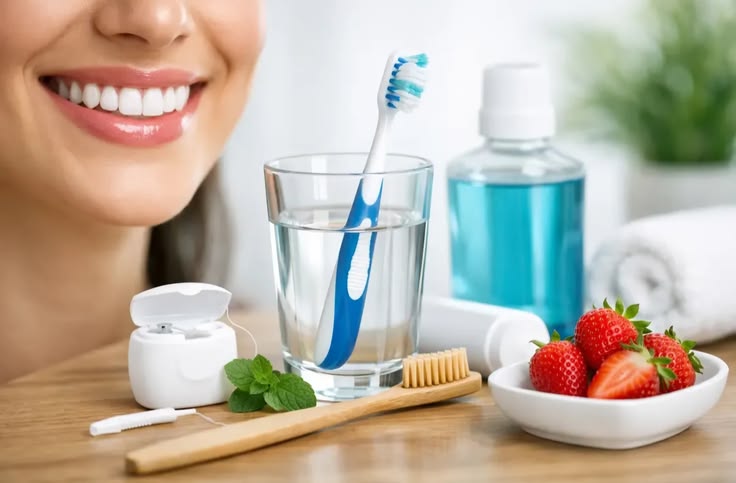
Dental care often gets pushed to the back burner until a sharp toothache or sudden sensitivity forces an emergency visit. However, tooth decay, gum disease, and enamel erosion develop gradually over months and years. According to clinical studies from the Centers for Disease Control and Prevention (CDC), over 47% of adults aged 30 and older show signs of periodontal disease, while nearly 90% of adults experience at least one cavity by age 40.
Preventing these issues requires more than an occasional quick brush before bed. By establishing a consistent daily routine and understanding how plaque bacteria interact with your teeth, you can shield your enamel, protect your gums, and avoid costly restorative procedures down the road.
The 2-minute brushing routine that actually works
Brushing your teeth is the foundation of daily oral hygiene, yet most people only brush for about 45 to 60 seconds per session. To effectively dislodge sticky plaque biofilm, you need a full 120 seconds (2 minutes) twice every day.
Follow these clinical steps for optimal surface cleaning:
- Angle the bristles: Hold a soft-bristled toothbrush at a 45-degree angle toward the gumline. This angle allows the bristles to clean slightly beneath the gum margin where bacteria aggregate.
- Use short, gentle strokes: Move the brush back and forth in short, tooth-wide brush strokes. Avoid harsh sawing motions, which recede gum tissue and wear away protective enamel over time.
- Clean all three surfaces: Thoroughly brush the outer surfaces, inner surfaces, and flat chewing surfaces of every tooth.
- Choose fluoride toothpaste: Select a toothpaste containing between 1,000 and 1,450 ppm fluoride to remineralize weakened enamel and reverse micro-cavities before they break through the outer surface.
- Spit, don’t rinse immediately: Spit out excess foam after brushing, but refrain from rinsing your mouth with water right away. Leaving a thin layer of fluoride on your teeth gives the mineral extra time to strengthen your enamel.
Flossing and interdental cleaning: Beyond the toothbrush
Standard toothbrushes reach only 60% of tooth surfaces. The remaining 40% lies in the tight spaces between teeth, where food particles lodge and plaque thrives untouched. Leaving these areas dirty dramatically increases your risk of interproximal cavities and localized gum inflammation.
Interdental cleaners dislodge debris that bristles miss entirely. String floss wrapped tightly around the side of each tooth in a “C” shape scrapes away soft biofilm. For individuals with wider gaps, dental bridges, or orthodontic appliances, small interdental brushes or water flossers offer effective alternatives.
“Plaque matrix begins hardening into porous calculus within 24 to 48 hours of neglected hygiene,” notes American Dental Association clinical guidelines. “Once calculus forms, manual brushing alone cannot remove it—only professional scraping instruments can restore a clean enamel surface.”
Flossing once daily before your evening brush removes trapped debris, allowing the fluoride from your toothpaste to penetrate between teeth directly.
Dietary triggers and how enamel reacts to acid
Every time you eat, plaque bacteria feed on simple carbohydrates and sugars, releasing corrosive acids as a byproduct within 20 seconds. These acids attack enamel and initiate demineralization when oral pH drops below 5.5.
To minimize acid exposure throughout the day, modify how and when you consume food:
- Limit snacking frequency: Sipping sweet drinks or eating snacks every hour keeps your mouth in a continuous low-pH state. Keep carbohydrate intake to main meal times so your saliva can neutralize acids between meals.
- Drink water after eating: Swishing fresh water after meals rinses away lingering food particles and restores neutral pH levels within 15 to 20 minutes.
- Wait 30 minutes after acidic foods: Citrus fruits, coffee, and sodas temporarily soften enamel. Wait at least 30 minutes before brushing after consuming acidic items to prevent abrading weakened enamel.
Professional cleanings and early clinical intervention
Home care forms your first line of defense, but professional cleanings remain essential. Calculus buildup and stubborn tartar beneath the gumline demand specialized hand scalers and ultrasonic instruments.
Routine exams every 6 months allow clinicians to spot micro-cavities, hairline fractures, and early gingivitis before symptoms escalate into severe infections. When patients experience early gum tenderness, persistent bad breath, or bleeding during brushing, scheduling a comprehensive exam with experienced clinicians like Dr. Julie Beach ensures potential issues are managed before irreversible structural damage occurs. Working with trusted dentists in Rochester, NY provides personalized preventive protocols, deep periodontal evaluations, and professional fluoride treatments that fortify teeth against everyday wear.
Early intervention keeps minor dental concerns simple, painless, and affordable.
Mouthwash and targeted therapeutic rinses
Antiseptic and fluoride mouthwashes add an extra layer of protection to your daily regimen. While rinsing never replaces mechanical brushing or flossing, therapeutic mouthwashes reach free-floating bacteria across your tongue, cheeks, and palate.
- Cetylpyridinium Chloride (CPC) rinses: Disrupt bacterial cell walls and reduce overall oral bacterial counts by up to 50%.
- Fluoride rinses: Provide additional mineral binding for patients prone to recurrent tooth decay or dry mouth.
- Alcohol-free formulas: Prevent painful tissue dryness and maintain comfortable saliva flow.
Rinse for 30 to 60 seconds after brushing or at midday to keep bacterial populations low between scheduled brushings.
Protecting enamel against nocturnal bruxism
Teeth grinding and jaw clenching (bruxism) affect roughly 15% of adults during sleep. Chronic grinding exerts hundreds of pounds of pressure on tooth crowns, leading to chipped edges, cracked fillings, enamel flattening, and chronic jaw joint pain.
If you wake up with morning headaches, sore masseter muscles, or sensitive teeth, mention these signs to your dentist. A custom-fitted night guard redistributes bite forces by up to 70%, creating a durable barrier that protects natural tooth structures and existing dental work throughout the night.
Your simple daily oral health checklist
Keep your daily hygiene routine organized and consistent with this straightforward schedule:
- Morning: Brush for 2 minutes with fluoride toothpaste, scrape your tongue from back to front, and rinse with water.
- Post-Meals: Swish water thoroughly after eating; wait 30 minutes to brush if you consumed acidic foods or beverages.
- Evening: Clean interdental spaces thoroughly with string floss or interdental brushes, brush for 2 minutes, spit excess toothpaste without rinsing, and insert your custom night guard if you grind your teeth.
Consistent, daily habits protect your smile, preserve your natural teeth for a lifetime, and prevent painful dental emergencies before they ever start.