

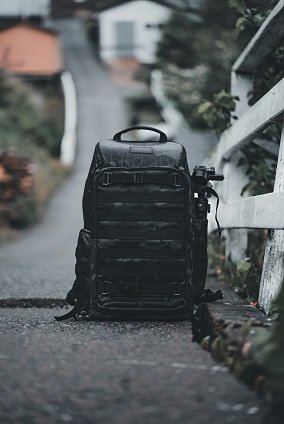
Choosing the best travel backpack begins with a comprehensive understanding of your travel needs. Individual travel styles play a crucial role in determining the appropriate backpack size and features. Travelers can generally be categorized by the duration of their trips: short getaways such as weekend trips may require a compact and lightweight backpack, while longer excursions or long-term travel might necessitate a larger and more versatile option.
Furthermore, the environments in which you will be traveling significantly influence the selection process. Urban travelers may prioritize a stylish, organized backpack that allows for easy access to electronics and essentials. In contrast, hikers or adventurers may require a robust and durable backpack featuring additional gear compartments, hydration systems, and enhanced support systems, such as padded straps and ventilation panels.
Personal preferences also weigh heavily in the decision-making process. Some travelers prefer a minimalist approach, opting for a backpack that is suitable for carrying only the essentials, which promotes efficiency and ease of movement. Others might favor a more equipped approach, packing additional supplies for unforeseen circumstances or varying climates. Understanding whether you lean towards a minimalist style or a more comprehensive packing strategy is key in selecting the right travel backpack.
Ultimately, evaluating these factors—trip length, travel environments, and personal preferences—can facilitate the process of narrowing down options to find a backpack that fulfills your specific travel requirements. By carefully assessing these aspects, you can ensure that your chosen backpack not only meets your current travel needs but is also adaptable for future adventures.
Key Features to Look For
When selecting the best travel backpack, it is crucial to consider various essential features that cater to your specific travel needs. To begin with, the size and capacity of the backpack are paramount. A travel backpack should ideally offer sufficient space to accommodate your belongings without being overly cumbersome. Consider your typical travel duration and the kinds of items you plan to carry to determine the appropriate volume, measured in liters.
Moreover, weight distribution is an often overlooked aspect. A well-designed travel backpack redistributes weight evenly across your back and shoulders, which enhances comfort even during prolonged wear. Look for models with padded shoulder straps and a hip belt, as these components significantly contribute to effective weight management.
The materials used in construction also play a vital role in the durability and longevity of your backpack. High-quality, rip-resistant fabrics ensure that your backpack can withstand the rigors of travel while maintaining its aesthetic. Additionally, checking for water resistance features will help protect your belongings from unexpected rain or spills, ensuring that your essentials remain safe and dry.
Equally important are the organizational features, such as the presence of multiple pockets and compartments. These allow for efficient packing and easy access to items such as passports, electronics, and snacks. Features like hidden pockets can provide security for valuables, adding an essential layer of protection.
Lastly, consider comfort factors such as back support and adjustable straps. A travel backpack that offers ample back support can significantly reduce strain, making it easier to carry for extended periods. In summary, focusing on these critical features can guide you in choosing the most suitable travel backpack for your adventures, ensuring a balance of comfort, functionality, and security.
Budgeting for Your Backpack
Choosing the right travel backpack involves careful consideration of your budget. The price of a backpack can vary widely, and determining how much you are willing to spend is essential before making a purchase. Travel backpacks can typically be categorized into three main price ranges: budget, mid-range, and premium.
Budget backpacks usually range from $30 to $100. While these packs may be more affordable, they often come with compromises in terms of quality and durability. Budget backpacks are suitable for casual travelers or short trips where high wear and tear are less likely. However, these packs may lack essential features such as comprehensive organizational pockets or advanced carrying systems.
Mid-range backpacks fall between $100 and $300 and generally offer a better blend of quality and features. These backpacks are often constructed from more durable materials, equipped with ergonomic designs, and include practical features such as hydration reservoirs and adjustable straps. Mid-range packs are ideal for travelers who frequently embark on longer journeys and require more functionality and comfort.
Premium backpacks exceed $300 and are designed for serious adventurers. These packs boast superior materials, advanced technology, and extensive features. Premium backpacks are typically backed by warranties and are built to last through extensive use in challenging conditions. Investing in a premium backpack may be worthwhile if you plan to engage in extensive travel, hiking, or outdoor activities.
When looking for the best deals, it is important to shop around and consider seasonal discounts, clearance sales, or special promotions. Understanding warranty options can also provide peace of mind, especially when investing in high-quality backpacks. In summary, carefully evaluate your travel needs and budget to find a backpack that best suits your requirements and preferences.
Testing and Choosing Your Backpack
Choosing the right travel backpack is essential for ensuring comfort and functionality during your travels. The best way to determine if a backpack meets your needs is to physically try it on. Seeking a comfortable fit is crucial; the backpack should rest comfortably against your back without creating pressure points. When you try on a backpack, pay attention to the way the straps adjust and how easily they can be modified to suit your body shape.
Start by loading the backpack with a reasonable amount of weight, akin to what you would carry during a typical journey. As you walk around the store or designated testing area, assess how the weight feels distributed across your shoulders and hips. A well-fitted backpack should allow you to move freely without causing strain. Additionally, consider the padding of the shoulder straps and hip belt; adequate cushioning can significantly enhance comfort during extended wear.
While shopping at a physical location is ideal, there are also effective strategies for online purchases. When limited to virtual shopping, carefully review the sizing charts provided by vendors. Look for bags that offer a return policy, so you have the opportunity to try out the backpack in a real-world setting. Customer reviews can be very illuminating, as they often highlight both the pros and cons of a backpack regarding comfort and durability.
Ultimately, testing a backpack before making a purchase allows you to feel more confident in your decision. Aim to ensure the backpack’s fit suits your unique body type and preferences, whether purchasing in-store or online. By prioritizing these testing guidelines, you can choose a travel backpack that will serve your needs effectively, providing both comfort and support during your adventures.