
Mood swings are a normal part of being human. But when those swings become extreme, last for days or weeks at a time, and start interfering with work, relationships, or basic functioning, something more significant may be happening. Bipolar disorder affects roughly 2.8 percent of adults in the United States each year, according to the National Institute of Mental Health, and it remains one of the most misunderstood conditions in mental health care. Many people live with it for years before receiving an accurate diagnosis. Understanding what bipolar disorder actually looks like, how it differs from ordinary mood variation, and what treatment can realistically accomplish, makes a meaningful difference for anyone trying to make sense of their own experience or support someone they care about.
What Bipolar Disorder Actually Involves
Bipolar disorder is a mood disorder characterized by distinct episodes of mania or hypomania alternating with episodes of depression. The word “bipolar” refers to these two poles of mood, though the disorder is rarely as simple as flipping between happy and sad. During a manic episode, a person may feel unusually energetic, euphoric, or irritable, sleep very little without feeling tired, talk rapidly, make impulsive decisions, and experience a grandiose sense of their own abilities. These episodes can feel exhilarating at first, which is one reason people sometimes resist treatment during them. The consequences, however, can be severe: damaged relationships, financial harm, and in some cases, hospitalization.
Depressive episodes in bipolar disorder look similar to major depression. Low energy, persistent sadness, loss of interest in things that once brought pleasure, difficulty concentrating, and in serious cases, thoughts of suicide or self-harm. The critical distinction is that in bipolar disorder, those depressive periods are part of a larger pattern that includes elevated mood states. Treating it as ordinary depression without recognizing that pattern can actually worsen outcomes, because antidepressants used alone can sometimes trigger manic episodes in people with bipolar disorder.
The Different Types and How They Compare
Not all bipolar disorder looks the same, and the differences matter when it comes to diagnosis and care. The Diagnostic and Statistical Manual of Mental Disorders, Fifth Edition (DSM-5) recognizes several distinct types.
| Type | Key Feature | Severity of Mania | Depressive Episodes |
| Bipolar I | At least one full manic episode | Full mania, may require hospitalization | Common but not required for diagnosis |
| Bipolar II | Hypomanic and depressive episodes | Hypomania only, less severe than mania | Prominent and often long-lasting |
| Cyclothymic Disorder | Chronic mood instability | Hypomanic symptoms, not full episodes | Depressive symptoms, not full episodes |
| Other Specified | Bipolar features that don’t fit above categories | Varies | Varies |
Bipolar I is often what people picture when they think of the disorder: full manic episodes that can be dramatic and sometimes dangerous. Bipolar II is frequently misidentified as depression alone because the hypomanic episodes are less obvious and may even feel productive or pleasant to the person experiencing them. Cyclothymic disorder involves a chronic pattern of milder mood swings persisting for at least two years in adults. Each type carries its own treatment considerations, which is why an accurate diagnosis from a qualified clinician is the essential first step.
Why Diagnosis Takes Time and Often Goes Wrong
The average delay between the first symptoms of bipolar disorder and receiving an accurate diagnosis is around six to ten years, according to research published in journals including the Canadian Journal of Psychiatry. That gap has real consequences. People may receive treatment for depression alone, anxiety, ADHD, or other conditions during that window, sometimes for years. The misdiagnosis rate is high partly because people typically seek help during depressive episodes, when the manic or hypomanic history is not top of mind, and partly because clinicians have limited time to take a thorough longitudinal history.
Several factors complicate diagnosis. Substance use, which is common among people with bipolar disorder, can mimic or mask mood symptoms. Sleep disruption can both trigger and resemble mood episodes. Trauma history adds another layer of complexity. A careful, structured evaluation that looks at the full arc of a person’s mood history, not just the current presenting complaint, is what tends to separate accurate diagnosis from missed ones.
Evidence-Based Treatment Approaches
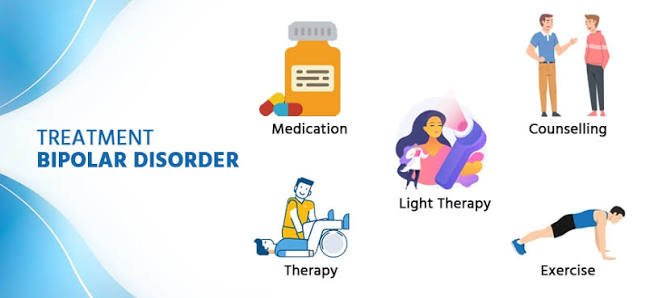
Bipolar disorder is a chronic condition, but it is very treatable. Most people with the disorder can achieve significant stability with the right combination of approaches. Treatment generally falls into three categories: medication, psychotherapy, and lifestyle structure. For most people, all three play some role.
Medication
Mood stabilizers are typically the backbone of pharmacological treatment for bipolar disorder. Lithium has been used for decades and remains one of the most effective options for preventing both manic and depressive recurrence. Anticonvulsants such as valproate and lamotrigine are also commonly used, sometimes alone and sometimes alongside lithium. Atypical antipsychotics have an established role in managing acute manic episodes and, in some cases, for longer-term maintenance. Finding the right medication or combination often takes time and requires close monitoring, particularly for lithium, which requires regular blood tests to ensure safe levels.
Psychotherapy
Several specific therapy approaches have solid evidence supporting their use in bipolar disorder. Cognitive behavioral therapy (CBT) adapted for bipolar disorder helps people identify thought patterns and behaviors that contribute to mood episodes and develop early warning systems for recognizing when a shift is occurring. Psychoeducation, often delivered in group settings, equips people and their families with knowledge about the condition, its patterns, and what to do when warning signs appear. Interpersonal and Social Rhythm Therapy (IPSRT) addresses one of the more underappreciated factors in bipolar stability: the role of daily routines, particularly sleep, in regulating mood. Family-focused therapy is particularly useful when family members are part of the treatment environment and can either support or inadvertently destabilize recovery.
Lifestyle and Behavioral Factors
Sleep is not a side issue in bipolar disorder. It is central. Disrupted sleep is both a trigger for and a symptom of mood episodes, and protecting sleep quality is one of the most evidence-supported behavioral strategies for maintaining stability. Regular exercise has shown modest but real benefits for mood regulation. Alcohol and recreational drug use are significant risks because of how they interact with mood states and medications. Stress management, structured daily routines, and having a clear plan for early intervention when warning signs appear all contribute meaningfully to long-term functioning.
What to Look for When Seeking Care
Getting the right care for bipolar disorder means finding a provider who understands its complexity. A psychiatrist or psychiatric nurse practitioner is usually the best starting point for diagnostic evaluation and medication management, given the nuances involved. Therapists who specialize in mood disorders and have specific training in the evidence-based approaches mentioned above can be invaluable partners in long-term care. For people living in the Pacific Northwest, searching for bipolar disorder treatment in Washington that offers comprehensive, integrated care, meaning both psychiatric and therapeutic services, is worth prioritizing over programs that address only one dimension of the condition.
Questions worth asking any prospective treatment provider include how they approach differential diagnosis, which specific therapy modalities they use, how they involve family members if appropriate, and what their protocol is for managing a crisis or hospitalization if one becomes necessary. These are not unreasonable things to ask. A good provider will welcome them.
Early Warning Signs Worth Knowing
One of the most practical things a person with bipolar disorder can do, alongside their clinical team, is develop a personalized list of early warning signs. These vary from person to person but often include recognizable patterns that precede a full episode by days or even weeks. Common examples include:
- Needing significantly less sleep but not feeling tired
- Increased goal-directed activity or taking on many new projects at once
- Spending more money than usual or making impulsive financial decisions
- Increased irritability or a lower threshold for conflict
- Racing thoughts or difficulty slowing down mentally
- Withdrawing from social contact, losing interest in regular activities
- Increased use of alcohol or substances
- Persistent low energy or feelings of hopelessness lasting more than a few days
Having a written plan that specifies what to do when these signs appear, who to contact, whether that means a therapist, psychiatrist, trusted family member, or crisis line, can significantly reduce the severity and duration of an episode when one is developing. This kind of proactive planning is a standard recommendation in bipolar disorder care and reflects the broader goal of treatment: not just recovering from episodes but reducing how often and how severely they occur over a lifetime.
Bipolar disorder is not a character flaw, a lack of willpower, or simply being “too emotional.” It is a well-documented neurobiological condition with established, effective treatments. The path to stability is rarely linear, and it usually requires patience, ongoing adjustment, and a care team that takes the full picture seriously. But for most people, stability is genuinely achievable, and a functioning, meaningful life is not an unrealistic goal.