

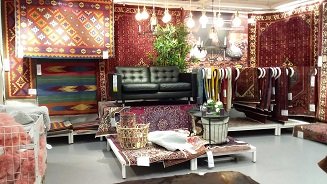
Rugs play a crucial role in the overall aesthetic and functionality of a living room rugs. Beyond mere decoration, they function as a versatile element that can unify various design aspects. A well-chosen rug can act as a focal point, drawing the eye and creating a sense of elegance that enhances the living space.
In addition to their visual appeal, rugs also add texture to a room, contributing to a layered and inviting atmosphere. Different materials, such as wool, cotton, and synthetic fibers, offer various tactile experiences that can make a room feel more comfortable and welcoming. For instance, a plush shag rug can add warmth and coziness, while a flatweave rug can create a more casual and relaxed feel.
Rugs also serve a practical purpose; they help define spaces within an open floor plan and can differentiate between areas, such as the seating and dining zones. By positioning a rug strategically, homeowners can guide the layout of furniture, fostering more cohesive interactions within the living environment. Moreover, the colors and patterns of rugs can significantly affect the mood of a room. Bright, bold designs can energize a space, while soft, muted tones can introduce calmness and tranquility.
Furthermore, rugs can enhance the comfort of a living room by providing a soft surface underfoot, which is especially valuable in homes with hard flooring. The warmth that rugs offer contributes to an inviting atmosphere, making it easier to create a space where family and friends can gather and enjoy each other’s company. Understanding the multifaceted significance of rugs can help homeowners make informed choices that elevate their living space’s aesthetic and functional elements.
Top Rug Styles to Enhance Your Living Room
When it comes to elevating the aesthetic of your living room, the choice of rug can play a pivotal role. Various styles of rugs can transform a space, offering more than just comfort underfoot; they provide a focal point, complement furniture arrangements, and align with your overall decor theme. Here, we explore several popular rug styles that are sure to enhance your living area.
Traditional rugs often feature intricate patterns and rich color palettes, commonly made from natural fibers such as wool or silk. These rugs add a touch of elegance and can effectively anchor a vintage or classic furniture arrangement. Ideal for formal living rooms, traditional rugs blend seamlessly with ornate furnishings, creating a warm and inviting atmosphere.
In contrast, contemporary rugs bring a modern touch, showcasing bold colors and minimalist designs. These rugs are typically made from synthetic fibers, which allow for greater versatility and affordability. Perfect for a minimalist or eclectic decor style, contemporary rugs can harmonize with modern furniture and artistic elements, creating an engaging and stylish living room space.
For those who appreciate a bit of artistic flair, bohemian rugs present an array of vivid colors and patterns. These rugs often combine various textures and styles, making them suitable for more casual or relaxed settings. Bohemian rugs harmonize beautifully with mismatched furniture and an array of décor themes, perfect for showcasing individuality in your living room.
Lastly, the modern farmhouse style, characterized by neutral tones and rustic elements, has gained popularity. Rugs in this category often feature distressed patterns and natural fibers for an inviting and homey feel. They complement farmhouse-inspired decor and pair well with furniture that highlights wooden textures and vintage accents.
By understanding these distinct rug styles, you can select a rug that not only elevates the living room but also enhances your overall decor theme, creating a cohesive and inviting space.
Choosing the Right Material for Your Living Room Rug
The selection of a suitable material for your living room rug is paramount to achieving both aesthetic appeal and functional durability. Different materials offer unique characteristics that can significantly impact your living space’s atmosphere, comfort, and maintenance requirements.
Wool is a popular choice known for its durability and luxurious feel. It is naturally stain-resistant and has excellent insulation properties, making it ideal for high-traffic areas. Wool rugs, however, may require regular professional cleaning to maintain their pristine condition, and they can be warmer underfoot, which may not suit all climates.
Synthetic fibers, such as nylon and polyester, provide a cost-effective alternative. These materials are often more resistant to stains and fading, which caters well to households with pets or children. Additionally, synthetic rugs are generally easier to clean, typically requiring only occasional spot-cleaning to keep their appearance fresh. However, they may lack the warmth and texture provided by natural fibers.
Cotton is another option that combines comfort with practicality. Cotton rugs are typically softer and more lightweight than wool or synthetics. They are machine-washable and therefore easy to maintain, making them excellent for casual living spaces. However, it’s crucial to note that cotton may not be as durable as other materials, and it can wear out more quickly in high-traffic areas.
Finally, jute rugs bring a natural, earthy element to the living room. Made from plant fibers, they have a rustic charm and are eco-friendly. Jute is sturdy but may not be as comfortable underfoot as other options. It also tends to absorb moisture, making it less ideal for humid environments. When choosing a rug material, consider your lifestyle, budget constraints, and the overall atmosphere you wish to create in your living room. By aligning these factors, you can select a rug material that enhances your space while meeting functional needs.
Maintenance Tips for Keeping Your Living Room Rug Looking New
Maintaining the beauty and longevity of your living room rug is essential for preserving its aesthetic appeal. Different types of rugs require specific care techniques, but there are universal practices that can significantly enhance their lifespan. Regular cleaning is fundamental; vacuuming your rug at least once a week helps to remove dust, dirt, and debris that can cause wear over time. For shag or pile rugs, utilizing a vacuum with a beater bar can be efficient, while more delicate fabric types call for careful suction settings.
Accidental spills are inevitable, and managing them promptly is key to preventing stains. For most rugs, it’s advisable to blot spills with a clean, absorbent cloth, working from the outside of the stain inward. Avoid rubbing, as this can push the substance further into the fibers. For stubborn stains, consider using a mixture of mild detergent and water or a specialized carpet cleaner, ensuring you test any solution on a hidden area first.
To protect your rug from general wear and tear, consider placing it in a low-traffic area or using furniture coasters. Additionally, rotating your rug every few months can prevent uneven fading and wear, especially in spaces where sunlight is abundant. Positioning your rug away from direct sunlight will safeguard it from color deterioration caused by prolonged exposure. Applying a rug pad underneath can help cushion the rug, providing extra grip and reducing the chances of slipping.
Ultimately, a proactive approach to rug maintenance translates into lasting beauty and functionality. By establishing a routine cleaning schedule and addressing stains promptly, you can keep your living room rug looking new and vibrant for years to come.