

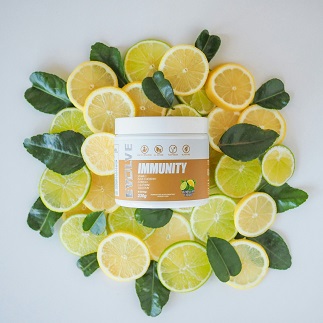
Introduction to Immunity and Nutrition
The human immune system serves as a vital defense against pathogens, including viruses and bacteria. It is a complex network of cells, tissues, and organs that work in unison to protect the body from infections and diseases. A robust immune system is essential for maintaining health and preventing chronic illnesses. A variety of factors influence immune function, and among these, nutrition plays a pivotal role.
Nutrition significantly impacts the body’s ability to mount an effective immune response. Essential nutrients, such as vitamins and minerals, are integral to the development and functioning of immune cells. For example, vitamin C is known for its role in enhancing the production of white blood cells, which are crucial for fighting infections. Similarly, vitamin D supports the pathogen-fighting effects of monocytes and macrophages—white blood cells that are vital to the immune response.
Moreover, a balanced diet rich in antioxidants helps reduce oxidative stress, which can undermine immune function. Foods such as fruits, vegetables, nuts, and seeds provide phytochemicals that bolster the body’s defenses. Incorporating a variety of these nutrient-dense foods not only fortifies immunity but also promotes overall health and well-being.
As we delve deeper into this topic, it is essential to underscore that consuming the right foods can enhance the immune system significantly. By focusing on a well-rounded diet that emphasizes key vitamins, minerals, and other nutrients, individuals can strengthen their body’s natural defenses. The following sections will explore specific foods known to support immunity and offer practical guidance on integrating them into daily nutrition.
Understanding the Immune System
The immune system is a complex network designed to safeguard the body against pathogens, including viruses, bacteria, and other foreign invaders. Its functionality is crucial in maintaining overall health, and various components work collaboratively to protect the body. Key players in this system include white blood cells, antibodies, and the gut microbiome, among others.
White blood cells, or leukocytes, serve as the body’s primary defense mechanism. They are broadly categorized into different types, including lymphocytes, neutrophils, and monocytes. Each of these cells plays a specialized role in identifying and neutralizing threats. Lymphocytes, for instance, are responsible for the adaptive immune response, wherein they remember specific pathogens for quicker reactions in subsequent encounters.
Antibodies, which are produced by specific types of lymphocytes known as B cells, are proteins that specifically target and bind to pathogens, marking them for destruction by other immune system components. This targeted response is essential for long-term immunity, as it helps the body recognize and combat specific infections more effectively.
The gut microbiome also plays a significant role in immune health. Composed of a diverse array of microorganisms residing in the digestive tract, the gut microbiome contributes to the immune system’s development and function. A balanced microbiome is crucial, as it can influence the body’s immune responses and help prevent autoimmune diseases.
Nutrition plays a vital role in supporting a well-functioning immune system. Essential nutrients found in a variety of foods, including vitamins, minerals, and antioxidants, are necessary for the production and regulation of immune cells. A diet rich in fruits, vegetables, whole grains, and lean proteins can significantly enhance immune capabilities, promoting resilience against infections and diseases.
Vitamin C-Rich Foods
Vitamin C is a crucial nutrient that plays a significant role in supporting the immune system. This vitamin assists in the production of white blood cells, which are essential for fighting off infections. Additionally, vitamin C is an antioxidant that helps protect the body from oxidative stress and enhances the skin’s barrier function, further contributing to immune defense. Incorporating foods rich in vitamin C into your diet can help fortify your immune response.
Some of the best sources of vitamin C include citrus fruits such as oranges, lemons, and grapefruits. These fruits are not only delicious but also provide a substantial amount of vitamin C. For instance, one medium orange contains approximately 70 mg of this vital nutrient, which accounts for a significant portion of the daily recommended intake.
Aside from citrus fruits, various berries, including strawberries, blueberries, and raspberries, are excellent sources of vitamin C. A cup of strawberries contains about 85 mg of vitamin C, making them an excellent choice for those looking to boost their immune function while enjoying a sweet treat. Moreover, these berries are packed with other antioxidants that can further support overall health.
Bell peppers are another fantastic source of vitamin C, often surpassing even citrus fruits in their vitamin C content. A single medium bell pepper can provide more than 100 mg of vitamin C. This versatility allows bell peppers to be easily incorporated into a variety of dishes, from salads to stir-fries, making a delicious addition to meals while enhancing nutrient intake.
Incorporating a variety of these vitamin C-rich foods into your daily diet can significantly benefit your immune system. Their health benefits, together with their delicious flavors, provide an effective and enjoyable way to strengthen your body’s natural defenses.
The Role of Zinc in Immune Health
Zinc is a vital trace mineral that plays a critical role in the proper functioning of the immune system. It contributes to various immune processes, such as the development and activation of T-lymphocytes, which are essential for adaptive immunity, as well as the functioning of natural killer cells that form part of the innate immune response. A deficiency in zinc can lead to a weakened immune defense, increasing susceptibility to infections and delaying recovery times.
Foods rich in zinc are essential for maintaining optimal immune health. Notably, pumpkin seeds are a fantastic source of zinc, making them an excellent addition to the diet. Just a handful can provide a significant portion of the daily recommended intake. Spinach also contains considerable amounts of zinc, alongside other beneficial vitamins and minerals. Incorporating legumes, such as chickpeas, lentils, and beans, can further enhance zinc intake, as these foods not only provide zinc but also offer protein and dietary fiber, supporting overall nutrition.
Individuals who may be at greater risk for zinc deficiency include vegetarians, pregnant individuals, and those with certain gastrointestinal disorders affecting zinc absorption. Symptoms of zinc deficiency can manifest as impaired immune function, increased risk of infection, and slower wound healing. Therefore, it is crucial to ensure adequate zinc intake from dietary sources or consider supplementation if necessary, following professional advice.
In summary, maintaining appropriate zinc levels is essential for robust immune health, and incorporating zinc-rich foods such as pumpkin seeds, spinach, and legumes can help support immune function effectively.
Antioxidants and Their Impact
Antioxidants are essential compounds that play a critical role in promoting health and well-being, particularly by combating oxidative stress in the body. Oxidative stress occurs when there is an imbalance between free radicals, which can cause damage to cells, and antioxidants, which help neutralize these free radicals. A robust immune system is vital for maintaining overall health, and antioxidants are key players in supporting this system.
Several foods are known for their high antioxidant content, making them beneficial for immune support. Among the most notable are berries—such as blueberries, strawberries, and blackberries. These fruits are rich in vitamin C and flavonoids, compounds that not only enhance the immune response but also protect against cellular damage. Consuming a variety of berries regularly can help ensure an adequate intake of these essential nutrients.
Nuts, particularly walnuts and almonds, are another excellent source of antioxidants. They contain vitamin E and other important phytochemicals that can protect cells from oxidative damage. Incorporating a handful of nuts into one’s daily diet may contribute to improved immune functions and overall health.
Dark chocolate, with its high cocoa content, is also noteworthy for its rich supply of antioxidants known as polyphenols. Research suggests that dark chocolate can enhance immune response when consumed in moderation. It not only offers a delicious treat but also serves as a functional food, providing heart health benefits alongside its immune-boosting properties.
Overall, incorporating antioxidant-rich foods into the diet can significantly support immune health. Regularly consuming berries, nuts, and dark chocolate can help mitigate oxidative stress in the body, ultimately leading to a stronger immune system. As part of a balanced diet, these foods highlight the importance of nutrient variety in fostering a resilient immune system.
Fermented Foods for Gut Health
Maintaining a healthy gut is pivotal for supporting the immune system. The gut is home to trillions of microorganisms, collectively known as the gut microbiota, which play a significant role in immune function. Balanced gut health promotes the production of beneficial compounds that strengthen the body’s defenses against pathogens. Among the beneficial elements enhancing gut health are probiotics and prebiotics, which are abundant in fermented foods.
Probiotics are live microorganisms found in fermented foods that confer health benefits to the host when consumed in adequate amounts. These beneficial bacteria help to restore and maintain a healthy gut microbiota, which can be compromised by factors like poor diet, stress, and antibiotic use. Foods such as yogurt, sauerkraut, and kimchi are excellent sources of probiotics. Yogurt, made from fermented milk, contains live cultures that contribute to digestive health and can also enhance immune responses.
Fermented vegetables like sauerkraut and kimchi provide not only probiotics but also essential vitamins and fibers. These foods are prepared through the fermentation process, which increases their nutrient density and bioavailability. The fermentation breaks down sugars and enhances the absorption of vitamins while fostering a healthy gut environment. In addition to probiotics, these foods are rich in prebiotics—substances that nourish beneficial bacteria vital for maintaining gut health.
Incorporating fermented foods into one’s diet can significantly promote a healthy gut microbiota, which is directly linked to improved immunity. As gut health is fundamental for overall well-being, prioritizing the consumption of probiotic-rich and prebiotic-laden foods can enhance one’s immune function and resilience to infections.
Omega-3 Fatty Acids and Inflammation
Omega-3 fatty acids are essential nutrients that play a critical role in reducing inflammation and supporting the immune system. These beneficial fats are primarily found in certain types of fish, as well as plant-based sources. Incorporating omega-3 fatty acids into one’s diet can have significant health implications, particularly in the context of bolstering immunity.
Fatty fish, such as salmon, mackerel, and sardines, are well-known sources of omega-3 fatty acids, specifically eicosapentaenoic acid (EPA) and docosahexaenoic acid (DHA). Regular consumption of these fish can lead to a reduction in inflammatory markers in the body, which is essential for maintaining optimal immune function. Beyond fish, omega-3s can also be obtained from plant-based sources, including flax seeds, chia seeds, and walnuts. These sources provide alpha-linolenic acid (ALA), which the body can convert into EPA and DHA, although the conversion rate is relatively low.
Incorporating omega-3 fatty acids into the daily diet not only helps to decrease inflammation but also supports overall immune activity. Studies have shown that omega-3s can enhance the function of immune cells, thereby improving the body’s ability to respond to pathogens. For individuals looking to improve their diet for better immune health, including a variety of omega-3 sources—both animal and plant-based—could be beneficial.
Eating omega-3-rich foods regularly can also provide additional health benefits, such as improving heart health and supporting cognitive function. Therefore, ensuring that these nutrients are part of the daily diet is essential for those seeking to strengthen their immune system and reduce inflammation.
Herbs and Spices that Boost Immunity
Herbs and spices are an integral part of many cuisines around the world, and they also offer a wealth of health benefits, particularly for the immune system. Incorporating herbs and spices into your diet can enhance the body’s natural defenses against illnesses, thanks to their rich profiles of bioactive compounds.
One of the most celebrated herbs for immunity is turmeric. This yellow spice contains curcumin, a powerful anti-inflammatory and antioxidant compound, which can modulate the immune response. Studies suggest that curcumin can help prevent chronic inflammation and support the body’s defense mechanisms, further establishing turmeric as a staple for those seeking to strengthen their immunity.
Ginger is another spice renowned for its health-promoting properties. The phenolic compounds in ginger, such as gingerol and shogaol, have been shown to possess anti-inflammatory effects. Consuming ginger may help boost the immune system by reducing oxidative stress and inflammation, ultimately supporting overall health.
Garlic, often celebrated for its culinary versatility, is yet another potent ally in the quest for better immunity. It contains allicin, a compound known for its antimicrobial and immune-enhancing properties. Regular consumption of garlic can increase the number of immune cells like lymphocytes and macrophages, which help the body fend off infections more effectively.
Other herbs and spices worth mentioning include oregano, which is high in antioxidants and can support respiratory health, and elderberry, known for its potential to reduce the duration of cold and flu symptoms.
Including a variety of these herbs and spices in your daily meals not only enhances flavor but can provide significant benefits for your immune system as well. By making conscious choices to incorporate these ingredients, you can actively support your body in its fight against illnesses.
Creating a Balanced Immune-Boosting Diet
To effectively strengthen immunity through diet, it is essential to create a balanced immune-boosting meal plan. This entails thoughtfully incorporating a variety of nutrient-rich foods that can enhance the body’s defense mechanisms. Start by considering the macronutrients: proteins, carbohydrates, and fats. A diet rich in lean proteins, such as chicken, fish, legumes, and nuts, provides essential amino acids that aid in the production of antibodies and immune cells.
In addition to proteins, ensure that your meals include a wide range of colorful fruits and vegetables. These food groups are rich in vitamins, particularly vitamins C and E, and antioxidants that combat oxidative stress. Incorporating dark leafy greens like spinach and kale, as well as citrus fruits like oranges and grapefruits, can significantly contribute to overall health. Aim for at least five servings of fruits and vegetables daily to maximize their immune-boosting benefits.
Healthy fats, predominant in avocados, olive oil, and fatty fish, should not be overlooked as they also play a crucial role in immune function. These fats are essential for hormone regulation and cellular structure, contributing to a well-rounded diet. Whole grains, such as brown rice and quinoa, provide fiber and complex carbohydrates that promote gut health, which is intricately connected to the immune system.
Meal planning is a vital facet of maintaining this balanced diet. Design weekly menus that showcase a variety of the above food groups. For instance, plan for grilled salmon with steamed broccoli and quinoa for dinner, or a hearty chickpea salad with mixed greens for lunch. Healthful snacks like a bowl of mixed nuts or yogurt with fresh berries can also serve as immune boosters throughout the day. By thoughtfully organizing meals and snacks, you can sustain a balanced diet that consistently supports immune function and overall health.