
Most people know that drinking too much is bad for you. But knowing something in the abstract and understanding what is actually happening inside your brain and body are two very different things. The science of alcohol’s effects is surprisingly specific, and understanding it can change the way you think about drinking, dependence, and recovery.
This article walks through what alcohol does at the cellular level, how the brain adapts to regular drinking, which organs take the heaviest damage, and why quitting without medical support can become genuinely life-threatening. Whether you are curious about your own habits or trying to understand what a loved one is going through, the information here is grounded in current research.
What Happens in the Brain When You Drink
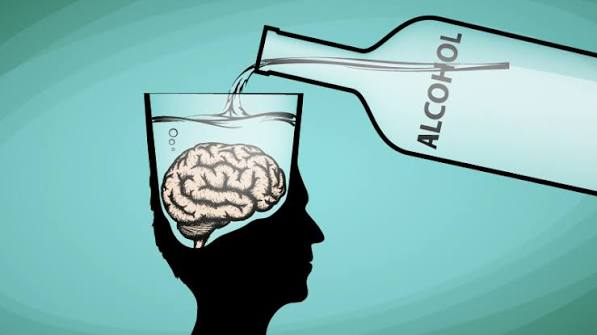
Alcohol is a central nervous system depressant. That sounds straightforward, but the underlying chemistry is layered. When alcohol enters the bloodstream and crosses the blood-brain barrier, it primarily works by enhancing the activity of gamma-aminobutyric acid, or GABA, which is the brain’s main inhibitory neurotransmitter. At the same time, alcohol suppresses glutamate, the main excitatory neurotransmitter. The result is the familiar feeling of relaxation, slowed thinking, reduced coordination, and lowered inhibitions.
Alcohol also floods the brain’s reward circuit with dopamine, particularly in an area called the nucleus accumbens. This dopamine release is what creates the pleasurable sensation associated with drinking. Over time, the brain starts to associate drinking with that reward signal. The more often this happens, the more the brain begins to restructure itself around the expectation of alcohol.
How the Brain Adapts to Regular Drinking
Repeated exposure to alcohol forces the brain to compensate. Because alcohol artificially inflates GABA activity and suppresses glutamate, the brain responds by downregulating GABA receptors and upregulating glutamate receptors. In plain language, the brain becomes wired for a higher baseline of stimulation. This is neuroadaptation, and it is the biological foundation of tolerance and physical dependence.
Once this adaptation has taken hold, the person needs alcohol just to feel normal. Without it, the brain is suddenly left in a hyperexcited state. Glutamate activity surges. This is why alcohol withdrawal can produce anxiety, tremors, elevated heart rate, and, in severe cases, seizures and a condition called delirium tremens. The brain is not simply craving a substance; it is struggling to regulate its own electrical activity.
The Danger Zone: Alcohol Withdrawal Symptoms
Alcohol withdrawal is one of the few substance withdrawal syndromes that can be directly fatal. Opioid withdrawal, while intensely uncomfortable, rarely causes death on its own. Alcohol withdrawal, by contrast, can trigger seizures and cardiovascular collapse in people who have been drinking heavily for extended periods.
Symptoms typically unfold in stages over 24 to 72 hours after the last drink, though the timeline varies based on how long and how heavily the person has been drinking.
| Timeframe After Last Drink | Common Symptoms | Severity Level |
| 6 to 12 hours | Anxiety, headache, nausea, shaking, sweating | Mild to moderate |
| 12 to 24 hours | Disorientation, elevated blood pressure, mild hallucinations | Moderate |
| 24 to 48 hours | Seizures (in at-risk individuals) | Severe |
| 48 to 72 hours | Delirium tremens: confusion, fever, rapid heart rate, severe tremors | Potentially life-threatening |
According to the New England Journal of Medicine, delirium tremens occurs in roughly 3 to 5 percent of people experiencing alcohol withdrawal, and without treatment, the mortality rate from delirium tremens historically reached as high as 37 percent. With proper medical management, that rate drops below 5 percent. These numbers make a compelling case for supervised medical detox rather than attempting to stop drinking cold turkey at home.
Organ Damage from Chronic Alcohol Use
The brain gets a lot of attention, but alcohol touches nearly every system in the body. The damage accumulates quietly, often without obvious symptoms until it has progressed significantly.
The Liver
The liver is responsible for metabolizing roughly 90 percent of the alcohol a person consumes. It does this by converting alcohol into acetaldehyde, a toxic compound, and then breaking that down further. When alcohol consumption outpaces the liver’s processing capacity, acetaldehyde accumulates and causes cellular damage. Over time, this leads to a predictable progression: fatty liver disease, then alcoholic hepatitis, and potentially cirrhosis. The National Institute on Alcohol Abuse and Alcoholism reports that alcohol-related liver disease is a leading cause of preventable liver failure in the United States.
The Heart
Heavy drinking weakens the heart muscle, a condition called alcoholic cardiomyopathy. It also raises the risk of irregular heart rhythms, including atrial fibrillation. Long-term heavy drinkers face elevated rates of high blood pressure, stroke, and sudden cardiac events. Even moderate drinking that becomes habitual can raise blood pressure enough to increase cardiovascular risk over a lifetime.
The Nervous System and Cognition
Chronic alcohol use shrinks the brain. Neuroimaging studies show measurable reductions in gray matter volume among long-term heavy drinkers, particularly in the prefrontal cortex, which governs decision-making, impulse control, and emotional regulation. Thiamine deficiency, common in people with alcohol use disorder because alcohol impairs thiamine absorption, can cause Wernicke-Korsakoff syndrome, a serious neurological disorder characterized by severe memory loss and confusion.
Understanding Alcohol Use Disorder as a Medical Condition
There is still a cultural tendency to frame alcohol dependence as a failure of willpower. The science does not support that framing. Alcohol use disorder is classified as a chronic brain disorder in the Diagnostic and Statistical Manual of Mental Disorders (DSM-5). It involves measurable changes in brain structure and function, genetic components that influence vulnerability, and psychological factors that interact with the neurological ones.
The criteria for diagnosis include things like continued use despite clear negative consequences, inability to control intake even when genuinely wanting to, and spending large amounts of time obtaining, using, or recovering from alcohol. Tolerance and withdrawal are specifically listed as physiological indicators. Recognizing these as medical symptoms, rather than character flaws, changes how treatment is approached and what actually works.
Someone entering a structured alcoholism treatment program typically begins with medically supervised detoxification, which addresses the neurological crisis of withdrawal safely, followed by therapy, behavioral support, and longer-term relapse prevention strategies. The medical component is not a luxury; for many people, it is what makes recovery possible at all.
What the Research Says About Recovery
Recovery from alcohol use disorder is genuinely possible, and the research on long-term outcomes is more encouraging than many people realize. The brain retains considerable neuroplasticity. Studies tracking people in sustained sobriety show measurable recovery of gray matter volume, improved executive function, and restoration of dopamine receptor density over months and years of abstinence.
Several factors are consistently associated with better outcomes across research literature.
- Medically managed detox that addresses withdrawal safely and completely
- Engagement in behavioral therapy, particularly cognitive behavioral therapy and motivational enhancement therapy
- Social support, including peer recovery networks and family involvement
- Treatment of co-occurring mental health conditions such as depression or anxiety
- Medication-assisted treatment when appropriate, including FDA-approved options like naltrexone, acamprosate, and disulfiram
- Continuity of care, meaning ongoing support rather than a single treatment episode
One of the most important findings in addiction research is that longer engagement with treatment consistently predicts better outcomes. A 30-day program produces different results than a 90-day program for most people. This does not mean shorter programs have no value; it means that the intensity and duration of support should be matched to the severity of the disorder.
When to Take Alcohol Use Seriously
There is no bright line between heavy social drinking and the early stages of alcohol use disorder. The progression can be gradual, which is part of what makes it difficult to recognize. Some patterns worth paying attention to include drinking to manage stress or emotional discomfort consistently, finding that the amount needed to feel the same effect keeps increasing, feeling physically unwell the morning after and relieving that with another drink, or having genuine intentions to cut back and repeatedly failing to do so.
None of those experiences alone confirms a diagnosis. But they are signals worth taking seriously, because the neurological and physiological changes described throughout this article do not wait for a formal diagnosis before they begin.
Alcohol’s effects on the brain and body are cumulative and, in many ways, predictable. The good news is that the same biological systems that make alcohol so damaging are also capable of significant healing when given the right conditions. Understanding the mechanics is a reasonable first step toward making informed decisions, whether for yourself or for someone you care about.