

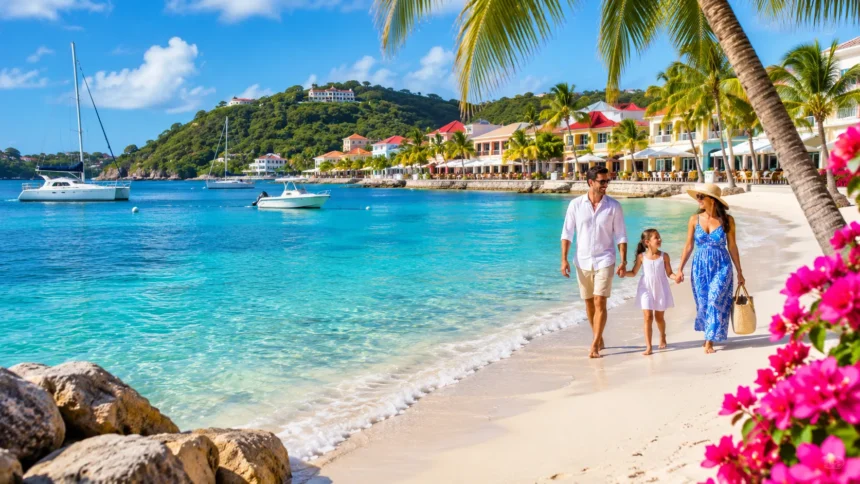
Imagine spending months saving for your dream Caribbean vacation. You have found beautiful beaches, comfortable hotels, and exciting places to explore. But after reading conflicting safety information online, you begin questioning which destination to choose.
Finding the safest Caribbean islands doesn’t have to make vacation planning stressful. Several destinations have favorable travel advisories, established tourism facilities, and plenty of opportunities for relaxation.
However, safety involves more than crime rates. Weather conditions, healthcare access, transportation, and beach safety also matter. This guide explores ten Caribbean destinations and practical precautions to help you plan a more confident and enjoyable vacation.
What Makes a Caribbean Island Safe for Travelers?
Beautiful photographs cannot tell you everything about a destination. An island may have incredible beaches while presenting challenges involving healthcare access, road conditions, or seasonal weather.
When comparing Caribbean destinations, consider current government travel advisories, accommodation security, transportation options, and emergency services. These factors provide a more complete understanding of travel safety.
The destinations featured below held Level 1 U.S. travel advisories as of November 2026, meaning travelers should follow normal safety precautions. They are not ranked by crime rates, and no destination is completely risk-free.
1. Aruba – A Convenient Destination for First-Time Visitors
Planning your first Caribbean vacation can feel overwhelming, especially when you are unfamiliar with local transportation and accommodation options. Aruba offers established tourism facilities that can simplify many aspects of vacation planning.
Located in the southern Caribbean, Aruba is known for Eagle Beach, Palm Beach, and its relatively dry climate. Its position near the southern edge of the main hurricane belt also makes direct hurricane impacts less common.
Visitors can explore cultural attractions, enjoy coastal scenery, and experience the island’s natural landscapes. However, strong sunlight, ocean currents, and theft from unattended belongings remain important considerations.
Choose accommodation with reliable security, arrange transportation in advance, and follow local beach warnings. Aruba is a reasonable starting point for travelers seeking a straightforward Caribbean vacation.
2. Grand Cayman – A Practical Choice for Families
Traveling with children often introduces additional concerns. Parents want comfortable accommodation, reliable transportation, suitable beaches, and access to healthcare when necessary.
Grand Cayman is the largest of the Cayman Islands and features established tourism infrastructure. Seven Mile Beach, George Town, and waterfront attractions make it a popular family vacation destination.
The island offers various accommodation options, restaurants, and organized sightseeing opportunities. Nevertheless, emergency medical access can be more challenging in offshore locations and certain recreational areas.
Families should choose supervised swimming areas where available and check medical insurance coverage before traveling. These preparations can make a significant difference when unexpected situations arise.
3. Anguilla – A Quiet Island for Relaxing Vacations
Not everyone enjoys crowded beaches and busy tourist districts. Some travelers prefer peaceful surroundings where they can spend time outdoors without following a demanding itinerary.
Anguilla is known for its white-sand beaches, small communities, and comparatively relaxed atmosphere. Shoal Bay East and Meads Bay are among its well-known coastal destinations.
The island’s smaller size can make vacation planning feel more manageable. However, limited specialist healthcare and transportation disruptions can create challenges during emergencies.
Research accommodation locations carefully and arrange reliable airport or ferry transfers. Travel insurance that includes emergency medical evacuation is particularly worth considering when visiting smaller islands.
4. Barbados – A Blend of Culture and Beach Experiences
Choosing between a cultural vacation and a relaxing beach getaway can be difficult. Barbados provides opportunities to experience both within a relatively compact destination.
The island features historic Bridgetown, botanical gardens, coastal scenery, and local food traditions. Visitors can learn about Caribbean history while enjoying outdoor attractions and established tourism facilities.
Although Barbados has a favorable travel advisory, petty theft and other crimes can still occur. Ocean conditions also vary considerably between different sections of the coastline.
Choose beaches with suitable swimming conditions, avoid leaving belongings unattended, and use reputable transportation providers. These simple precautions support a more comfortable travel experience.
5. Bonaire – A Peaceful Destination for Nature Lovers
Travelers interested in nature sometimes struggle to find destinations that balance outdoor experiences with convenient facilities. Bonaire provides a quieter alternative to some larger Caribbean tourism centers.
Part of the Dutch Caribbean, Bonaire is recognized for its marine environment, protected natural areas, and coastal landscapes. Washington Slagbaai National Park also provides opportunities to appreciate the island’s distinctive scenery.
Its southern location means direct hurricane strikes are relatively uncommon. However, tropical weather systems can still affect rainfall, wind conditions, and surrounding waters.
Visitors should respect environmental regulations, check local weather conditions, and avoid entering unfamiliar waters without appropriate supervision. Planning around daylight hours can also simplify transportation and sightseeing.
6. Curaçao – A Colorful Island With Cultural Attractions
Some Caribbean destinations are primarily associated with beaches. Travelers who want architectural attractions, museums, and cultural experiences may prefer an island offering greater variety.
Curaçao is known for Willemstad’s colorful waterfront buildings, historic neighborhoods, and cultural heritage. Its beaches and distinctive architecture provide several options for a balanced vacation.
Like Aruba and Bonaire, Curaçao experiences fewer direct hurricane impacts than many destinations farther north. Nevertheless, tropical storms can still cause heavy rainfall, rough seas, and travel disruptions.
Stay in well-reviewed accommodation, use reliable transportation, and remain aware of your surroundings. Avoid leaving valuables visible inside rental vehicles, even when visiting popular attractions.
7. Antigua – A Beach Destination With Established Tourism
Beach vacations can become frustrating when accommodation, transportation, and recreational activities require complicated arrangements. Antigua offers various tourism facilities that can help simplify the planning process.
The island is part of Antigua and Barbuda and features numerous beaches, historical attractions, and coastal communities. Nelson’s Dockyard provides an opportunity to explore the region’s maritime heritage.
While many visitors enjoy peaceful vacations, ordinary safety concerns still apply. Unattended belongings, isolated locations, and changing marine conditions require appropriate attention.
Research accommodation reviews and confirm transportation arrangements before arrival. Selecting beaches with suitable facilities can be particularly helpful when traveling with children or older family members.
8. British Virgin Islands – A Scenic Island Escape
Visiting multiple islands may sound exciting, but transportation between destinations can introduce additional uncertainty. The British Virgin Islands require careful planning around ferry schedules, weather, and accommodation locations.
Tortola and Virgin Gorda are among the territory’s best-known islands. Their coastal landscapes, natural formations, and small communities provide a different experience from larger commercial destinations.
Healthcare facilities and emergency transportation options vary between islands. Weather disruptions can also affect ferry services, making flexible travel arrangements especially important.
Before traveling, confirm your transportation schedule and understand how to access medical assistance. Leave sufficient time between ferry journeys and international flights to accommodate possible delays.
9. Saint Kitts and Nevis – A Destination for History and Nature
Some travelers want to enjoy Caribbean scenery without spending their entire vacation at a beach resort. Saint Kitts and Nevis combines historical attractions with natural landscapes and coastal communities.
Visitors can explore colonial-era architecture, botanical surroundings, and Brimstone Hill Fortress National Park. The two-island country offers opportunities to learn about the region’s complex history.
However, remote locations may have limited facilities, and road conditions can differ from what international visitors expect. Seasonal storms can also affect transportation and outdoor plans.
Arrange transportation through reputable providers and check local conditions before visiting less-developed areas. A flexible itinerary can reduce unnecessary stress when plans need to change.
10. Dominica – A Caribbean Island Rich in Natural Beauty
Travelers sometimes confuse Dominica with the Dominican Republic. These are separate countries with different tourism experiences, geographical characteristics, and travel advisories.
Dominica is known for its mountainous landscapes, tropical forests, waterfalls, and geothermal features. It appeals to travelers who enjoy learning about nature and experiencing quieter surroundings.
However, mountainous terrain and heavy rainfall can create transportation difficulties. Remote natural attractions may also be far from emergency medical facilities.
Choose established attractions, follow local weather warnings, and avoid unfamiliar or closed trails. Dominica demonstrates why natural beauty and favorable travel advisories should always be considered alongside practical environmental risks.
Comparing the Safest Caribbean Islands to Visit
With so many beautiful destinations available, choosing just one can be challenging. Comparing islands according to your travel preferences can make the decision easier.
The following table highlights each destination’s main attractions and important safety considerations.
| Caribbean Destination | Best Suited For | Safety Consideration |
|---|---|---|
| Aruba | First-time visitors | Sun exposure and ocean currents |
| Grand Cayman | Family vacations | Water safety |
| Anguilla | Quiet getaways | Limited specialist healthcare |
| Barbados | Culture and beaches | Coastal conditions and theft |
| Bonaire | Nature enthusiasts | Sun exposure and marine conditions |
| Curaçao | History and architecture | Vehicle break-ins |
| Antigua | Beach vacations | Seasonal storms |
| British Virgin Islands | Island scenery | Ferry disruptions |
| Saint Kitts and Nevis | Historical attractions | Road conditions |
| Dominica | Nature-focused vacations | Heavy rainfall and remote terrain |
There is no single destination that suits every traveler. Your ideal choice depends on your budget, travel companions, healthcare requirements, preferred activities, and vacation dates.
Safest Caribbean Islands for Families
Parents often prioritize safety differently from other travelers. Convenient healthcare, comfortable accommodation, suitable swimming areas, and reliable transportation become particularly important when children are involved.
Aruba, Grand Cayman, and Barbados are worth considering because of their established tourism facilities. However, families should evaluate individual accommodation locations rather than assuming every neighborhood or beach offers identical conditions.
Before booking a family vacation, check the following:
- Distance from medical facilities.
- Availability of supervised swimming areas.
- Accommodation security and child-friendly facilities.
- Reliable airport transportation.
- Travel insurance coverage for every family member.
Preparing these details before departure can make family vacations more manageable. It also allows parents to spend less time dealing with unexpected problems during their trip.
Safest Caribbean Islands for Solo Travelers
Traveling alone can provide greater flexibility, but it also means handling unexpected situations without a familiar companion. Choosing a destination with established transportation and tourism services can help reduce uncertainty.
Aruba, Curaçao, and Barbados provide several options for organized sightseeing and accommodation near established visitor areas. Adult solo travelers should still remain aware of local conditions and personal security concerns.
Share your itinerary with someone you trust, arrange transportation before arriving, and avoid isolated areas after dark. Younger travelers should plan international trips with a parent or responsible adult.
Which Caribbean Islands Have Lower Hurricane Risks?
Hurricanes are a major concern for people planning tropical vacations. Severe weather can disrupt flights, damage infrastructure, and affect accommodation availability.
The Atlantic hurricane season officially runs from June 1 to November 30. Aruba, Bonaire, and Curaçao lie near the southern edge of the main hurricane belt and generally experience fewer direct hurricane impacts.
However, none of these islands is completely protected from tropical storms. Check weather forecasts before departure and understand your accommodation’s cancellation policies.
When Is the Best Time to Visit the Caribbean?
Choosing the wrong travel dates can lead to unexpected rainfall, transportation problems, or limited outdoor activities. Understanding seasonal conditions helps travelers create more realistic vacation plans.
December through April generally provides drier conditions across many Caribbean destinations. However, this period often coincides with higher accommodation prices and increased visitor numbers.
Traveling between June and November requires greater attention to tropical weather forecasts. Flexible reservations and appropriate travel insurance can help manage potential disruptions.
Essential Caribbean Travel Safety Tips
Even destinations with favorable travel advisories require sensible precautions. Becoming overly confident in an unfamiliar environment can create avoidable problems.
Before and during your vacation, follow these practical safety recommendations:
- Review current government travel advisories.
- Choose accommodation with reliable security.
- Keep passports and important documents secure.
- Use reputable transportation providers.
- Follow local swimming and weather warnings.
- Protect yourself from mosquito bites and excessive sunlight.
- Purchase suitable travel and medical insurance.
- Keep emergency contact information accessible.
These precautions are useful regardless of your destination. They can help you respond more effectively when unexpected situations arise.
How to Choose the Right Caribbean Island for Your Trip
Reading numerous travel guides can sometimes make decision-making more difficult. Every destination offers different advantages, and trying to compare everything simultaneously can become overwhelming.
Start by identifying your main priorities. Are you looking for convenient family facilities, peaceful beaches, historical attractions, or opportunities to experience nature?
Next, compare transportation, healthcare access, accommodation costs, and seasonal weather. Check the latest travel advisory before making any final reservations.
Choosing an island that matches your individual requirements is more useful than relying entirely on general safety rankings.
Conclusion
Finding the safest Caribbean islands involves more than choosing a destination with beautiful beaches. Healthcare access, transportation, weather conditions, and current travel advisories all contribute to a well-planned vacation.
Aruba, Grand Cayman, Barbados, Anguilla, and other destinations featured in this guide offer different experiences. Understanding their individual characteristics helps you choose an island that matches your preferences and practical requirements.
Start by shortlisting three destinations, comparing their facilities, and reviewing updated safety information. With thoughtful preparation and sensible precautions, you can approach your Caribbean vacation with greater confidence.
Frequently Asked Questions
What is the safest Caribbean island to visit?
Aruba, Grand Cayman, Anguilla, and several other Caribbean destinations hold favorable travel advisories. However, there is no universally safest island because risks vary by location, season, and individual circumstances.
Which Caribbean islands are safest for families?
Aruba, Grand Cayman, and Barbados are worth considering for their established tourism facilities. Families should also evaluate healthcare access, accommodation security, transportation, and swimming conditions before booking.
Which Caribbean islands have the lowest hurricane risk?
Aruba, Bonaire, and Curaçao generally experience fewer direct hurricane impacts because of their southern locations. However, tropical storms can still affect these islands, particularly during the Atlantic hurricane season.
Is the Caribbean safe for solo travelers?
Many Caribbean destinations can be suitable for adult solo travelers who follow sensible precautions. Choosing established visitor areas, arranging reliable transportation, and checking current travel advisories can help reduce risks.
Do I need travel insurance for a Caribbean vacation?
Travel insurance is strongly recommended. Depending on the policy, it can help cover medical emergencies, evacuation expenses, trip cancellations, and unexpected travel disruptions. Always review coverage limits and exclusions before purchasing.