

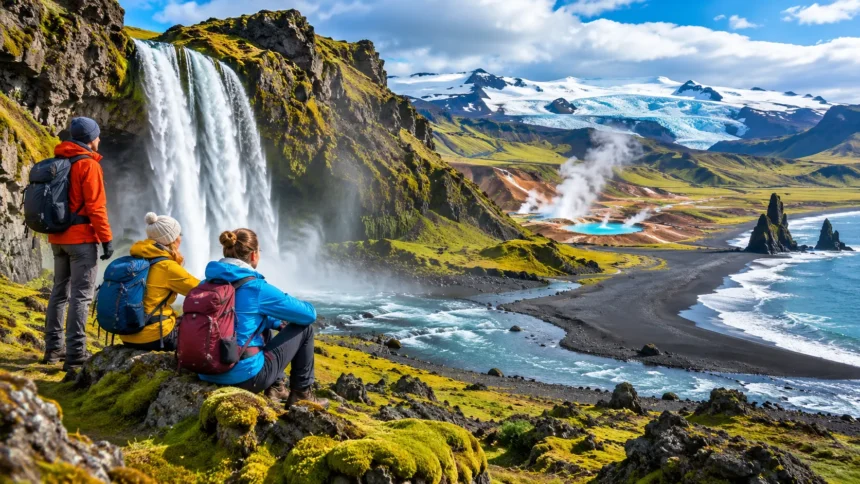
Iceland is one of the most extraordinary travel destinations in the world, known for its dramatic waterfalls, powerful volcanoes, massive glaciers, and breathtaking natural landscapes. This beautiful Nordic island offers experiences that feel completely different from ordinary vacations. Whether you enjoy outdoor adventures, peaceful scenery, or discovering unique geological wonders, Iceland has something memorable waiting around every corner.
The best things to do in Iceland include exploring the famous Golden Circle, admiring the northern lights, visiting black sand beaches, and relaxing in geothermal lagoons. Travelers can also discover charming towns, impressive ice formations, and scenic coastal roads. Each region reveals another side of Iceland’s remarkable landscape and fascinating cultural history.
Planning an Iceland vacation requires attention to weather, transportation, seasonal conditions, and available travel time. Some attractions are easily accessible from Reykjavík, while others require longer journeys along the Ring Road. This guide explores the most beautiful places to visit in Iceland, unforgettable experiences, and practical tips for enjoying your trip safely.
Explore Reykjavík: Iceland’s Colorful Capital
Reykjavík is the capital and largest city of Iceland, offering colorful architecture, interesting museums, and a welcoming cultural atmosphere. Although Iceland is famous for its remote natural landscapes, Reykjavík provides an excellent introduction to the country’s history and everyday life. Its compact central area makes many attractions accessible on foot.
Hallgrímskirkja Church is one of the city’s most recognizable landmarks, featuring a distinctive design inspired by Icelandic landscapes. Visitors can also explore Harpa Concert Hall, admire the Sun Voyager sculpture, and walk along the scenic waterfront. The National Museum of Iceland offers another opportunity to understand the country’s heritage.
Downtown Reykjavík features independent shops, cafés, public art, and restaurants serving traditional and contemporary Icelandic cuisine. The city is also a convenient base for organized excursions into surrounding regions. Spending a day exploring Reykjavík allows travelers to enjoy urban attractions before discovering Iceland’s extraordinary countryside.
Discover the Golden Circle’s Natural Wonders
The Golden Circle is one of Iceland’s most famous sightseeing routes, connecting three remarkable natural attractions within a relatively manageable journey from Reykjavík. The route includes Þingvellir National Park, the Geysir geothermal area, and Gullfoss waterfall. Together, these destinations showcase Iceland’s geological activity, cultural history, and dramatic natural scenery.
Þingvellir National Park is recognized as a UNESCO World Heritage Site and holds special importance in Icelandic history. It was the location of the country’s historic parliamentary assembly, established in the tenth century. Visitors can also admire impressive geological formations associated with the boundary between the North American and Eurasian tectonic plates.
The Geysir geothermal area features steaming landscapes and the frequently erupting Strokkur geyser. Nearby Gullfoss waterfall creates a spectacular sight as powerful water flows through a dramatic canyon. The Golden Circle is especially suitable for first-time visitors because it combines several iconic Icelandic attractions in one memorable excursion.
Visit Seljalandsfoss and Skógafoss Waterfalls
Iceland’s South Coast is famous for its spectacular waterfalls, particularly Seljalandsfoss and Skógafoss. These impressive natural landmarks are popular stops along the country’s Ring Road. Both waterfalls offer memorable photography opportunities and demonstrate the powerful influence of water on Iceland’s dramatic landscapes.
Seljalandsfoss is recognized for the walking path that can sometimes take visitors behind its falling water. However, the path may close because of ice, slippery conditions, or other safety concerns. Its surrounding cliffs and green landscapes create a beautiful setting, especially during the warmer months.
Skógafoss is another extraordinary waterfall, known for its wide curtain of water and approximately 60-meter drop. Visitors can admire it from designated viewing areas near the base or explore suitable elevated viewpoints. Waterproof clothing is useful because mist can reach nearby paths, and visitors should remain within safe accessible areas.
Experience Reynisfjara Black Sand Beach and Vík
Reynisfjara is one of Iceland’s most distinctive coastal attractions, famous for its dark volcanic sand, towering basalt columns, and dramatic Atlantic Ocean scenery. Located near the village of Vík, it offers a striking contrast between black rock formations and powerful ocean waves. The landscape makes it popular among nature lovers and photographers.
The Reynisdrangar sea stacks rise from the ocean near the coastline, creating one of Iceland’s most recognizable coastal views. The surrounding basalt formations display fascinating geological patterns. However, Reynisfjara’s shoreline has experienced significant erosion and changing access conditions, so visitors should follow current restrictions and posted safety information.
The beach is particularly dangerous because unexpected sneaker waves can surge far beyond the normal shoreline. Visitors should remain well away from the water, never turn their backs on the ocean, and respect closed areas. Nearby Vík offers beautiful views, accommodation, restaurants, and a convenient stopping point while exploring southern Iceland.
Admire Jökulsárlón Glacier Lagoon and Diamond Beach
Jökulsárlón Glacier Lagoon is one of Iceland’s most breathtaking natural attractions, featuring enormous icebergs floating through a beautiful glacial lake. Located in southeastern Iceland near Vatnajökull National Park, the lagoon attracts visitors interested in glaciers and remarkable landscapes. Its constantly changing ice formations make every visit visually distinctive.
Icebergs break away from the nearby Breiðamerkurjökull glacier and move through the lagoon toward the ocean. Their shapes and colors range from brilliant white to deep blue, depending on ice structure and lighting. Visitors can admire these formations from designated shore areas without approaching unstable ice or entering the water.
Across the road, Diamond Beach is famous for pieces of glacial ice resting on black volcanic sand. The contrast creates beautiful photography opportunities, although the amount of ice changes naturally. Visitors should keep clear of breaking waves and avoid climbing onto ice formations, which can shift unexpectedly.
Discover Iceland’s Glaciers and Ice Caves
Iceland is home to spectacular glaciers that cover significant areas of the country. Vatnajökull is the largest glacier in Iceland, while other well-known ice caps include Langjökull and Mýrdalsjökull. These frozen landscapes provide fascinating examples of how ice shapes mountains, valleys, and surrounding environments.
Guided glacier experiences can introduce visitors to remarkable ice formations, geological features, and the natural history of Iceland’s frozen landscapes. Ice caves are particularly striking because sunlight can reveal beautiful blue tones within dense glacial ice. However, cave conditions and accessibility change according to the season and local weather.
Glaciers and ice caves contain serious hazards, including hidden crevasses, unstable ice, and sudden environmental changes. Visitors should never enter ice caves or walk onto glaciers independently without appropriate expertise. Reputable guided experiences with qualified professionals are the appropriate choice when these activities are available and conditions permit.
Relax at the Famous Blue Lagoon
The Blue Lagoon is one of Iceland’s most recognizable geothermal attractions, located on the Reykjanes Peninsula near Keflavík International Airport. Its milky-blue geothermal seawater creates an unusual setting surrounded by dark volcanic rock. The destination is popular with travelers seeking relaxation alongside Iceland’s dramatic natural scenery.
Visitors can enjoy the lagoon’s geothermal waters and modern visitor facilities when the attraction is operating. The contrast between warm water, dark lava formations, and the surrounding landscape creates a memorable atmosphere. Advance reservations are generally necessary, particularly during popular travel periods when availability may be limited.
The Reykjanes Peninsula has experienced recurring volcanic activity, which can affect access roads and operations around the Blue Lagoon. Travelers should verify current opening arrangements and official safety updates before visiting. Those seeking other geothermal experiences can also consider suitable swimming pools and geothermal bathing facilities elsewhere in Iceland.
Watch the Northern Lights in Iceland
The northern lights, also called the aurora borealis, are among Iceland’s most extraordinary natural phenomena. They appear when charged particles interact with Earth’s atmosphere, creating moving patterns of light across the night sky. Green is a common color, although other shades may appear under suitable conditions.
Northern lights viewing is generally possible during Iceland’s darker months, commonly from September through April. Clear skies, sufficient darkness, and suitable geomagnetic activity improve the chances of seeing them. However, sightings can never be guaranteed, even when forecasts appear favorable.
Travelers should check cloud forecasts and aurora activity information rather than assuming the lights will appear every night. Locations away from strong artificial lighting may provide better visibility, provided they are safely accessible. Organized viewing excursions can offer a convenient alternative to navigating unfamiliar roads after dark.
Explore Snæfellsnes Peninsula’s Scenic Landscapes
The Snæfellsnes Peninsula in western Iceland is often described as Iceland in miniature because it features mountains, beaches, lava fields, and dramatic coastal scenery. Its diverse landscapes make it an appealing destination for travelers interested in photography and natural beauty. The region can be explored during a longer excursion from Reykjavík.
Kirkjufell is one of Iceland’s most photographed mountains, recognized for its distinctive shape and nearby Kirkjufellsfoss waterfall. The surrounding landscape provides beautiful views throughout the year. Snæfellsjökull National Park is another major attraction, featuring volcanic landscapes and the glacier-covered Snæfellsjökull volcano.
Visitors can also explore attractive fishing communities and scenic coastal viewpoints around the peninsula. Arnarstapi and Hellnar are known for their impressive rock formations and ocean scenery. Because the peninsula includes numerous attractions spread across a large area, an overnight stay may provide a more relaxed experience than a rushed day trip.
Visit Akureyri and the Wonders of North Iceland
Akureyri is one of the main towns in northern Iceland and offers a charming atmosphere surrounded by beautiful mountains and fjord scenery. It serves as a convenient base for exploring nearby natural attractions. Visitors can discover botanical gardens, local museums, shops, and attractive waterfront views.
The Lake Mývatn region is particularly famous for its volcanic landscapes, geothermal activity, and unusual geological formations. Visitors can explore designated viewpoints around the lake and nearby geothermal areas. Goðafoss waterfall is another popular attraction, featuring a broad and impressive cascade surrounded by beautiful northern scenery.
North Iceland also includes powerful waterfalls such as Dettifoss, although road access and conditions vary seasonally. Travelers can explore the region through carefully planned routes that allow sufficient time between destinations. Its combination of volcanic scenery, waterfalls, and quieter communities makes northern Iceland worth considering for longer vacations.
Experience Whale Watching and Icelandic Wildlife
Iceland offers excellent opportunities to appreciate marine wildlife, particularly through regulated whale-watching excursions. Coastal areas around Reykjavík, Húsavík, and Akureyri are associated with organized boat tours. Sightings depend on seasonal conditions, marine activity, and the natural movements of wild animals.
Depending on location and season, visitors may encounter species such as humpback whales, minke whales, and dolphins. Iceland is also known for its seabirds, including puffins that nest in coastal colonies during the warmer months. These encounters can provide fascinating opportunities to learn about local marine ecosystems.
Wildlife experiences should prioritize respectful observation and responsible tourism practices. Animals cannot be expected to appear on demand, and tours may be affected by weather conditions. Choosing operators that follow appropriate wildlife guidelines helps support safer viewing and reduces unnecessary disturbance to marine animals.
Plan Your Iceland Road Trip and Choose the Best Season
Iceland’s Ring Road, also known as Route 1, connects many of the country’s major regions and scenic destinations. It is particularly popular for extended self-drive vacations because it provides access to waterfalls, towns, coastal landscapes, and glacier areas. Completing a comfortable circuit generally requires more than a few days.
Summer offers long daylight hours, greener landscapes, and broader access to hiking destinations. Winter provides darker nights for northern lights viewing but introduces more challenging road conditions and shorter daylight periods. Spring and autumn offer different scenery, although weather can remain unpredictable throughout the year.
Before driving, travelers should review official weather forecasts, road information, and safety alerts. Remote Highland routes require particular planning and may be inaccessible for much of the year. A realistic itinerary with flexible travel time is more valuable than attempting to visit every attraction regardless of weather or driving conditions.
Conclusion
Iceland offers an unforgettable combination of dramatic waterfalls, towering glaciers, volcanic landscapes, and beautiful coastal scenery. Destinations such as the Golden Circle, Jökulsárlón Glacier Lagoon, Reynisfjara, and Snæfellsnes Peninsula showcase the remarkable variety of the island’s natural attractions. Reykjavík and Akureyri also provide cultural experiences that complement outdoor sightseeing.
The best things to do in Iceland depend on your interests, travel season, and available time. Summer is particularly appealing for extended sightseeing and enjoying long daylight hours, while winter attracts visitors interested in the northern lights. Geothermal attractions, wildlife experiences, and scenic road trips add further variety to an Iceland vacation.
A successful trip requires thoughtful planning because weather and road conditions can change quickly. Choosing realistic routes, following safety guidance, and allowing flexibility can make the experience more comfortable. Whether you visit for a short getaway or an extended adventure, Iceland provides remarkable places and experiences worth discovering.
Frequently Asked Questions
What are the best things to do in Iceland?
Popular activities include exploring the Golden Circle, visiting Skógafoss and Seljalandsfoss, admiring Jökulsárlón Glacier Lagoon, discovering Reykjavík, and experiencing geothermal attractions. Northern lights viewing and glacier excursions are also seasonal highlights.
How many days do you need in Iceland?
Five to seven days can provide a rewarding introduction to Reykjavík, the Golden Circle, and the South Coast. Around ten to fourteen days allows more time for exploring the Ring Road and additional regions.
What is the best month to visit Iceland?
June through August is popular for long daylight hours and summer sightseeing. September through March offers opportunities to see the northern lights, although weather and visibility remain unpredictable.
Is Iceland expensive for tourists?
Iceland can be relatively expensive, particularly for accommodation, transportation, restaurants, and organized tours. Costs depend on travel season, itinerary, and preferences, so booking early and planning carefully can help manage expenses.
Can you see the northern lights in Iceland year-round?
Northern lights can occur throughout the year, but Iceland’s bright summer nights make them difficult to observe. The darker months, usually September through April, provide better viewing opportunities when conditions are suitable.